“I never expected to sweat so much from such a simple game.”
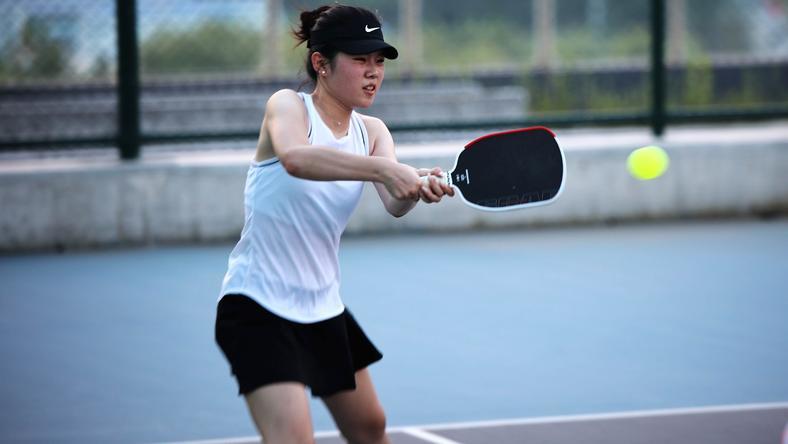
One ordinary afternoon, I stepped onto a small court in Beijing to try pickleball for the first time. The plastic ball bounced softly — light and harmless. Ten minutes later, I was drenched.
1. In the U.S., Pickleball Becomes a “Social Sport for Everyone”
Born in Washington State in 1965, pickleball started as a casual pastime for retirees. Today, it’s a nationwide obsession with over 48 million players in 2023 — a tenfold increase in five years.
From Silicon Valley CEOs to Hollywood stars, everyone is picking up the paddle.
Its charm? Low barrier, high fun, strong connection.
2. In China: From Curiosity to Cult Following
The pickleball boom arrived in China a bit later — but it’s accelerating fast.
Online searches for “匹克球” surged 300% in 2024, while equipment sales jumped eightfold. Badminton courts are being converted into pickleball zones, yet supply still lags behind.
It’s no longer just “an old man’s game” — it’s becoming a young generation’s new ritual.
3. Why Young People Love It
Unlike the solitude of jogging or the pressure of gyms, pickleball offers a sense of “social ease.”
It’s light, fun, and inclusive — no intense competition, no score anxiety.
Just laughter, movement, and connection.
4. A New Kind of Movement
Pickleball’s rise isn’t only about fitness — it’s about mindset.
In a world obsessed with “faster, stronger, higher,”
people are rediscovering the beauty of “slower, simpler, real.”
And that, perhaps, is what makes this little paddle sport so irresistible.