As one of the well-known “night owls” at Lei Technology, Lei often goes to bed around two or three in the morning. Even though he knows very well how harmful staying up late can be, he still can’t resist gaming a little longer or scrolling on his phone a bit more. Recently, he has been trying to force himself to sleep earlier, but once he lies in bed, he tosses and turns without feeling sleepy at all. It’s not exactly insomnia — it’s just that before 2–3 AM he simply can’t fall asleep.
After reading a bunch of educational articles, Lei learned that once late sleep becomes a long-term habit, the brain actually becomes more alert during the two hours before your usual bedtime. Trying to fall asleep during this “alert window” becomes extremely difficult. That’s why switching from a long-established late-sleep pattern to an early-sleep routine feels almost impossible.
Sleep-aid gadgets everywhere — but what are they actually based on?
Most sleep-aid products on the market fall into two categories: chemical-based and physical-based.
- Chemical-based products include scented candles or sprays, which use aromas to relax the brain. Results vary widely from person to person.
- Physical-based devices come in many forms: handheld sleep balls, forehead patches, ear-clip devices, and more. But their underlying mechanism is essentially the same — they deliver microcurrents at specific frequencies to encourage the brain to release neurotransmitters associated with calmness and pain relief, effectively encouraging the brain to “self-soothe.”
This method is known in academic literature as CES therapy (Cranial Electrotherapy Stimulation) — a low-intensity pulsed current that promotes the release of serotonin, GABA, endorphins, and other substances that help the brain transition into a sleep-ready state.
Some studies even claim CES increases alpha waves (associated with relaxation) and decreases beta waves (associated with alertness). In short, the theory behind CES is valid, and CES is approved as a non-addictive insomnia treatment.
However, Lei also found research showing that CES hasn’t performed particularly well in large-scale randomized controlled trials. Results are inconsistent, and effectiveness varies by individual. CES appears more helpful for people whose sleep problems are linked to anxiety or depression, and less so for other types of insomnia.
Since CES isn’t pure pseudoscience, Lei decided to test it himself. He bought two sleep-aid devices from JD.com:
- a 44 RMB sleep ball
- a 1734 RMB premium sleep machine
The price difference is almost 40x — but would the results differ just as dramatically?
From 40 RMB to 400 RMB — is the sleep ball just a waste of money?
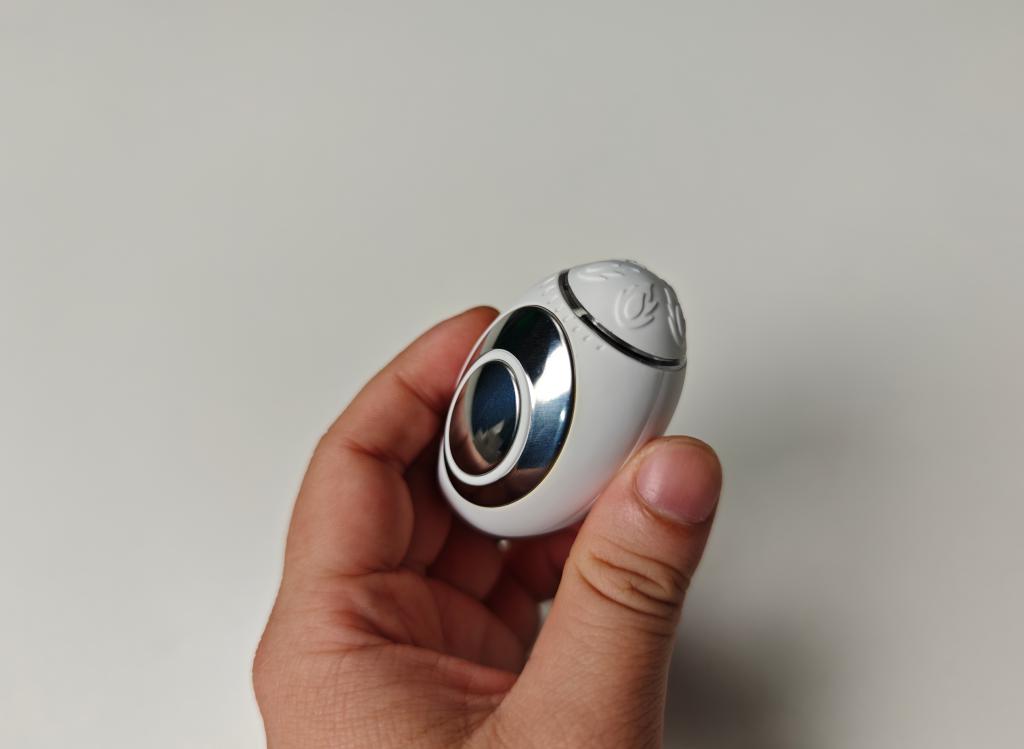
The 44 RMB sleep ball looks cheap — essentially a plastic shell with a stainless steel ring. To use it, you must press your palm against the metal so the microcurrent can pass through your fingers.
Because the current must travel from the hand to the brain, the electric sensation is actually quite strong, similar to a low-frequency muscle-relief device. Operation is simple: grip the ball, rotate the dial to adjust intensity, and press a side button to switch between low- and high-frequency modes.
Following the instructions, Lei started with the lowest setting. He fell asleep before the device automatically shut off (20 minutes).
According to his smartwatch:
- Total sleep: 6 hours 17 minutes
- Deep sleep: 57 minutes (low)
- Light sleep: 4 hours 11 minutes (high)
- Awakenings: 6
For comparison, he found a night with a similar bedtime but without the sleep ball:
- Total sleep: 6 hours 55 minutes
- Deep sleep: 1 hour 27 minutes (significantly better)
- Awakenings: 7
From this single-night comparison, the sleep ball did not improve sleep quality.
Lei’s research also revealed that CES is typically applied near the brain — on the earlobes or forehead. There’s very little evidence supporting the effectiveness of current administered through the hands.
On JD.com, sleep balls range from 44 to over 400 RMB, but they are nearly identical in principle and functionality. As someone familiar with consumer electronics, Lei concluded:
The 40 RMB and 400 RMB versions are essentially the same. Paying 400 RMB is basically a rip-off.
The 1734 RMB “deep sleep device” — expensive, but does it work?
This premium device provides a dramatically different unboxing experience, including multiple accessories and even a one-on-one “sleep coach” to create personalized sleep plans.
Beyond CES, the device includes sleep music, guided meditation, usage tracking, and built-in sleep monitoring — which the company claims is more accurate than smartwatches. Wearing a headband while sleeping is not exactly comfortable, but the system doesn’t require you to keep it on the whole night.
According to the manual:
- You can use it before bed and remove it afterwards
- You may also fall asleep while using it
- The device combines CES with music therapy and guided relaxation
Lei tested it for three nights.
Night 1 — Sleeping with the device on
- Sleep onset: 2:19
- Deep sleep: 17% (still low)
- Awakenings: 3 (significantly reduced)
Night 2 — Without the device
- Sleep onset: 2:27
- Deep sleep: 17%
- Awakenings: 10 (worse)
So while deep sleep didn’t improve much, the number of awakenings changed dramatically.
Night 3 — Following the full recommended routine
(20 minutes in the daytime + 30–60 minutes before bed)
- Awakenings: 3
- Awakening time: only 6 minutes
- Sleep came noticeably faster, despite a later bedtime
In summary:
The expensive device genuinely helped, especially in reducing nighttime awakenings and helping Lei fall asleep faster.
But part of the effect may come from:
- white noise drawing attention away from intrusive thoughts
- the psychological reinforcement of “wearing a sleep-aid device”
Sleep-aid devices aren’t scams — but they’re not miracle tools either
After testing both products, Lei reached these conclusions:
- CES-based devices are theoretically valid
- The cheap sleep ball: limited effectiveness
- The high-end CES device: noticeable improvements
- The mid-range CES ear-clip devices (300–400 RMB) likely work too, but without extra services like music or coaching
In essence:
Sleep-aid devices aren’t pure scams — but they’re far from magical.
If your goal is simply to shift your internal clock earlier, CES can help.
But if you're experiencing clear signs of sleep disorders — such as chronically low deep sleep, frequent awakenings, or weeks of difficulty falling asleep — then no gadget will replace medical attention. Seeking professional help is the correct solution.