Japan’s innovative Science Corporation, widely recognized for its Fine Bubble nano-technology, first showcased a striking prototype of a “bath machine of the future” at the Osaka Expo this past April. With a sleek cockpit-inspired form and a transparent rear-opening canopy, it generated massive queues of curious visitors eager to step inside and try it for themselves.
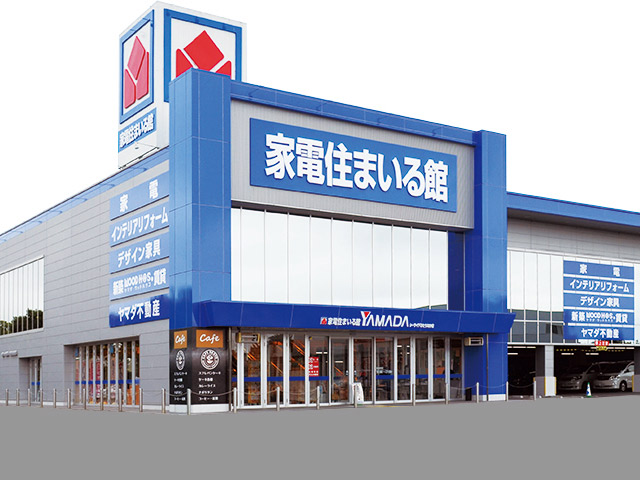
On November 26, Yamada Holdings (HD) announced that this futuristic bathing system will officially go on sale in late December at the flagship “LABI Ikebukuro Main Store” in Tokyo’s Toshima district, where an experience zone will also be installed for customer demonstrations.
Science spokesperson Yukiko Maekura confirmed on November 28 that the machine is now commercially available in Japan, priced at an astonishing 60 million yen (approximately 2.72 million RMB). Maekura emphasized that its exclusivity is part of the appeal, with the company planning to produce only around 50 units.
Back in October, Japanese media reported that Science originally had no intention of mass-producing the device. It was conceived purely as a one-off exhibit for the Osaka Expo, costing about 100 million yen (around 4.53 million RMB) to build. However, the overwhelming public interest led to a change in business strategy. Soon after showcasing it, Science received requests from hotels, inns, and leisure facilities, prompting the signing of six confirmed orders even before production officially began.
The bathing machine uses the same nano-bubble technology found in Science’s premium water systems. A user lies comfortably inside a 2.3-meter capsule, where the machine automatically fills with warm water and releases millions of micro-bubbles to cleanse the entire body. In just 15 minutes, it completes a full wash-and-dry cycle.
During the session, sensors positioned beneath the user’s back monitor real-time health conditions. Using AI algorithms, the machine automatically adjusts water temperature, interprets emotional state, projects visual scenes on the transparent canopy, and plays music for relaxation.
The system offers three immersive environment modes: a four-seasons Japanese garden, a deep-sea ocean world, and an aerial bird’s-eye panorama — all intended to elevate the sensory experience and promote mental calm.
The product’s concept draws inspiration from the “ultrasonic bath” exhibited at the 1970 Osaka Expo. The current chairman of Science was deeply influenced by seeing that display as a child, and decades later, that memory ultimately inspired the development of this modern AI-driven bathing capsule. In a country where 29.1% of the population is elderly, this technology also arrives at a meaningful time — offering new bathing assistance and comfort for individuals with reduced mobility.