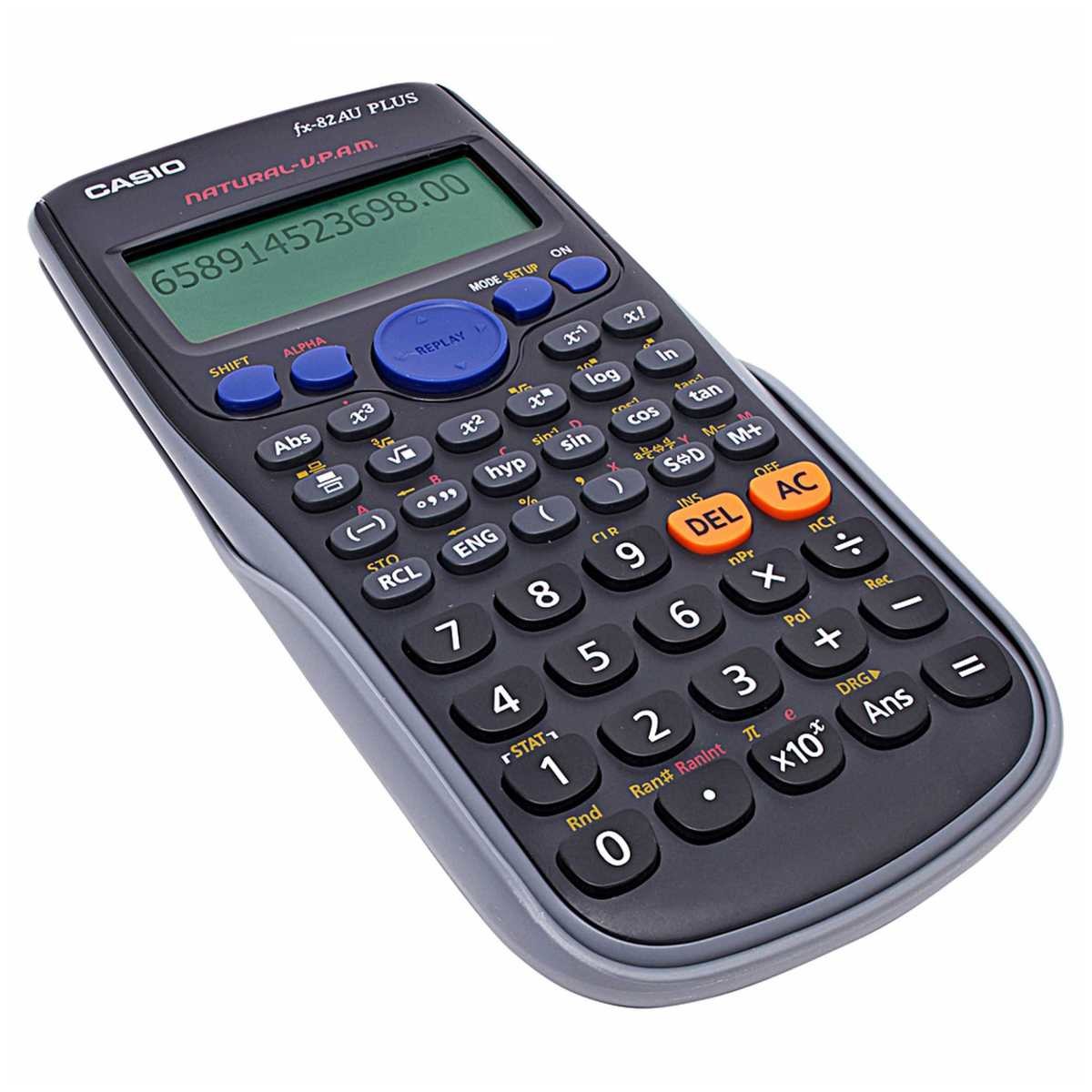
Surprisingly, the global calculator market is still very much alive—especially in countries where electricity supply and internet connectivity remain unstable. Despite the rise of smartphones, AI, and advanced digital tools, calculators continue to play a vital role in everyday life for millions of users around the world.
Casio’s Senior General Manager of the Education Division, Tomoaki Sato, emphasized that calculators remain the gold standard for accurate mathematical computation. Unlike chatbots that may occasionally “hallucinate,” calculators are designed to deliver precise and reliable results every time. While personal calculators for business use have largely been replaced by smartphones and web-based tools, AI models have now even reached a level where they can compete with humans in international mathematics competitions.
Even as overall market demand gradually declines, Casio continues to produce and sell calculators on a massive scale. In the fiscal year ending March 2025, the Japanese company sold an impressive 39 million basic and scientific calculators across 100 countries worldwide. By comparison, Casio sold 45 million units during the 2019–2020 fiscal year, while the COVID-19 pandemic temporarily pushed sales down to 31 million units.
Founded in 1946 by Tadao Kashio, Casio entered the global spotlight a decade later with the launch of the Model 14-A, the world’s first all-electronic desktop calculator powered by relay technology. In recent years, the company has also revived one of its most iconic products—the Casio Mini—introducing a modern reissue of the personal calculator that originally debuted in 1972. Back then, its compact size and affordable price quickly made it a household favorite.
According to Ryohei Saito, Managing Director of Casio Thailand, calculators remain especially popular in regions where smartphone connectivity is unreliable. These devices are purpose-built tools, highly optimized for specific functions and mathematical rules, making them indispensable in both education and professional settings.
Another key advantage lies in affordability. Calculators cost far less than smartphones, not to mention desktop or laptop computers. Many models operate on simple batteries or solar power, a critical feature in developing regions. Sato confirmed that Casio is actively focusing on these markets to unlock new long-term growth opportunities.
For students and professionals who still rely on calculators, one of the most valued benefits is tactile speed and responsiveness. Reliable, task-focused, and affordable, calculators continue to hold lasting value—often outperforming many other technologies people have used since their school days.