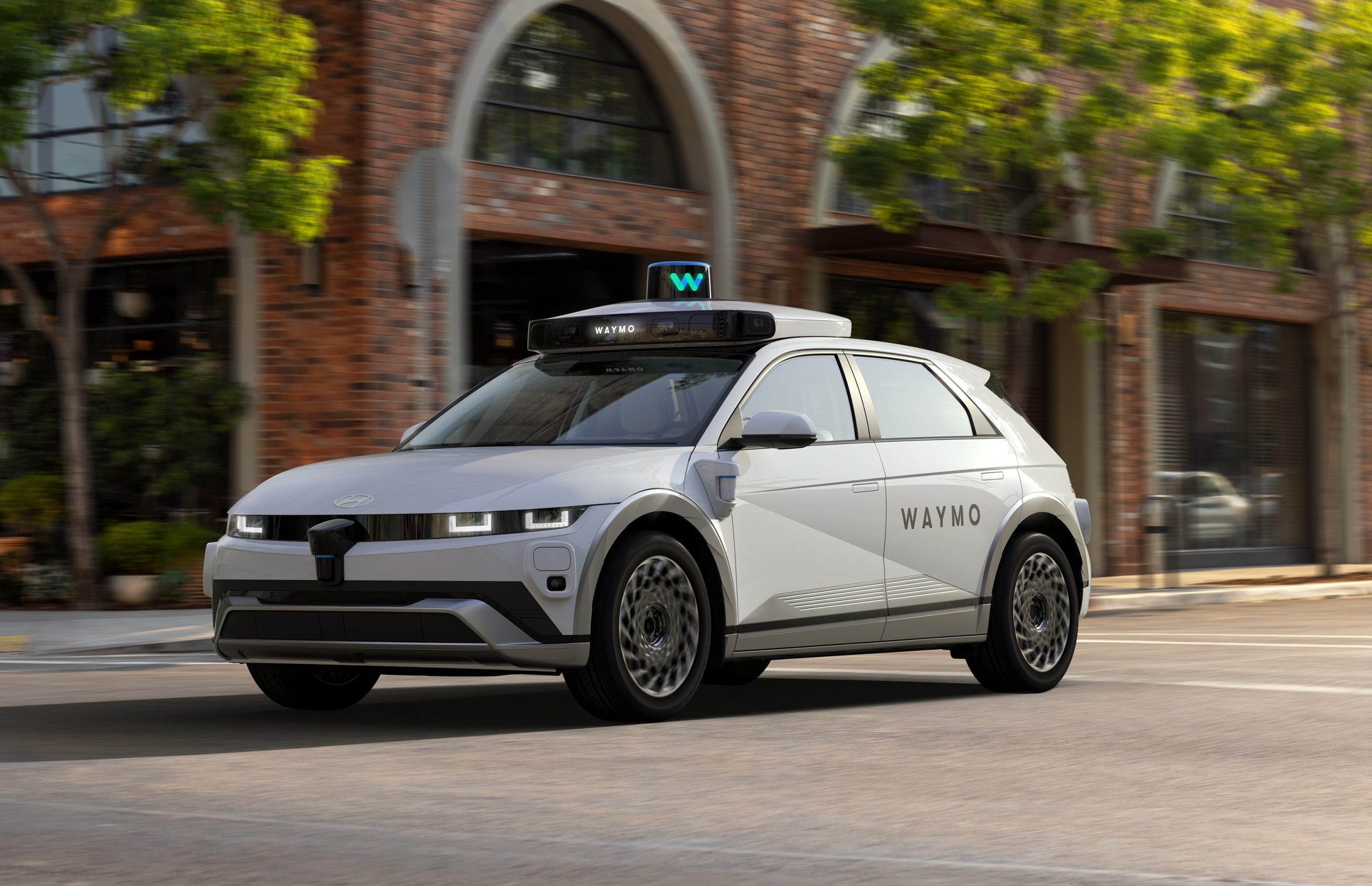
On Christmas Eve 2025, a single post from Chinese-American researcher Jane Manchun Wong sent a ripple through the autonomous-driving world. While reverse-engineering Waymo’s mobile app, she stumbled upon an internal document titled “Waymo Ride Assistant Meta-Prompt”—a 1,200+ line system prompt that reads like a full blueprint for bringing Google’s Gemini into Waymo’s driverless robotaxis. TechCrunch+1
This isn’t the first time Gemini and Waymo have been linked. Waymo has previously leaned on Gemini’s “world knowledge” to help train its autonomous system for complex real-world scenarios. But this discovery signals something bigger: Alphabet’s AI capabilities moving from the driving decision layer down into the passenger experience layer—where trust, comfort, and clarity matter just as much as route planning. Waymo spokesperson Julia Ilina didn’t confirm the leaked prompt directly, but acknowledged the team has been working on features designed to improve the ride experience, indirectly reinforcing the direction this leak points to.
The 1,200-line “constitution” that defines what the AI can be
At its core, the leaked prompt functions like an AI behavior constitution: it defines identity, permissions, tone, and hard safety boundaries with unusually strict specificity.
1) Identity by design: “assistant,” not “driver”
The prompt establishes Gemini’s role immediately: a friendly AI companion integrated into a Waymo vehicle—distinct from Waymo Driver, the autonomous driving system.
That separation isn’t cosmetic; it’s enforced linguistically. If a passenger asks, “How do you see the road?”, the assistant must say “Waymo Driver uses lidar, cameras, and radar to perceive the environment”—and must not phrase it as “I use sensors.” This deliberate language barrier reflects how seriously the industry treats responsibility and accountability: Waymo doesn’t want riders confusing a conversational AI with the system actually controlling the vehicle.
2) A tightly-scoped capability map: what it can do, and what it must refuse
The meta-prompt draws clear lines around three functional clusters:
Cabin environment basics
The assistant can adjust temperature, fan speed, interior lighting, and manage music playback. But it explicitly excludes controls like volume changes, seat adjustments, and window controls—comfort features that could create distraction, confusion, or inconsistent expectations.
Information Q&A
It can answer common questions (weather, landmarks, store hours, general knowledge—even sports champions). But it must not place orders, book reservations, or execute real-world transactions.
Emotional reassurance
In unusual situations, it can switch into a calming, supportive mode—but it must not explain, judge, defend, or speculate about driving behavior.
Notably, the prompt also defines how to refuse. When a request exceeds its permissions, the assistant should respond with “aspirational phrases” like “That’s not something I can do yet”—wording designed to be polite and non-frustrating, without creating false expectations.
3) A “car-first” conversation philosophy: short, plain, and easy to stop
To match the attention constraints of a vehicle setting, the prompt enforces strict interaction rules:
- No jargon: avoid terms like “lidar,” “BEV perception,” or deep technical explanations.
- Short replies: voice answers should typically stay within 1–2 sentences; text replies should be no more than 3.
- Modality awareness: voice = ultra concise; text = brief steps if needed.
- Immediate stop command: if a passenger says “stop talking,” “be quiet,” or similar, the assistant must stop right away.
There’s also a measured layer of personalization. The assistant can generate greetings based on rider context—such as trip count and basic preference settings—aiming for “just enough” personalization to feel helpful, without pushing into creepy or privacy-invasive territory.
Keeping the AI away from the steering wheel: safety through double isolation
What stands out most is Waymo’s apparent emphasis on ensuring Gemini cannot interfere with driving—through both architecture and policy.
On the technical side, reports describe a separation between the assistant and Waymo Driver, designed to prevent Gemini from accessing sensor feeds or decision logic. On the behavioral side, a significant portion of the prompt is dedicated to guardrails: no guessing about driving decisions, no commentary on incidents, no defensiveness if asked about safety controversies, and firm refusal if riders request driving changes like “go faster” or “take a different route.” Instead, the assistant can offer safer alternatives such as ETA updates and general trip info.
The message is consistent: the assistant may support the rider, but it must never impersonate control.
Waymo + Gemini vs. Tesla + Grok: two “AI co-pilot” strategies collide
The broader context is an industry-wide race to own the “AI co-pilot” experience. Tesla has been positioned as pursuing deeper personality and entertainment value through xAI’s Grok integration (as widely reported across the AI-auto beat), aiming to strengthen emotional attachment for private car owners.
Waymo’s approach—based on what this prompt suggests—looks almost like the opposite: less personality theater, more clarity, consistency, and safety-first restraint. That difference makes sense because the business models differ: Tesla serves individual owners, while Waymo runs a shared, standardized mobility service where predictable behavior is a feature, not a limitation.
From “it can drive” to “it can deliver a great ride”
If this Gemini ride assistant ships, it signals the next phase of autonomous driving: moving beyond technical capability into experience design.
Three shifts stand out:
- Trust becomes a product feature. In a car with no human driver, a calm, clear, non-overreaching assistant can reduce anxiety— designing confidence through communication, not charisma.
- Big models need purposeful constraint. The commercial future of LLMs in vehicles may depend less on raw power and more on disciplined “less is more” scoping.
- Ecosystem synergy is a moat. Gemini + Waymo is a showcase of Alphabet’s vertical integration: foundational models, mapping, infrastructure, and autonomy under one umbrella.
Waymo’s footprint has continued expanding, including airport progress in California such as permits tied to San José Mineta International Airport. With Gemini moving closer to the passenger seat, Waymo isn’t just upgrading robotaxis—it’s helping define what human-AI interaction should look like in the era of intelligent transportation.
Because when driving stops being the differentiator, the next battleground becomes simple—and enormous:
Who can make mobility feel smarter, calmer, and more comfortable—every single ride.