By 2025, the AI device market has crystallized around two major consensuses.
First, AI glasses have become a clear, high-certainty track. Ray-Ban Meta shipments surpassed 4 million units annually, while Chinese players like Xiaomi and Quark reportedly crossed the 100,000 mark. Industry insiders estimate Meta’s 2026 supply-chain demand could reach 10 million units, with dozens of companies lining up to enter the space.
Second, China’s dark horse Plaud has shipped over one million AI devices overseas.
But is AI hardware really limited to glasses?
Beyond glasses, 2025 has seen experiments in AI toys, rings, necklaces, and smart mirrors. Most notably, OpenAI’s secret hardware project reportedly centers on a camera-equipped earphone.
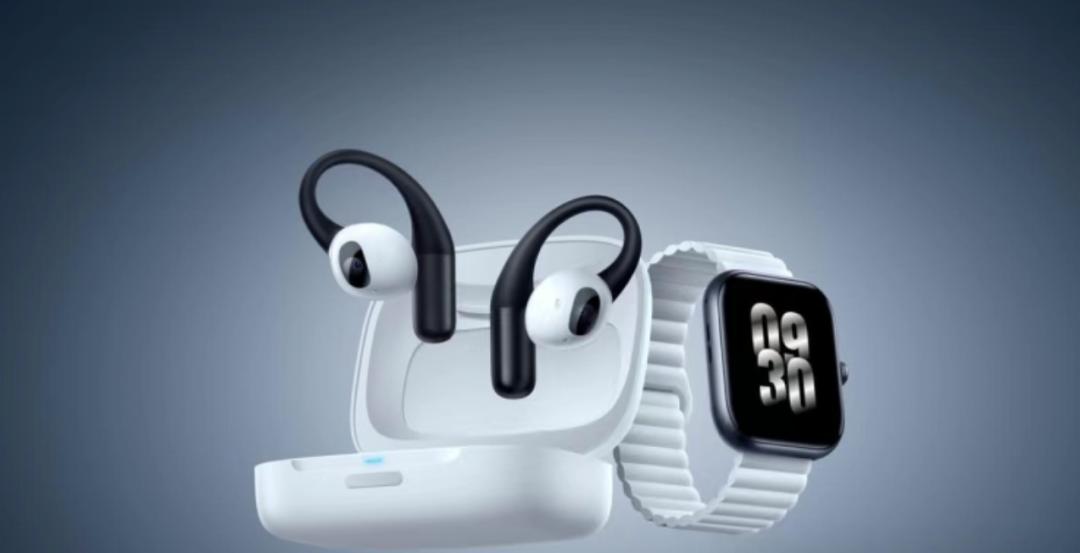
China’s Lightwear AI, developed by startup Guangfan Technology, embodies this vision: an open-ear AI earphone paired with a smartwatch, designed as an always-on, proactive AI assistant. Voice-activated tasks—from ride-hailing to visual recognition and travel planning—can be completed without touching a phone.
The ambition is bold: to break free from smartphones and become a standalone AI terminal.
But is this innovation—or just a gimmick?
The logic is clear. Earphones offer higher wearability than glasses, while a low-resolution camera gives AI “eyes” for environmental understanding. With cloud-based computation and on-device interaction, privacy-conscious designs like “capture-and-delete” are emerging.
Yet challenges remain. From past failures like Rabbit R1 and Humane AI Pin to paused projects from high-profile founders, AI hardware has proven brutally difficult.
As giants like Meta, Google, OpenAI, and ByteDance race toward the elusive “next iPhone moment,” one truth stands out:
This is an era of all-out competition—and the real winners have yet to be decided.