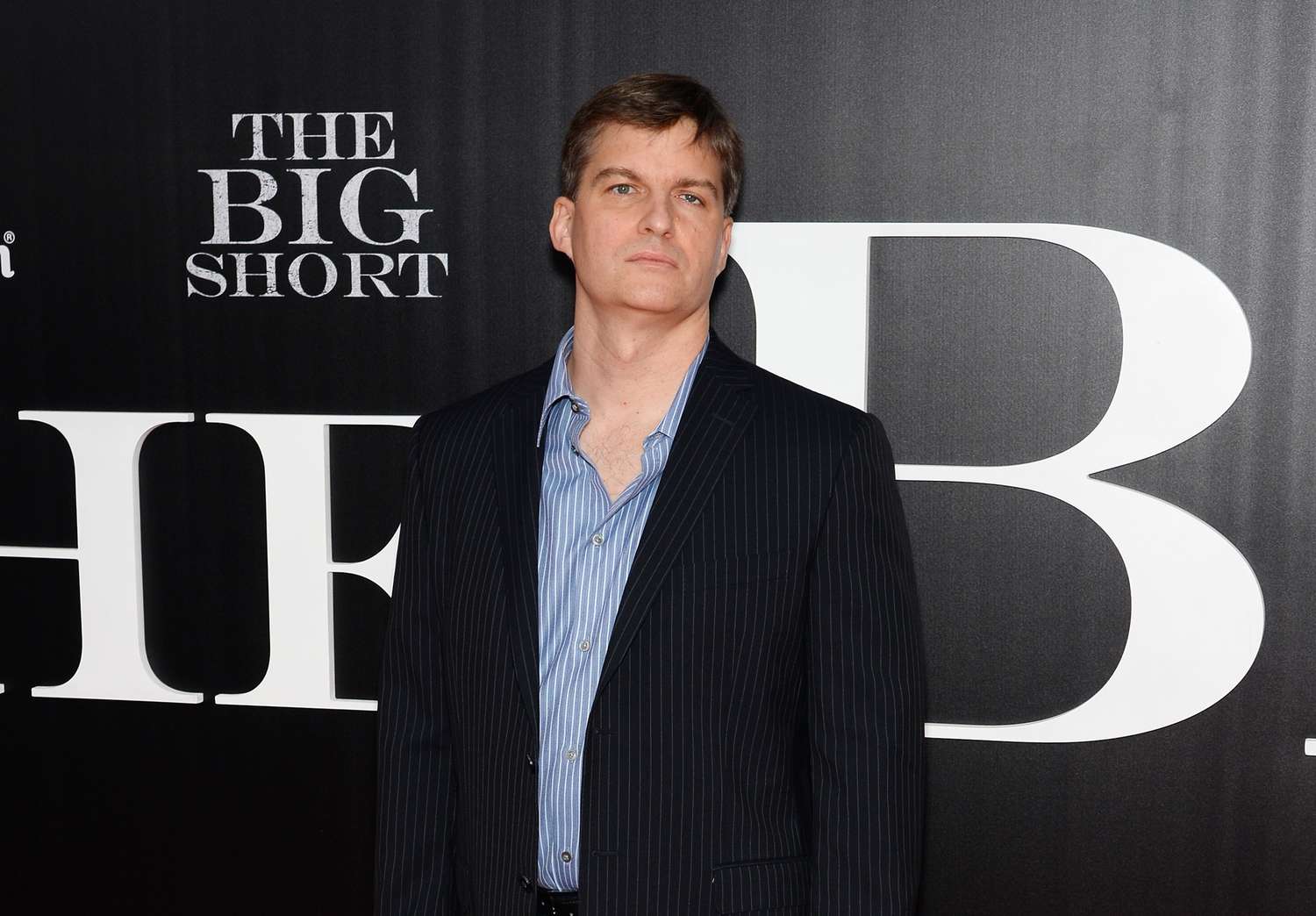
Michael Burry—the investor made famous by The Big Short—revealed in a Substack post published after Friday’s market close that he holds put options on Oracle and has also been short the company outright over the past six months. Burry has previously disclosed bearish positions against Nvidia and Palantir, and his latest move adds weight to his view that AI-related valuations have become overheated and increasingly bubble-like.
In the post, Burry took direct aim at Oracle’s current strategic direction and what he sees as an overly aggressive investment posture. In his view, the long-established database software company is chasing the AI spotlight through heavy, capital-intensive expansion that may be unnecessary—particularly as it tries to compete with cloud giants like Amazon and Microsoft via costly data-center buildouts.
Responding to readers, Burry was especially blunt about Oracle’s approach: he said he doesn’t like the company’s positioning, and he doesn’t like the investments it is making. He argued Oracle doesn’t need to be doing what it’s doing right now, and questioned the motivation—suggesting it may even be driven by “ego.”
A “pure AI bubble” vehicle
At the core of Burry’s short thesis is the belief that Oracle lacks the kind of cushion enjoyed by other mega-cap tech players, making it a more fragile target—what he characterizes as a “pure AI bubble” vehicle.
He explained that when you short companies like Microsoft, Alphabet (Google’s parent), or Meta, you’re effectively betting against powerful, diversified businesses with deep moats. Even if AI investments disappoint, those firms can remain dominant thanks to their core profit engines.
Burry’s point is that these companies aren’t “pure” AI shorts. Their valuations are supported by multiple enduring pillars—search, advertising, productivity software, platforms, and other long-standing franchises.
By contrast, he argues Oracle’s current stock narrative leans heavily on a single storyline: a surge in AI-driven cloud demand. Burry suggests that companies like Microsoft and Google can, over time, rein in spending, absorb overcapacity, take write-downs if needed, and still protect their core profitability. Oracle, however, is attempting a higher-risk pivot while carrying substantial debt—leaving far less room for error if AI demand fails to meet expectations.
That framing also lands in a market already sensitive to Oracle’s volatility. The stock has swung sharply over the past year: it once soared on enthusiasm tied to AI-cloud growth expectations, but later retreated as investors focused more on rising capital expenditures and expanding leverage. Burry’s public stance is likely to intensify the debate over whether Oracle’s “levered bet on the future” is sustainable.
Debt concerns behind an aggressive transformation
Burry’s skepticism extends beyond narrative and into the balance sheet. Oracle’s ramping capital spending and a deteriorating leverage profile are key pillars of his bearish view.
As Oracle tries to evolve from a traditional database software provider into a cloud infrastructure competitor to AWS and Azure, it has poured tens of billions of dollars into building data centers and securing advanced chips. This shift from a relatively asset-light model to a heavy-asset approach, Burry argues, increases financial strain and raises the stakes of the company’s transformation.
According to Bloomberg data cited in the report, Oracle has roughly $95 billion in outstanding debt, placing it among the largest non-financial corporate bond issuers in Bloomberg’s high-grade index universe. While markets briefly celebrated Oracle’s upbeat cloud forecasts, investor enthusiasm has cooled as CapEx continues climbing and questions surface around deal structures and debt growth.
From Burry’s perspective, this is the vulnerability: expansion fueled by debt can look especially risky in a higher-rate environment or during an industry downturn. He views it as a bet Oracle doesn’t need to be making—one that could punish the company if growth assumptions prove too optimistic.
Extending his broader pushback on the AI boom
Burry’s Oracle short fits into a wider posture: sustained skepticism toward the pace, economics, and pricing of today’s AI buildout.
In his post, he reiterated doubts about whether the current infrastructure spending cycle can justify its cost, and he added that if OpenAI’s valuation were to reach $500 billion, he would consider shorting it as well—reflecting his belief that mispricing and unsustainable exuberance are widespread across the AI trade.
On Nvidia—one of his prior targets—Burry described it as the most concentrated way to express a bearish AI view. He argued that Nvidia is widely loved and relatively lightly questioned by the market, which can make bearish positioning comparatively inexpensive through options versus other, more heavily scrutinized short candidates.
He has also previously criticized Tesla’s valuation and compensation-related issues, reinforcing that his concerns are not limited to a single company, but to broader pockets of what he sees as extreme pricing.
As of publication, Oracle had not publicly responded to Burry’s comments or his disclosed short position.