(Jakarta, Jan 29)
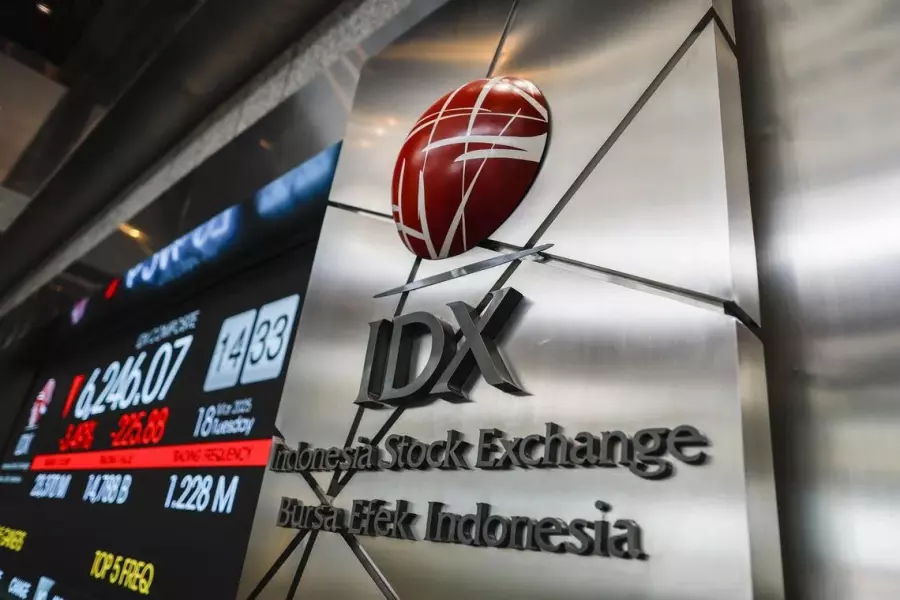
Indonesia’s stock market triggered another circuit breaker on Wednesday (Jan 29) as heavy selling resumed at the open, extending losses from the previous session.
Shortly after trading began, the Jakarta Composite Index plunged as much as 8%, prompting the exchange to halt trading temporarily. At 9:30 a.m. local time, the Indonesia Stock Exchange suspended trading and announced it would resume at 9:56 a.m. Central Indonesia Time, with no changes to the day’s trading schedule.
After trading resumed, selling pressure persisted. As of 12:50 p.m. Malaysia time, the Jakarta Composite Index stood at 7,781.41, down 539.14 points or 6.48%.
The sharp equity selloff was accompanied by weakness in the rupiah, which fell about 0.5% against the U.S. dollar—its largest daily decline since October—trading at around 16,795.85 per dollar.
MSCI warning rattles investors
The latest selloff was triggered by a strongly worded warning from MSCI, reigniting foreign investors’ concerns over the attractiveness of Indonesian equities.
In a statement, MSCI highlighted long-standing structural issues in Indonesia’s market, including low free-float levels, concentrated ownership among a small group of shareholders, and limited liquidity.
MSCI said it would temporarily freeze adjustments to the Jakarta Composite Index due to ongoing concerns over free-float availability and overall market accessibility. It warned that if no meaningful improvements are made before May, Indonesia could face a downgrade from its Emerging Markets classification.
Responding to the warning, I Gede Nyoman Yetna, head of listings at the Indonesia Stock Exchange, said the exchange is committed to addressing MSCI’s transparency concerns and will work closely with the index provider to reach common ground. He added that the exchange plans to consult market participants on appropriate free-float thresholds and will collaborate with the central securities depository (KSEI) to provide clearer data on shareholder structures.