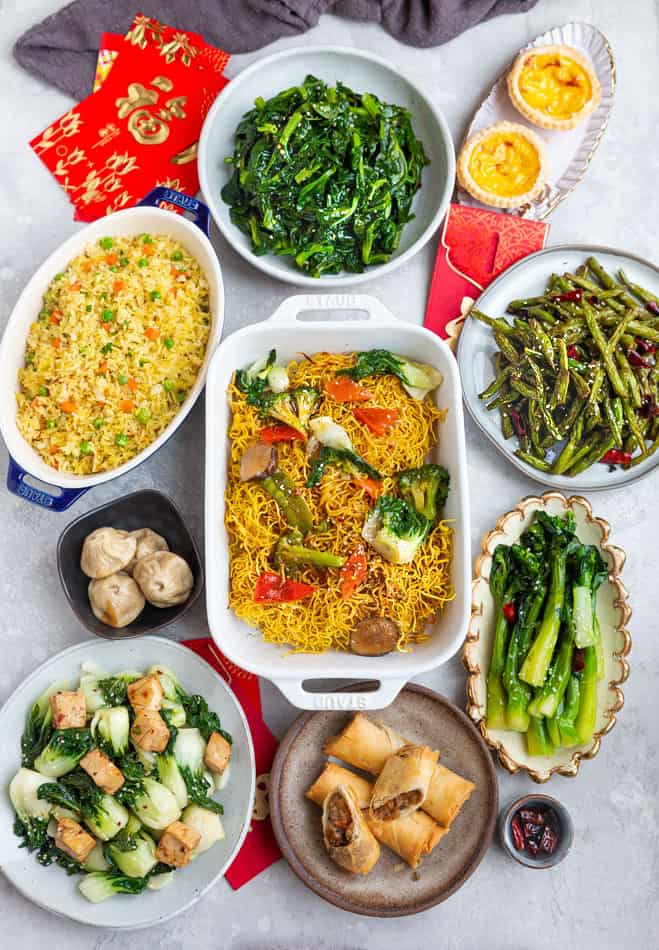
As the Lunar New Year approaches, conversations around the reunion dinner are heating up.
“Besides everyday home-style dishes, I really want to add a few signature banquet dishes to this year’s New Year’s Eve dinner,” said Yang Jin, a post-90s consumer currently preparing for the holiday, in an interview with Blue Whale News. “When I went to the supermarket, I noticed many newly launched New Year dishes—Buddha Jumps Over the Wall, lion’s head meatballs, steamed lamb with rice flour, sweet-and-sour mandarin fish. There’s no complicated cooking involved; you just heat them up and they’re ready to serve.”
When asked whether he was concerned about these dishes being prepared foods, Yang was candid. “If you want to enjoy these dishes together with family during the reunion dinner, my cooking skills are limited. These ‘big dishes’ are complicated and time-consuming to make from scratch, so prepared foods are a practical compromise. I can still cook stir-fries and cold dishes at home myself.”
Post-90s Take the Lead at the Reunion Table
“For our family of three, New Year’s Eve dinner used to be exhausting—from buying groceries and prepping ingredients to cooking, cleaning up, and then visiting relatives nonstop. By the end of the holidays, you’d be completely worn out,” said Ms. Wu from Shandong. “This year, we’re planning to buy prepared New Year dish sets in advance. A simple reheat or quick stir-fry saves a huge amount of time.”
Ms. Zhang from Guangdong shared a similar plan. “I’m thinking of getting individual portions of Buddha Jumps Over the Wall—each served in its own bowl, which looks great on the table. We’ll also pre-order our family’s favorite poon choi. At home, I’ll add some blanched prawns and sautéed vegetables. That way, the dinner feels abundant without taking too much time, and we get to spend more quality time together.”
Although acceptance of prepared dishes at reunion dinners has clearly risen, some consumers remain conflicted. “I usually can’t stand prepared foods, yet here I am serving them during the New Year,” one consumer remarked, half-jokingly.
In reality, the growing acceptance of prepared New Year dishes is closely tied to the rise of post-90s consumers as the new “hosts” of reunion dinners. Compared with older generations, younger hosts often have less cooking experience, tighter schedules, and a higher willingness to embrace new products. According to the latest 2026 China New Year Dishes Market Survey released by iiMedia Consulting, young consumers have become the main purchasing force in the New Year dishes market, with post-90s accounting for more than half.
Survey data shows that when purchasing New Year dishes, 44.70% of consumers prioritize convenience, 43.07% focus on food safety certifications, and 41.58% pay attention to nutritional balance. More than half of consumers also prefer dishes that preserve an “original, authentic flavor.”
An iiMedia analyst noted that current demand for New Year dishes reflects a dual trend: efficiency-driven choices alongside a return to traditional flavors. Consumers want time-saving convenience and reliable quality, while still valuing authenticity, festive ritual, and classic tastes.
Supermarkets Compete on Quality, Not Just Price
On February 6, China released its first draft of the National Food Safety Standard for Prepared Dishes, clearly prohibiting the addition of preservatives. As the holiday season approaches, major retailers are shifting away from price wars and toward higher-quality offerings and “clean-label” positioning to win consumer trust.
Recent visits by Blue Whale News found that retailers including Sam’s Club, Dingdong Maicai, ALDI, Hema, and Walmart have all rolled out extensive seasonal New Year dish selections. Sam’s Club has focused on cold dishes such as smoked salmon and beef shank, while partnering with renowned chef Da Dong to introduce hearty dishes like braised abalone and pork trotters. Dingdong Maicai has launched premium items such as Hong Kong–style poon choi, braised river eel, and sweet-and-sour mandarin fish, as well as a limited-edition zodiac-themed steamed bun created with an intangible cultural heritage craftsman.
ALDI, known for value pricing, has set its 1.5 kg golden broth Buddha Jumps Over the Wall at RMB 139, while its ginseng-infused drunken chicken is priced at RMB 45.9 per serving.
A representative from Hema told Blue Whale News that the retailer partnered with four celebrity chefs this year to launch its “Legendary Feast” New Year series, achieving a 116% year-on-year sales increase since launch. One featured dish, Bamboo-Shoot Wrapped Eight-Treasure Pork Trotter, requires six hours of steaming and simmering and ten manual deboning steps—yet consumers only need to thaw and reheat it at home.
Research conducted by Hema shows that during the Spring Festival, each household prepares an average of 3.3 major meals. Nearly 90% of consumers prefer hometown flavors, over 80% are willing to try creative dishes, and demand for visually appealing, “photo-ready” reunion dinners is also rising.
iiMedia data further indicates that most consumers accept mid-range spending on New Year dishes. About 30.1% are willing to spend RMB 300–500, making cost-effective offerings especially attractive. In terms of shelf life, over 90% of consumers prefer products lasting between 4 and 15 days, and supermarkets remain the most important purchasing channel.
During visits in Shanghai, Blue Whale News found that many consumers also choose supermarket-prepared New Year dishes for their strong value proposition. A six-dish set including fish, shrimp, chicken, and meatballs typically costs around RMB 350 at supermarkets. In contrast, restaurant New Year’s Eve dinner reservations for similar menus usually exceed RMB 500, while premium restaurants often charge over RMB 1,000—with limited availability.
Looking at the broader market, iiMedia data shows that China’s New Year dishes market expanded from RMB 31.7 billion in 2019 to RMB 221.9 billion in 2025, and is projected to reach RMB 262.6 billion in 2026. With sustained growth ahead, semi-prepared New Year dishes are set to become a core pillar of the holiday dining landscape—alongside home cooking and chef-prepared restaurant meals.