Sun Yingsha Battles Into Semis
China has its first semifinalist in the Macau World Cup—and it didn’t come easy. World No.1 Sun Ying...

China has its first semifinalist in the Macau World Cup—and it didn’t come easy.
World No.1 Sun Yingsha battled through a grueling seven-game match to edge out 19-year-old African champion Goda, winning by just two points in the decider. It was a tense, high-pressure victory that highlighted the growing competitiveness of the sport.
Sun will now face Germany’s Winter in the semifinals for a place in the final.
Despite sending a strong lineup, Team China has shown signs of inconsistency. In earlier rounds, players like Liang Jingkun and Zhou Qihao suffered defeats to German opponents. In the knockout stage, Wang Yidi was swept 0-4 by Winter, raising concerns.
Upcoming matches will be equally challenging, with Wang Manyu and Chen Xingtong facing strong international opponents.
So why was Sun’s win so difficult?
Part of the answer lies in the rapid rise of global talent. Younger players are more fearless and aggressive, making matches less predictable. More importantly, the globalization of table tennis—driven in part by Liu Guoliang—has significantly elevated the overall level of competition.
With the expansion of WTT events, higher prize pools, and more exposure, players worldwide are improving faster than ever.
As a result, China’s long-standing dominance is being challenged.
Young stars like Miwa Harimoto, Sora Matsushima, and Felix Lebrun are rising rapidly and posing real threats.
Meanwhile, China’s transition toward a younger generation appears slower in comparison.
In short, Liu Guoliang’s vision of globalizing table tennis has come true—but it has also made the sport far more competitive.
The era of dominance is evolving into an era of fierce global rivalry.

Pacers Dominate Thunder 108-91, Force Game 7 in First NBA Finals Decider Since 2016
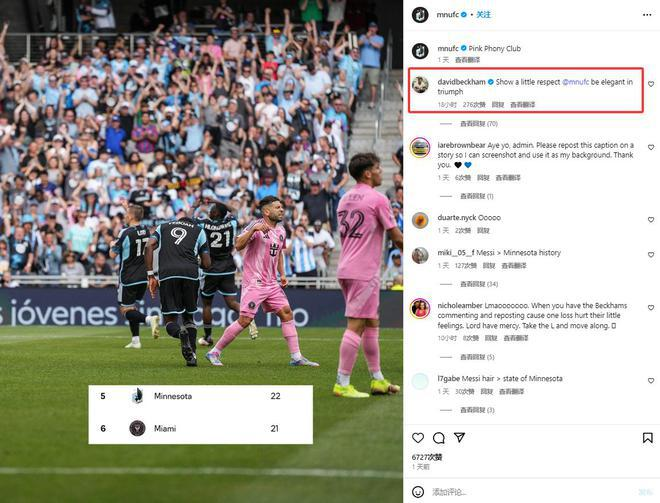
On June 20, the Indiana Pacers kept their title hopes alive with a commanding 108-91 home win over the Oklahoma City Thunder in Game 6 of the NBA Finals. With six players scoring in double figures, the Pacers tied the series 3-3 and forced a decisive Game 7—the NBA’s first Finals Game 7 in nine years.

NATO Nuclear Shift: U.S. Deploys B61-12 Bombs to RAF Lakenheath After 17 Years
On July 21, RIA Novosti and Jane’s Defence Weekly reported that the United States has redeployed several B61-12 tactical nuclear bombs to RAF Lakenheath in Suffolk—marking the first U.S. nuclear presence on British soil since 2008 and signaling a major NATO strategic adjustment in Europe.

HKEX Posts Record Half-Year Results|Net Profit Surges to HK$8.5 Billion, Global IPO Market Reclaims Top Spot
On August 20, 2025, Hong Kong Exchanges and Clearing Limited (HKEX, 0388.HK) released its interim re...
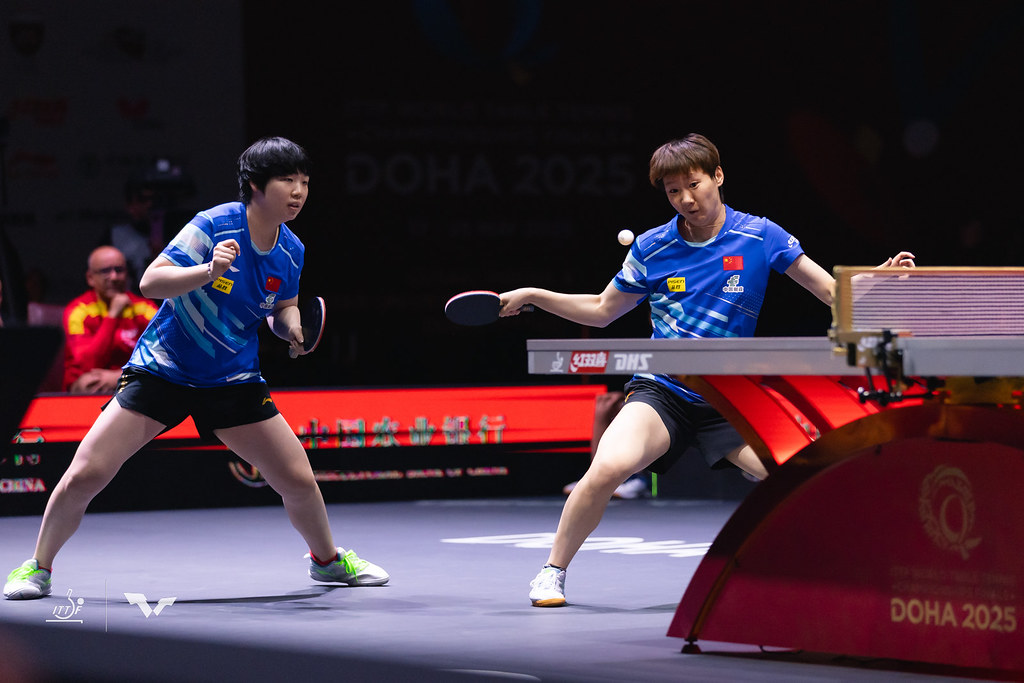
China Dominates Doubles! Wang Manyu and Kuai Man Capture Women’s Title with 14th Straight Win, Showcasing True Team Spirit
The women’s doubles final at the China Grand Slam ended in spectacular fashion as Wang Manyu and Kua...

$100 Million Budget! Tianjin Jinmen Tiger Gear Up for a Major Winter Splash with a “Strong & Powerful” Signing—Double Home Venues Next Season Set to Excite
Last season, Tianjin Jinmen Tiger once again finished sixth in the league. For a club that operates ...

€100m Star Goes Seven Games Without a Goal: Atlético Fire 15 Shots but Settle for 1 Point
In the early hours of January 22, Atlético Madrid were held to a frustrating 1–1 draw away to Galata...

The ringgit surges — who stands to benefit the most?
(KUALA LUMPUR, 26th) As the ringgit continues to strengthen against the U.S. dollar—up about 2.3% ye...
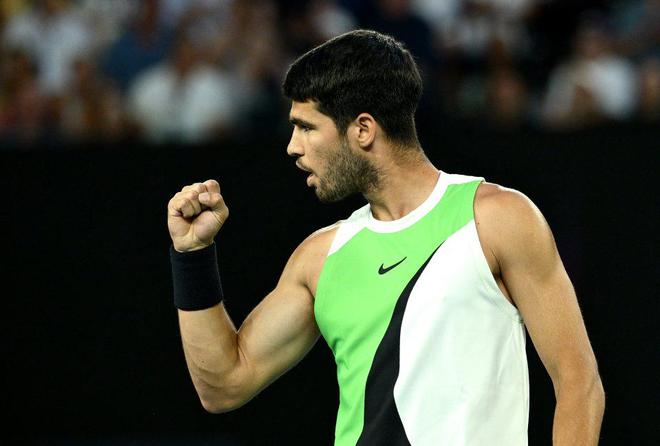
Alcaraz Unlocks Career Grand Slam Semifinals, Sweeps de Minaur to Reach First Australian Open Semifinal
On January 27, the men’s singles quarterfinals of the Australian Open continued, with top seed and w...

After Brooklyn Beckham’s “family fallout” sparks headlines, David Beckham is rumored to land a 2.8-billion-yuan fragrance deal—fueling talk that the whole family’s careers are thriving
On Jan. 30, 2026, the UK’s Mirror reported that David Beckham has secured a blockbuster fragrance de...

Malaysia’s Economy Shines—GDP Grew 6.3% in Q4 Last Year
(Putrajaya, Feb 13) Malaysia’s MADANI Government spokesperson and Communications Minister Datuk Fahm...
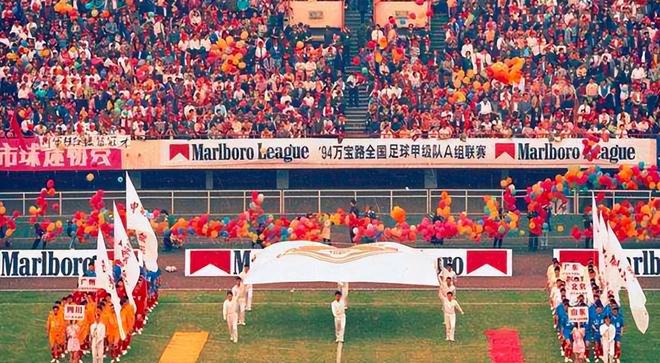
The Chinese Super League may be showing signs of recovery, but sponsor confidence remains cautious.
Over the past three seasons, the beverage arm of China Resources Group has retained title sponsorshi...