Late-night explicit WeChat messages exposed: alleged sexual harassment and coercion to wear a “dog bell” spark outrage
Workplace harassment — a recurring yet deeply disturbing issue — has once again shaken the automotiv...
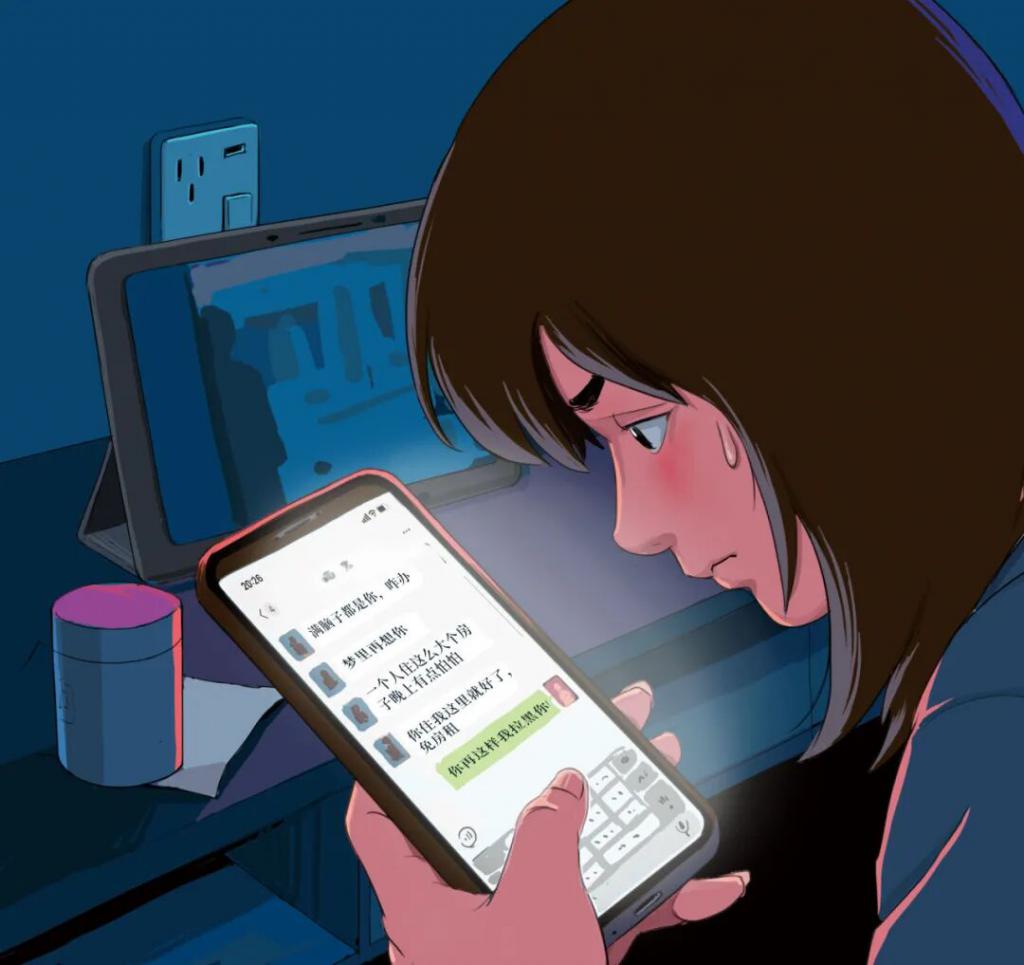
Workplace harassment — a recurring yet deeply disturbing issue — has once again shaken the automotive industry. This time, the spotlight is on Chinese automaker Chery.
The case emerged in late March 2026, when an open實名 complaint addressed to Chairman Yin Tongyue began circulating online. The whistleblower, a Gen-Z female employee from Chery’s commercial vehicle ecosystem division, accused senior executive Jiang Wenbo of sustained harassment, verbal abuse, and abuse of power.
In her statement, she wrote:
“After more than six months at the company, I suffered continuous verbal attacks and workplace harassment, leading to severe anxiety and insomnia. I no longer dare to go to work.”
According to the allegations, the misconduct went far beyond inappropriate messages and late-night calls. It included physical boundary violations in private office settings, as well as coercion through authority — using threats such as denying promotion or termination.
The report also described a toxic power dynamic, where employees were allegedly treated as personal assistants or worse, stripped of dignity under hierarchical pressure.
The complaint was internally received on March 28. Notably, Chery responded with unusual speed. On April 1, the company issued an official statement confirming that an investigation team had been formed immediately, and by March 31, the executive in question had been dismissed and his contract terminated.
From complaint to dismissal, the entire process took just three days — a rare case of rapid corporate response.
Following the decision, the company swiftly appointed a replacement to stabilize operations.
However, a deeper question remains:
How did such behavior persist within a large organization, and how did someone with such allegations continue rising through the ranks?
This is not an isolated case. Similar incidents across consulting firms and tech companies in recent years highlight a broader issue — the systemic gaps that allow abuse of power to exist beneath formal structures.
Under China’s Civil Code (Article 1010), harassment through words, actions, or abuse of authority against one’s will constitutes sexual harassment. Based on the claims, multiple thresholds appear to have been crossed.
The courage of a young employee speaking out has exposed more than an individual — it has revealed structural silence.
While the “three-day response” may be commendable, the real issue is not just how fast it was handled, but why it was allowed to happen at all.
A workplace should never be a space for unchecked power. Every voice that says “no” pushes the system closer to fairness and safety.

Superstar Signing! From “CSL Flop” to €33M Transfer: Last Season’s Golden Boot Winner Joins European Giant
Ndiaye’s remarkable turnaround is a story that feels almost unbelievable. Once dismissed in China as...
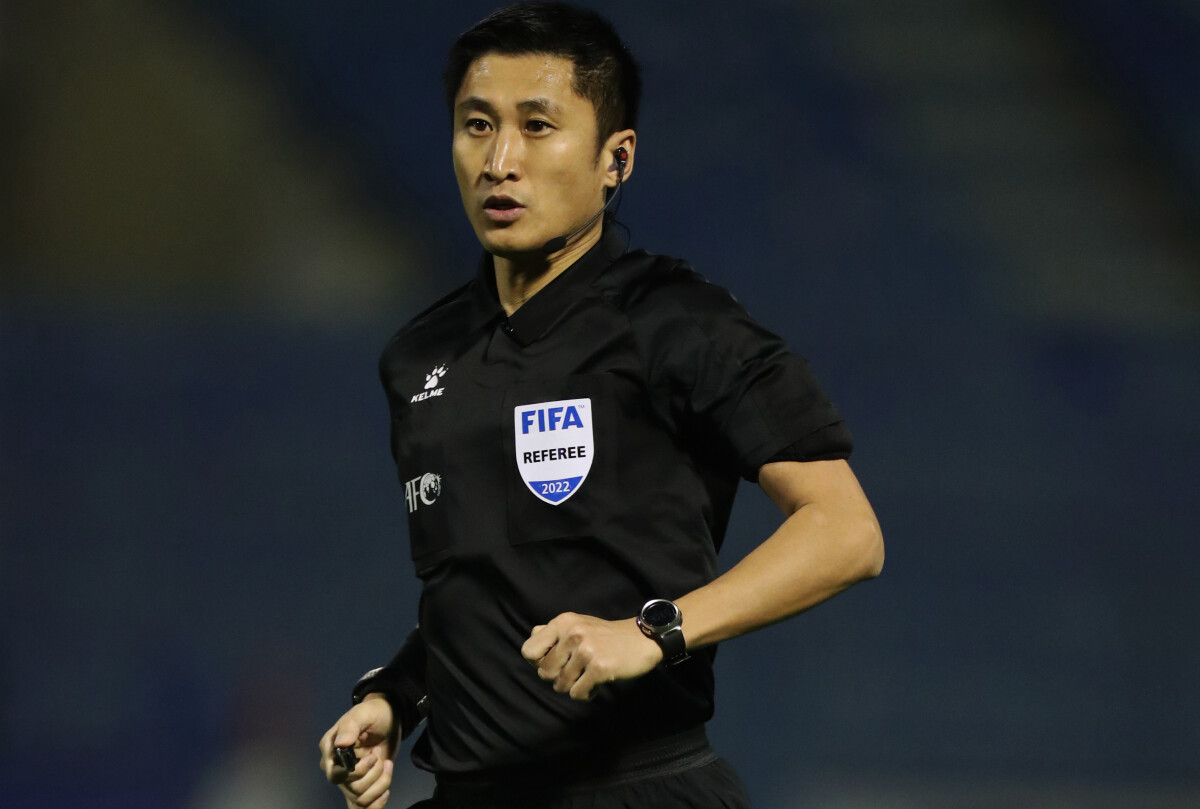
It’s Blowing Up! Indonesian Media Calls for Investigation into Ma Ning — “He’s Suspicious and Always Sparks Controversy, FIFA Must Step In!”
In a dramatic twist during the fourth stage of the Asian qualifiers for the 2026 World Cup, Indonesi...

Starting in December, a series of new regulations will come into effect and impact our daily lives
Starting in December, a series of new regulations will take effect, covering food safety, electric b...

4 Tackles, 3 Interceptions! Manchester City’s Midfield Target Shines – £100M Would Be Worth It
In the early hours of December 28, the 18th round of the 2025/26 Premier League saw Nottingham Fores...

Orient Cable Plans RMB 73 Million Purchase of 32 Properties From Sister Company for Employee Housing, Draws Regulatory Scrutiny
On January 9, Orient Cable (SH603606, share price RMB 60.9; market cap RMB 41.882 billion) issued it...

Tatum Considering Season-Long Absence, Final Decision Not Yet Made
As of January 29, the Celtics, originally expected to tank this season, have surged into the top thr...

Xiaomi Unveils 6 New Cars, Aims for 550,000 Sales in 2026
Sales Goal: In 2025, Xiaomi delivered 411,837 vehicles, up 200.9% YoY, entering the industry TOP10 f...

Jeff Bezos’ 56-Year-Old New Wife Lauren Sánchez’s “One-of-a-Kind” Private Collection Revealed: “Owning Them Means Privilege”
Recently, 62-year-old Jeff Bezos and his newlywed wife Lauren Sánchez were spotted at Paris Fashion ...
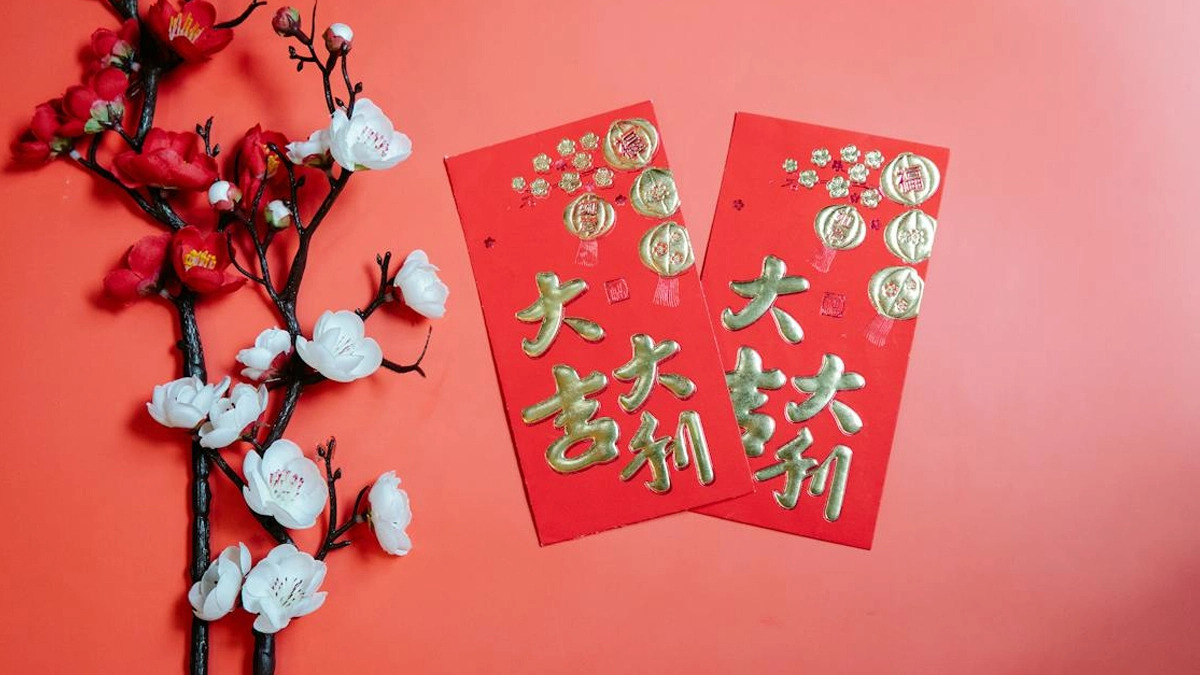
Behind the Lunar New Year Red-Envelope Frenzy, the Real Era of AI Social Networking Is Finally Beginning
The Lunar New Year red-envelope frenzy has pushed Big Tech’s AI race into overdrive. After Tencent a...

0 points, 0 rebounds, 3 fouls! Not just Xu Xin and Jiao Bochao—CBA’s top pick is also struggling under Du Feng
There is no denying that Du Feng demonstrated his coaching brilliance by leading Guangdong to three ...

Hannah Quinlivan Reveals ‘Kun’ Isn’t Her Real Surname, Says She Prefers Being Called “Hannah”
Beijing, July 28 — Hannah Quinlivan, wife of Mandopop superstar Jay Chou, recently appeared on the C...