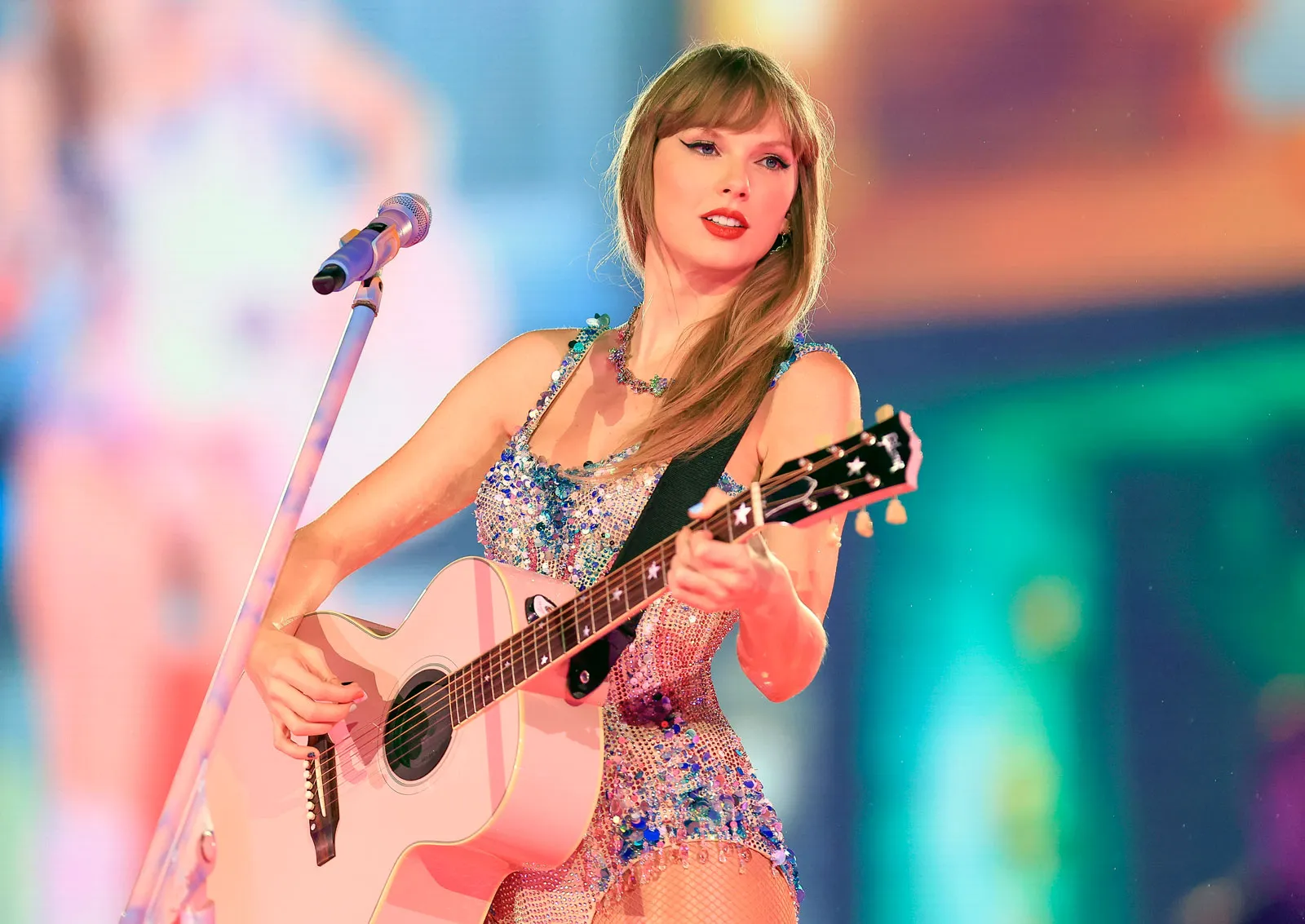
Amid the surge of generative AI content, Taylor Swift has filed an application with the United States Patent and Trademark Office to trademark her voice, aiming to strengthen legal protection over her identity. She submitted two audio clips, both beginning with “Hi, this is Taylor,” while also referencing her album The Life of a Showgirl, released in early October last year. In addition, she filed a photo of her iconic stage look—featuring a sparkling bodysuit and pink guitar.
Her voice and likeness have increasingly appeared in AI-generated deepfakes, including misleading ads, fake political endorsements, and explicit content. Trademark attorney Josh Gerben explained that this move addresses gaps in existing laws: AI can now generate convincing voice replicas without copying original recordings, leaving copyright protections insufficient, while trademarks may offer an added layer of defense.
Earlier, Matthew McConaughey took similar steps with the USPTO, submitting multiple audio and video samples to prevent unauthorized AI use of his voice. He stated in an interview that clearer boundaries for ownership, licensing, and attribution are essential in the AI era.
Although several U.S. states have passed laws targeting deepfake misuse, most focus on malicious or commercial exploitation. A notable example is the 2024 Ensuring Likeness Voice and Image Security Act (ELVIS Act). On the legal front, one high-profile case involved Scarlett Johansson, who sued an AI app in 2023 for allegedly creating and using a likeness of her without consent for advertising.