Recent films, bestselling books, and social media trends all convey a clear message: chosen solitude is not loneliness—it's a path to self-growth and inner balance.
🎬 From Perfect Days to the Rise of Solo Living
In German director Wim Wenders’ film Perfect Days, a Tokyo toilet cleaner lives almost entirely in solitude: caring for plants, listening to music, reading, and reflecting. Hailed by BBC critic Nicholas Barber as “a meditation on the serenity of a life reduced to its essence,” the film struck a chord with many.
Today, being alone is no longer seen as shameful isolation but as a valid lifestyle choice. A wave of books in 2024—including Solitude: The Science and Power of Being Alone, Solo: Building a Remarkable Life of Your Own, and Single: Living a Complete Life on Your Own Terms—is driving what some call an “aloneness awakening.”
📚 Solitude ≠ Loneliness: A Positive Mental Choice
Psychologist Robert Coplan explains that the post-pandemic fear of loneliness gave solitude a bad name. In his book The Joy of Solitude, he and colleagues emphasize that “loneliness is a painful, passive state, while solitude is a deliberate, meaningful connection with oneself.”
Emma Gannon, author of Table for One, suggests the pandemic helped us distinguish between “forced isolation” and “joyful alone time.” Her novel centers on a young woman who finds fulfillment in being alone—not with a partner.
Surveys reflect this shift: in 2023, 40% of Gen Z and millennials in the U.S. said marriage is outdated. In the U.K., only about half of Gen Z are expected to marry.
👩💼 A Feminine Awakening of Independence
Nicola Slawson’s Single points out that the number of people living alone in the U.K.—especially women—has been rising steadily. More women are realizing they don’t need to wait around for someone to complete their life.
Cynthia Zak’s The Joy of Sleeping Alone challenges the traditional idea of couples always sharing a bed. She advocates for space that allows for emotional expression, healing, and freedom.
🎨 Artistic Inspiration and the Practice of Solitude
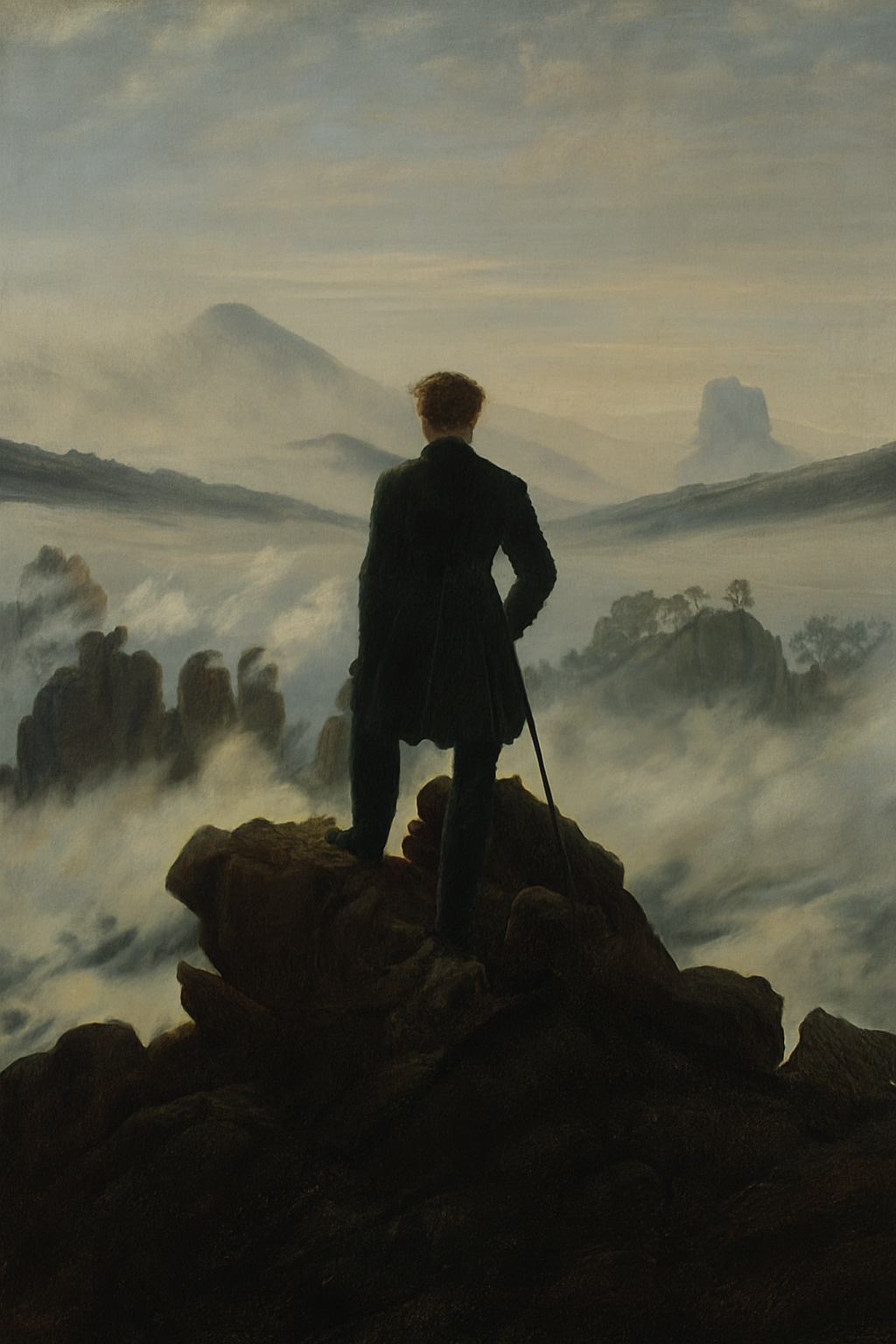
From Caspar David Friedrich’s Wanderer Above the Sea of Fog to Edward Hopper’s solitary city scenes, artists across eras have celebrated the dignity of being alone.
Daniel Schreiber argues that society has long overstated the link between being single and being lonely: “Romantic relationships aren’t life’s only blueprint.”
✅ How to Practice Meaningful Solitude
If solitude is a choice, how can we make the most of it?
- Set aside uninterrupted alone time
- Swap mindless scrolling for mindful sensory experiences
- Take walks, visit museums, listen to classical music
- Journal, meditate, take relaxing baths
- Turn solitude into a personal ritual, not a transition phase
As Gannon puts it: “The soft blanket, the sound of music, the taste of your food... What do you truly see, hear, feel when you're alone?”
🌱 Balance: The Art of Solitude and Social Connection
In the end, each person must find their own balance. As Coplan concludes, “Humans need social interaction—but we also need solitude. The key to happiness and mental health lies in discovering your personal equilibrium.”