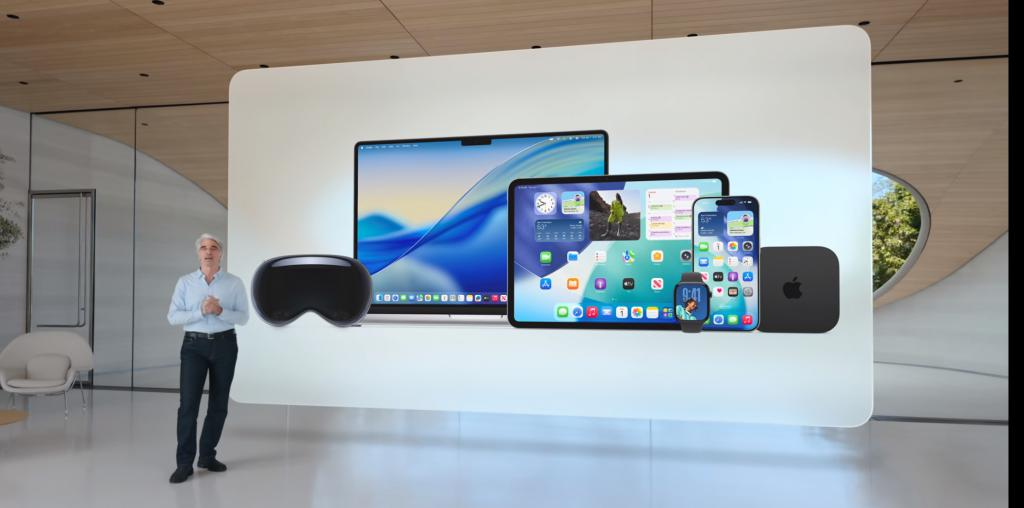
On June 10, Apple held its annual Worldwide Developers Conference (WWDC 2025), unveiling updates across its ecosystem. But unlike past years’ blockbuster events, this year’s WWDC was notably underwhelming. Major AI developments were missing, Siri upgrades remained in progress, and much of the presentation focused on system design and naming standardization.
Instead of headline-making AI tools, Apple introduced a new “Liquid Glass” UI design and rebranded its OS versions with year-based names (iOS 26, macOS 26, etc.). While this marked the biggest UI shift since iOS7, the updates failed to spark widespread user enthusiasm.
iPadOS 26 featured meaningful upgrades including free window resizing and a revamped Files app. Additionally, Apple announced third-party access to its on-device model framework, signaling a step toward building an open AI ecosystem. Still, markets found these changes insufficient. Apple’s stock fell to $201.45 per share post-event, shedding $36.8 billion in market cap.
In China, Apple’s challenges were more pronounced. Q1 shipments fell 8% year-over-year, dropping Apple to fifth place in market share. In response, Apple initiated rare price cuts on flagship models like the iPhone 15 Pro. While this spurred short-term sales, analysts argue it undermines the brand’s premium perception.
As industry analyst Zhang Shule notes, Apple’s core issue isn’t Huawei or Xiaomi—it’s stagnation in product experience. Without distinct advantages in hardware or AI, the Apple halo effect is dimming.