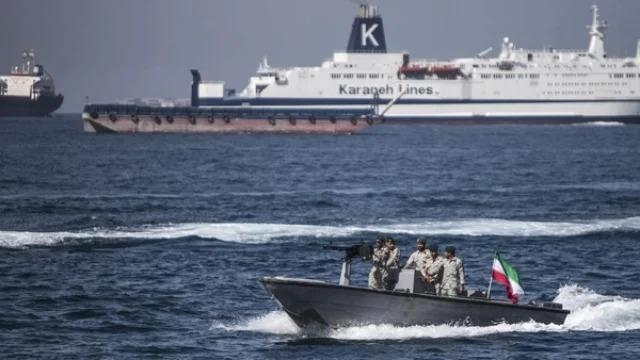
As tensions between Israel and Iran continue to escalate, Iran has once again issued a strong warning about possibly closing the Strait of Hormuz. On June 14, Iranian parliament security committee member Esmail Kosari declared that Tehran is “seriously evaluating” the move. While no concrete action has been taken, the mere statement has tightened global oil markets.
Known as the “throat of global energy,” the Strait of Hormuz channels about 20 million barrels of crude and condensate daily — roughly one-third of global oil exports. A disruption could trigger a surge in oil prices and severely impact global supply chains.
However, military and energy analysts point out that despite Iran's repeated threats in the past, the strait has never been fully closed. Not only would a blockade be technically difficult, but it would also backfire on Iran’s own economy, heavily reliant on oil exports and foreign imports. Most believe the threat is more of a geopolitical pressure tactic aimed at deterring Israel and its allies.
Simultaneously, neighboring states are expressing concern over whether the ongoing conflict might impact nuclear facilities. Following Israeli airstrikes, countries like Turkey and Iraq have engaged in urgent talks with Iran and the U.S., fearing regional fallout or even nuclear contamination. Although the IAEA has reported no radiation anomalies, mistrust and vigilance remain high.
For now, Iran seems to be playing a dual strategy — rallying support from the Islamic world while maintaining a stance of deterrence without escalation. Whether the Strait of Hormuz is ever truly blocked or not, each warning from Tehran continues to amplify the global anxiety over energy security.