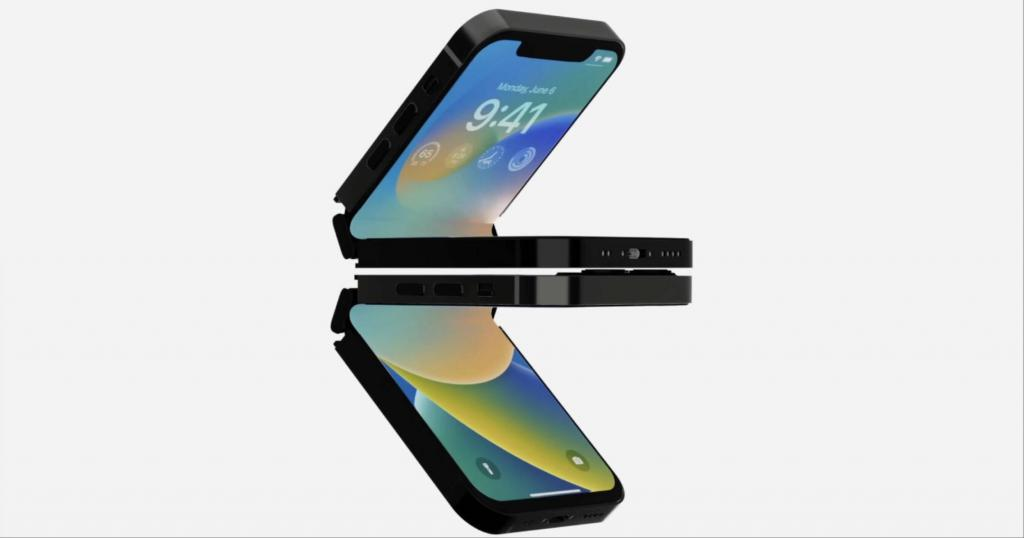
[July 3] — After more than six years of commercial foldable devices from Android competitors, Apple has finally entered the race. According to DigiTimes, citing supply chain sources, Apple officially began the Prototype 1 (P1) phase of its first foldable iPhone in June, signaling the tech giant’s commitment to developing a competitive foldable product.
Prototype Testing Underway, Launch Expected in Late 2026
Apple’s development has entered the P1 prototype stage, expected to last around two months. It will be followed by P2 and P3 phases for iterative design and trial production, before transitioning to Engineering Validation Testing (EVT) under the supervision of manufacturers like Foxconn and Pegatron.
Following Apple’s typical development timeline, the foldable iPhone could enter mass production in late 2026 if everything goes according to plan.
Fifteen Years of Technical Groundwork, but Challenges Remain
Although late to market, Apple began exploring foldable technology as early as 2011 with its first “flexible display device” patent (US8787016B2), followed by a series of patents throughout the 2010s. In 2024, Apple even filed a “self-healing” screen patent to address crease durability.
However, turning patents into a commercially viable product has proven challenging. Rumors about a foldable iPhone have circulated for years, with projected launch dates delayed repeatedly—from 2020 to 2022 and now to 2026—highlighting Apple’s perfectionist approach.
Foldable iPad Shelved Amid Cost and Demand Concerns
Meanwhile, Apple has reportedly shelved its foldable iPad project. Sources cite production difficulties, high costs related to flexible displays, and uncertain consumer demand for large-screen foldables as reasons for the decision.
A Mature Market Awaits Apple’s Entry
By 2026, the foldable smartphone market will be highly evolved. Samsung will have released six generations of its Galaxy Z Fold line, while Chinese brands like Huawei, Xiaomi, OPPO, and vivo continue innovating on form factor and hinge durability—many now offering foldables thinner than iPhone slab models.
In response, Apple is reportedly launching an ultra-thin iPhone 17 Air this year to differentiate its standard product line from future foldables.
Can Apple Still Define the Foldable Standard—Even If Late?
Apple’s late-mover strategy has often paid off—whether with the iPod, iPhone, or Apple Watch. The company may not pioneer new categories, but it excels at redefining them.
Industry insiders believe that Apple’s foldable iPhone can’t be “just another foldable.” It must deliver innovations compelling enough to justify its late arrival and once again reshape user expectations.
With challenges still ahead in engineering and product positioning, Apple has two years to answer a crucial question: What makes the foldable iPhone uniquely Apple?