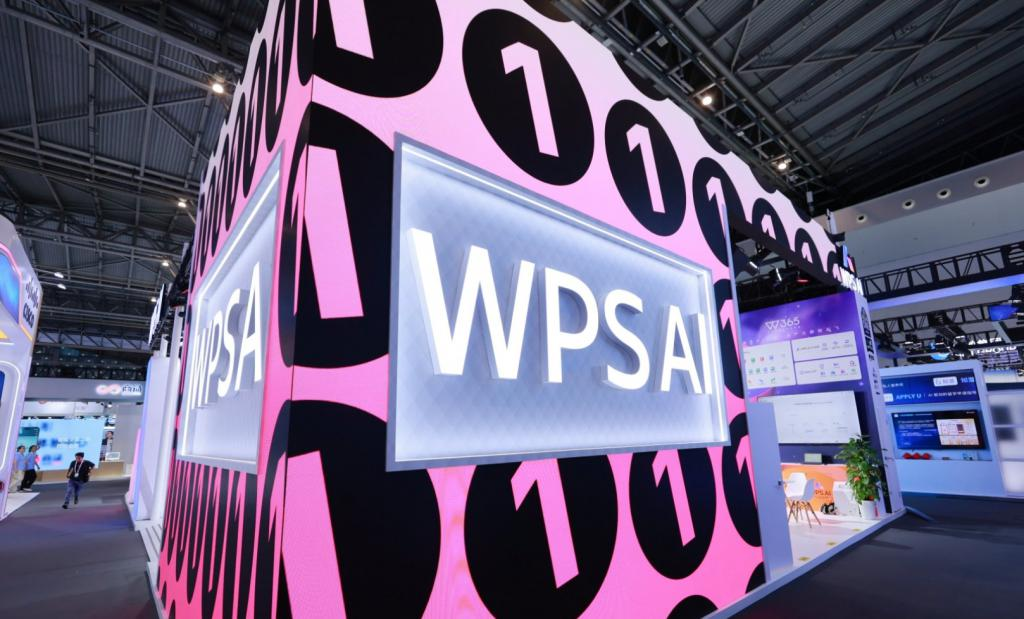
With the rise of AI large models, office productivity has become one of the most widely applied and effective use cases. On July 27, Kingsoft Office officially launched its native AI office assistant “WPS Lingxi”, allowing users to create documents, generate slides, and use voice commands through natural language conversations—without leaving the WPS environment.
Unlike other AI tools that generate content in one go, Lingxi’s innovation lies in its ability to “chat and edit” at the same time. Users can request changes and interact with the AI in real-time, ensuring documents and presentations meet their expectations. Whether it's editing a speech outline, tweaking a thank-you note, or generating a formatted rental contract, Lingxi handles it smoothly and natively within WPS.
What sets Lingxi apart is not just content generation, but also its ability to understand complex tasks, adjust formats precisely, and deliver high-quality, ready-to-use output—something that’s critical in real office workflows.
From a technical standpoint, Kingsoft developed a custom AI editing scaffold and native API protocol, ensuring the AI can interact deeply with the WPS engine. This gives the AI fine-grained control over layout and formatting, which other tools often struggle to manage accurately.
Compared to Microsoft Copilot, which builds AI on top of existing tools, WPS Lingxi is a ground-up integration of AI into the core of Office software. With over 6.4 billion monthly active devices globally, WPS leverages years of product experience and user feedback to tailor its AI features closely to real-world needs.
Now, with Lingxi, Kingsoft Office is not just competing with Microsoft—it may be pioneering the next generation of AI-powered productivity software, especially in the Chinese market and beyond.