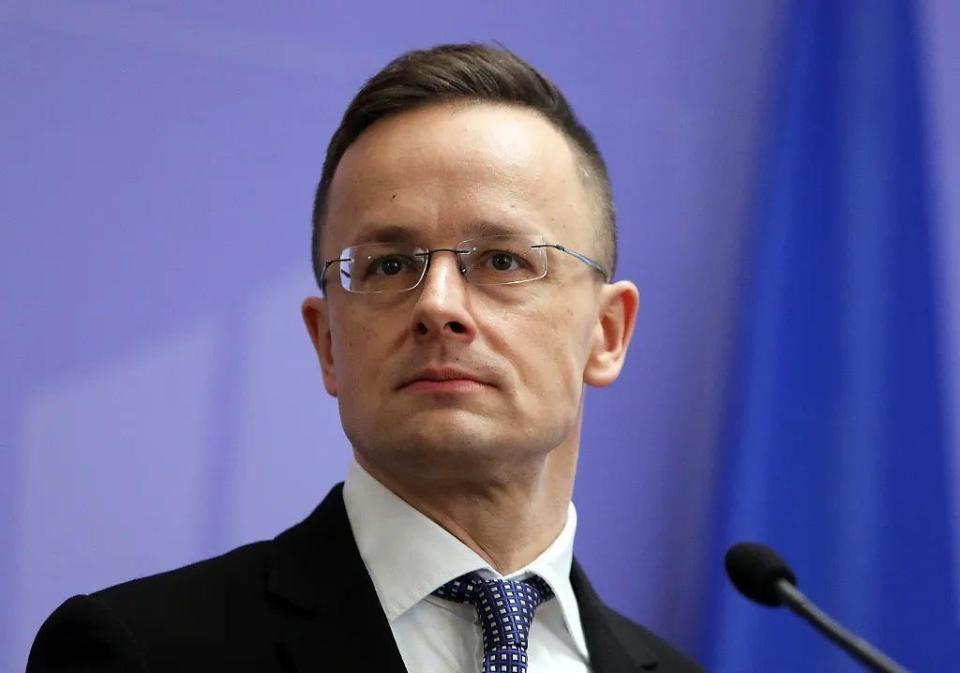
Hungarian Foreign Minister Péter Szijjártó announced that Hungary has banned the Ukrainian officers involved in the recent attack on the “Friendship” oil pipeline from entering Hungary and the Schengen Area. Szijjártó stressed that the attack posed a serious threat to Hungary’s energy security and represented an infringement on the country’s sovereignty. He said those responsible must face consequences.
Pipeline Under Repeated Attacks
The “Friendship” oil pipeline is a major energy artery transporting Russian crude oil to Central and Eastern Europe. It originates in Russia’s Samara region and branches into two main routes:
- Northern Line: runs through Belarus to Poland and Germany;
- Southern Line: passes through Ukraine to the Czech Republic, Slovakia, and Hungary.
In recent days, Ukraine has launched multiple drone and missile strikes on the pipeline, forcing the suspension of Russian crude deliveries to Hungary and Slovakia for several days.
Hungary’s Strong Response
Szijjártó emphasized that Ukraine was fully aware of the pipeline’s importance to Hungary and knew these attacks were not targeting Russia directly, but instead hitting infrastructure critical to Hungary and Slovakia. He noted that Hungary had lodged strong protests through various diplomatic channels and warned that such actions severely undermine regional energy stability.
Energy Security and Geopolitics
Built during the Cold War, the “Friendship” oil pipeline has long been a vital energy lifeline for Central and Eastern Europe. The recent attacks not only escalate the spillover effects of the Russia-Ukraine conflict but also raise new concerns over Europe’s energy security.
Conclusion
With Ukraine continuing to target the “Friendship” pipeline, tensions between Budapest and Kyiv have deepened. Hungary’s entry ban signals its firm stance on sovereignty and energy security. Whether this incident will influence the EU’s broader Ukraine policy remains to be seen.