India’s Ambition: Not Just “Made in India,” but Global Chips
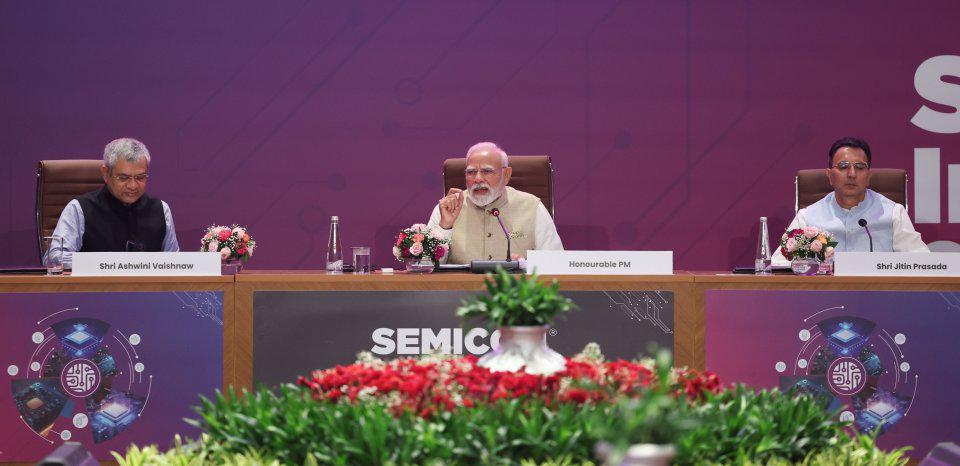
At the annual India Semiconductor Conference in New Delhi, Prime Minister Narendra Modi declared that India will achieve commercial chip production by the end of 2025 and ultimately position itself as a global hub for semiconductor innovation.
Modi claimed India is developing “some of the world’s most advanced chips,” with the country’s first domestically produced 28nm chip expected to debut in the second half of 2025, after several delays.
India’s Three Failed Attempts at Chipmaking
India has tried to develop a semiconductor industry since the 1960s, but progress has repeatedly stalled:
- 2007: A semiconductor policy promised a 20% capital subsidy, but poor infrastructure and complex regulations deterred investors.
- 2013: Another push collapsed due to funding challenges.
- 2021: The “Semicon India” program allocated $8.7 billion and pledged 50% project subsidies, but efforts to attract TSMC and other giants failed.
Recent setbacks include the collapse of ventures with Foxconn, Vedanta, and Adani, further dimming India’s chipmaking ambitions.
The Current Breakthrough: 28nm Process
India’s latest plan focuses on the 28nm node. Although it lags far behind the 2nm technology now in production globally, it still has practical significance:
- 28nm remains a mainstream “mature process” in the global market;
- It is widely used in automotive, consumer electronics, and IoT industries;
- Domestic firms like Tata Motors, Mahindra, and local electronics brands such as Lava and Micromax are expected to be early adopters.
The Tata Group is spearheading India’s first chip fab, targeting applications in consumer electronics, automotive, and defense.
Challenges Ahead: Technology, Supply Chain, and Talent
Analysts caution that India faces three major hurdles:
- Technology gap: Local engineers have experience only at the 40nm level, relying heavily on foreign expertise.
- Weak supply chain: Only 30% of production can be absorbed domestically; the rest must be exported, leaving India exposed to geopolitical risks.
- Talent and equipment shortage: Large-scale manufacturing know-how is limited, making international partnerships and second-hand equipment essential.
Jefferies also noted that while India’s semiconductor sector is growing, it still lacks the skilled workforce and global competitiveness needed to realize Modi’s vision.
Outlook: Between Ambition and Reality
Currently, six chip projects are under construction in Gujarat, Assam, and Uttar Pradesh, with four more recently approved. Modi insists these initiatives will establish India’s foothold in the global semiconductor industry.
Yet experts caution: producing a chip is one step; becoming a global leader is a much longer journey.
Conclusion: Modi envisions India delivering its first homegrown chip by 2025 and rising as a semiconductor powerhouse. But with steep technology gaps and fragile supply chains, India’s “chip dream” is more likely a marathon than a sprint.