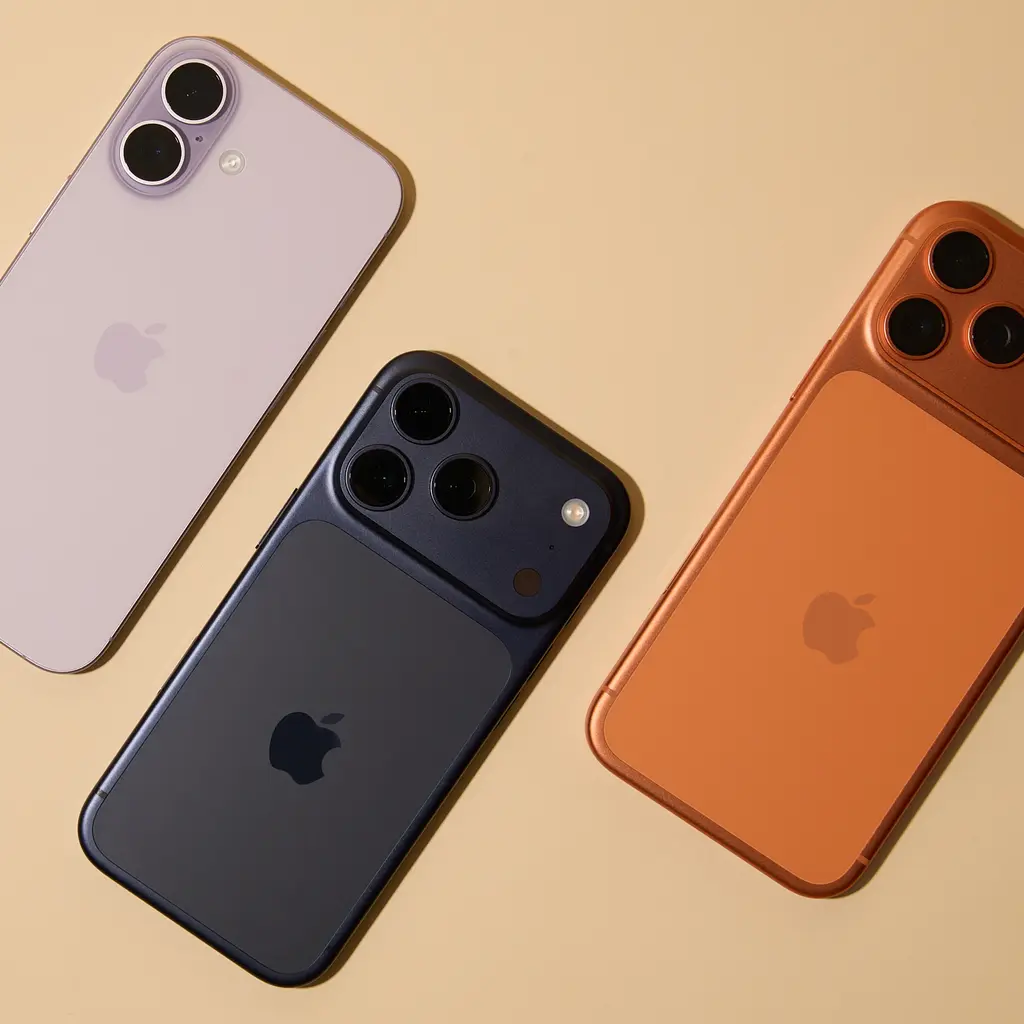
Apple, long known for its conservative “toothpaste-squeezing” upgrades, has finally decided to play aggressively. With the launch of the iPhone 17 series, the company not only reignited consumer enthusiasm but also sent shockwaves through the smartphone industry.
A Blockbuster Launch: No More Drips, Just an Explosion
While official activation numbers have yet to be released, presale results speak volumes: iPhone 17 Pro sales tripled compared to the previous generation, while the standard iPhone 17 saw an astonishing 8x surge.
Media headlines were blunt: “Apple squeezed the toothpaste tube dry.” Even Xiaomi’s executive Lu Weibing praised Apple on social media, while raising the bar by skipping “Mi 16” and directly unveiling the Mi 17 series.
A Turning Point Amid Pressure
2024 was a tough year for Apple in China. With slow upgrades and a lag in AI adoption, frustration grew among loyal fans. According to Canalys, Apple’s shipments in China fell 17% to 42.9 million units, while Huawei surged 37% to 46 million units. Revenue share in Greater China dropped from 25% to 17%.
Faced with fierce competition, Apple had no choice but to adapt. The iPhone 17 series is the result of this change in mindset.
More for Less: The Most Generous Standard iPhone Ever
The iPhone 17 standard model has been hailed as the most feature-packed standard edition yet:
- A19 chip
- Same display as the Pro version
- 48MP main + 12MP telephoto dual camera
- Upgraded 18MP front camera
- 120Hz refresh rate
And the best part—it qualifies for China’s national subsidy program. Combined with trade-in discounts, users can get the device for as low as 5,299 RMB, fueling a 43% market share during the 618 shopping festival.
To ride the subsidy wave, Apple even abandoned its usual “global unified pricing” strategy, offering the iPhone 17 in China at a lower local price than Hong Kong.
Channel Expansion: Apple Joins Douyin
In another surprising move, Apple officially launched its store on Douyin (TikTok China) just a week before the iPhone 17’s global release. This marks a major shift for a company that once limited its online presence to Tmall’s flagship Apple Store.
Apple is no longer just a “temple brand” — it’s getting closer to where consumers actually shop.
Challenges: Stock Dip and AI Hesitation
Despite the hype, Wall Street showed concern. Apple’s stock dropped sharply, with “Buy” recommendations falling to 55%, the lowest since 2020.
The problem lies in expectations. While Apple upgraded cameras, introduced 8x zoom, and unveiled the experimental iPhone Air with in-house chips, many consumers see these as incremental rather than revolutionary.
More critically, Apple remains cautious about AI investment. Internal debates, leadership exits, and a lack of bold vision have left the company trailing behind Google and Microsoft.
Looking Ahead: Cost, Politics, and Choices
With supply chain shifts and geopolitical uncertainties looming, Apple faces tough decisions: continue lowering prices to keep market share, or maintain margins and risk losing ground.
Conclusion: Can Apple Win by “Competing Harder”?
As Bloomberg’s Mark Gurman pointed out, Apple’s challenge in AI lies in lack of vision and uncertain execution. Under Tim Cook, Apple has stayed profitable and stable, but less daring.
This time, Apple isn’t turning back the clock — it’s learning how to compete in a hyper-competitive world. It still has the fans and ecosystem, but to reclaim its role as a world-changing innovator, Apple must deliver more than just aggressive pricing.
The question remains: Can Apple’s new strategy win the long game?