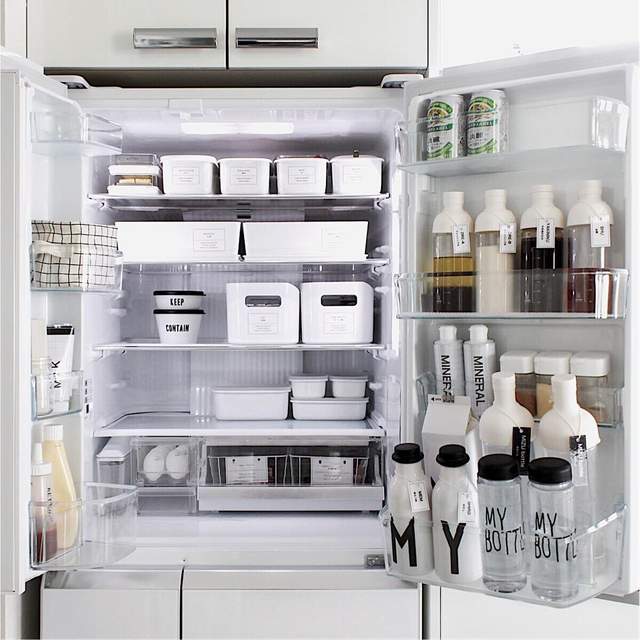
Let’s talk fridge wisdom! Many of us have the “stockpile” habit—packing cold drinks, fruits, raw and cooked foods together haphazardly into the fridge, thinking it keeps everything safe forever. But here’s the reality: a fridge isn’t a magic vault, nor does it sterilize. It slows down bacteria and delays spoilage—but if misused, it can still lead to what some call “fridge sickness.”
What is “fridge sickness”?
“Fridge sickness” isn’t an official medical diagnosis—much like “air conditioning sickness.” It describes the digestive discomfort (abdominal pain, diarrhea, vomiting) caused by eating fridge‑stored food improperly handled or consumed too cold.
What causes “fridge sickness”?
- Temperature shock
Food straight from the cold fridge can be much lower than your body temperature. Eating it quickly can trigger blood vessel constriction, reduce blood flow, and lead to headaches, sharp cramps in the upper abdomen, nausea, even vomiting. - Bacterial and mold overgrowth
Studies by the World Health Organization in countries like Germany, the UK, and Australia show that about 46% of household fridges have bacterial levels above safe limits—commonly Salmonella, Listeria, Shigella. Approximately 44% show mold growth. Refrigeration between 0‑4 °C suppresses bacterial growth—but doesn’t kill them. Salmonella can survive for 3‑4 months in chilled conditions; Listeria can grow in the 0‑10 °C range. Once food comes out into room temperature, within 2 hours, bacteria can multiply to dangerous levels.
How to prevent “fridge sickness”?
- If something is really cold (cold drinks, chilled desserts), let it sit at room temperature for a bit before eating. Heat cooked food thoroughly before consumption.
- Vulnerable groups—children, pregnant women, the elderly, those with weak immunity or weak digestion—should limit or avoid very cold foods and drinks to prevent discomfort.
- Clean your fridge regularly: in summer, aim at once a week. Unplug, empty contents, clean with baking soda or mild dish soap, dry thoroughly, and don’t forget the door seals and corners.
Layering your fridge properly
Organizing food by layers helps prevent cross‑contamination and slows bacteria growth:
- Top shelf (Refrigerator compartment): Best for ready‑to‑eat items—cooked foods, yogurt, desserts, leftovers, beverages. Seal leftovers using containers or wrap them well to avoid odors and contamination.
- Bottom shelf (Refrigerator compartment): Ideal for fruits, leafy greens. Avoid placing directly against inner walls to prevent freezing damage. Near inner walls is okay for uncooked items needing low temperature, like tofu.
- Freshness / Chiller zone: Excellent for meat that needs to be consumed within 24 hours (e.g. acid‑drained meats), fresh fish, shellfish—best kept around −1 to +1 °C.
- Freezer compartment: Portion meat ahead of freezing; take out only what you’ll eat to avoid repeated thaw‑freeze cycles. Starchy items like bread or buns dry out more in the fridge; wrap well and store in freezer instead.
Foods not suited for fridge storage
- Tropical fruits (bananas, mangoes etc.): Best kept around 10‑12 °C. Too cold leads to chilling injury, blackening, decay.
- Tea leaves, milk powder: Fine at room temperature; in fridge, if not sealed well, they absorb odors, moisture, and spoil faster.
- Onions, garlic: Strong aromas that can spread; better stored in cool, dry, ventilated spaces. Refrigeration doesn’t substantially extend shelf life.
- Cucumbers, bell peppers, tomatoes: Each has optimal storage temperature. Refrigerating too long causes color change, softening, and loss of flavor.
- Leafy green vegetables: If refrigerated, try not beyond three days; dry off moisture, wrap in clean paper towels, then bag before storing.
In conclusion
Your fridge is an essential ally in keeping food safe—but it’s not magic. Heat, frequent door opening, improper layering, and long storage periods all contribute to bacterial growth. Clean often, store wisely by layers, keep temperatures right, use food while fresh. Especially for those with sensitive digestion, avoiding overly cold food or drinks can make a big difference. Freshness + hygiene = food safety!