Afghanistan has been thrust into a digital silence after the Taliban government imposed a sweeping nationwide shutdown of telecommunications, weeks after beginning to sever fibre-optic internet connections.
According to internet watchdog NetBlocks, the country is now facing a “total internet blackout”, leaving millions without access to digital communication. International media outlets report they have lost direct contact with offices in Kabul, while mobile internet, satellite television, and even flight operations have been thrown into chaos.
A Nation Cut Off
Despite the sweeping disruption, Taliban officials have offered no official explanation. One senior figure, however, confirmed the shutdown would remain in place “until further notice.” Since reclaiming power in 2021, the Taliban has consistently rolled out restrictions under its interpretation of Islamic Sharia law, with this latest measure marking one of its most far-reaching.
Privately owned Tolo News, one of Afghanistan’s last remaining independent broadcasters, warned audiences of likely TV and radio disruptions, urging them to follow its social media accounts for updates—ironically, now inaccessible to most citizens.
The blackout has also struck Kabul International Airport, where at least eight flights were cancelled on Tuesday, according to flight tracking service Flightradar24. Banking, e-commerce, and businesses are expected to face significant paralysis as the outage continues.
Voices Silenced, Lives Disrupted
For ordinary Afghans, the sudden cutoff has been devastating. Fibre-optic internet connections—vital for banking, education, and business—were halted around 5 p.m. local time, leaving many unaware of the full impact until the following morning.
The BBC has learned that a Kabul-based committee is considering “filtering” the internet to prevent so-called “immoralities,” with discussions underway about whether a nationwide fibre ban should be enforced.
Residents across multiple provinces had already been grappling with slow speeds and intermittent access for weeks. Now, many say their livelihoods and futures are crumbling:
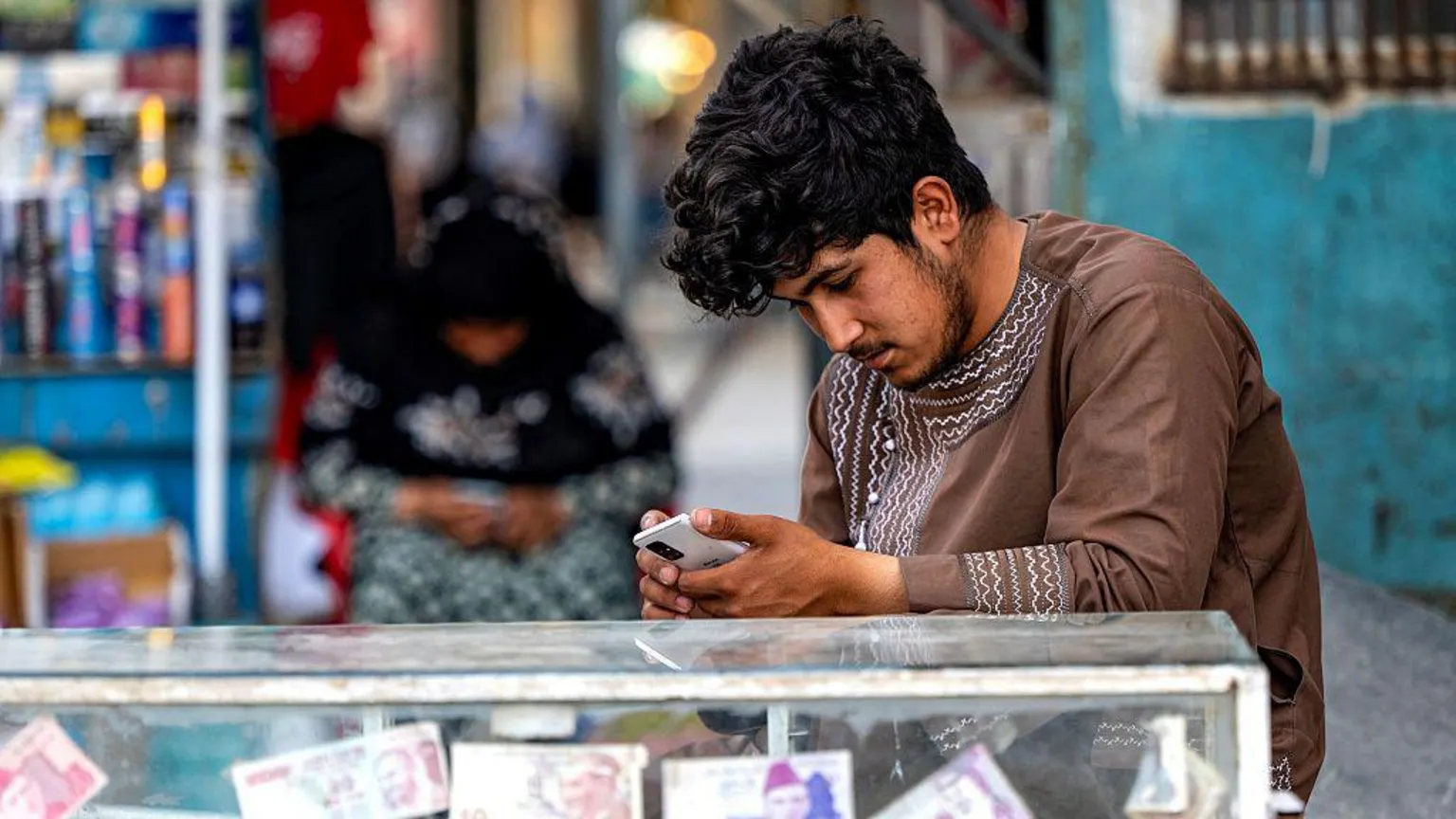
- A money changer in Takhar lamented that his daughters’ online English classes had ended—“their last opportunity to learn is now gone.”
- A young woman described losing access to her studies and hopes of securing remote work: “That dream has been destroyed.”
- Students whose midwifery courses were banned in late 2024 turned to online learning as their only path forward—until this week’s blackout shut that door too.
Former Afghan journalist Hamid Haidari summed up the mood: “Loneliness enveloped the entire country.”
“North Korea of the Internet”
The shutdown has drawn international comparisons to authoritarian regimes. On social media, Haidari quipped Afghanistan had now surpassed North Korea in digital isolation. Former Afghan MP Mariam Solaimankhil, now in the U.S., warned: “The silence online without Afghan voices is deafening.”
Earlier this month, a Taliban governor in Balkh province admitted the ban on fibre optics was aimed at curbing “evils,” with promises to explore alternatives.
But the move is only the latest in a relentless wave of restrictions: from stripping women-authored books from universities, to banning human rights courses, and shutting down midwifery training. Women and girls—already barred from education past the age of 12—are bearing the brunt.
One university student put it bluntly: “When I heard that the internet had been cut, the world felt dark to me.”
A Nation in Digital Darkness
Since their dramatic return to power in 2021, the Taliban has sought to control every facet of Afghan life. But with the internet—once a fragile lifeline for education, communication, and economic survival—now severed, Afghanistan faces a new kind of isolation.
The question that lingers is not just how long this blackout will last, but how much further it will push Afghans into the shadows of silence.