Wong Lo Kat vs. Jiaduobao: The Never-Ending Trademark Battle and the Shifting Fortunes of China’s Herbal Tea Kings
In a twist few expected in 2025, Guangzhou Pharmaceutical Group (GPH) and Jiaduobao Group are once again locked in a bitter fight over the “Wong Lo Kat” trademark. Only this time, the clash hasn’t even made it to the trending lists—an unmistakable sign that the herbal tea market’s once-fiery heat has cooled dramatically.
The Overseas Trademark Showdown
On October 10, Jiaduobao published a public statement on its official WeChat account, asserting its ownership of the overseas “Wong Lo Kat” trademark. It was the second such post in less than two weeks, as Jiaduobao continues to defend what it calls its “legitimate global rights” to the brand.
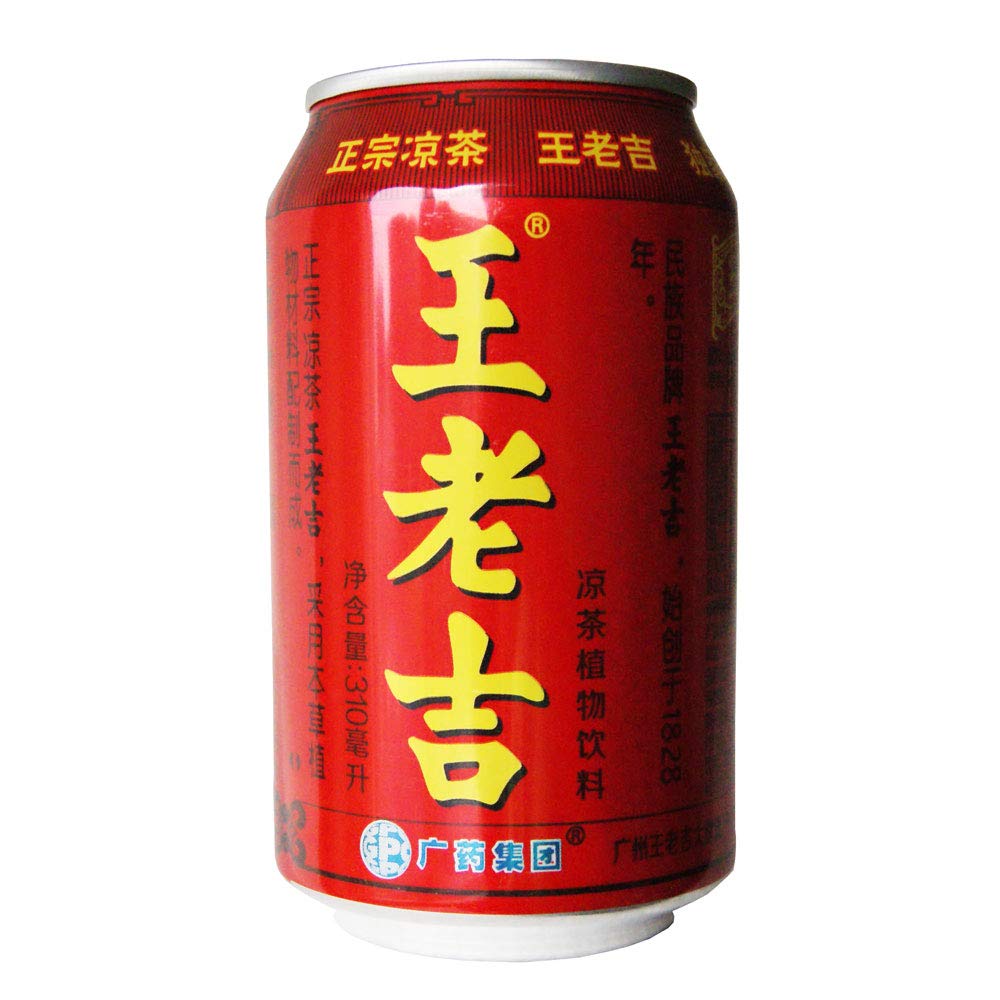
In response, GPH’s official Wong Lo Kat account fired back, declaring that its subsidiary, Guangzhou Wanglaoji Health Industry, has registered the “Wong Lo Kat” and “Walovi” trademarks in over 100 countries and regions. The company accused Jiaduobao of “misinterpreting trademark law” and “hindering Wong Lo Kat’s international expansion.”
That such a feud still rages in 2025 seems almost surreal. Yet, given how Red Bull’s own trademark battle has dragged on for eight years, perhaps it’s not so surprising. This time, though, the war has shifted beyond China’s borders, as both herbal-tea titans fight for dominance in global markets.
The Roots of the Dispute
The conflict traces back to the overseas brand originally registered by descendants of Wong Zebang—the herbalist who created Wong Lo Kat—and later licensed to Jiaduobao. For movie buffs, the name might even ring a bell from the classic Hong Kong film Rouge, where one character famously said: “Coke? That’s the foreign Wong Lo Kat.” The brand’s cultural weight runs deep.
However, when the two companies fell out years ago, Jiaduobao made a bold and controversial move—rebranding both its domestic and international products under the “Jiaduobao” name. Shelves that once carried “Wong Lo Kat” abroad were swiftly replaced with the Jiaduobao label. The logic was clear: consistency. Jiaduobao wanted a unified identity, free from confusion and from inadvertently promoting a brand it no longer owned in China.
GPH’s Counterattack: The “Walovi” Strategy
Fast forward to 2023, GPH chairman Li Chuyuan unveiled an ambitious global expansion plan—launching an “overseas edition” of Wong Lo Kat and registering the new trademark “Walovi.” While the name puzzled some consumers, it represented a strategic pivot. After all, younger audiences often failed to connect the English “Wong Lo Kat” with its Chinese counterpart.
This overseas push came at a critical juncture. Between 2020 and 2022, domestic sales of Wong Lo Kat’s once-lucrative gift boxes had plummeted, leaving distributors reluctant to stock up. GPH’s solution: diversify its lineup (introducing products like Lychee Lo Kat and Coconut Milk Yerou) and seek growth abroad. As a listed company under Baiyunshan, GPH needed both solid performance and a compelling story to tell investors.
Jiaduobao, meanwhile, accused GPH of “malicious trademark registration” and “obstructing fair competition,” portraying itself as the victim of bureaucratic overreach. Ironically, GPH’s statement implied the opposite—that Jiaduobao was the one blocking a proud Chinese brand’s overseas ambitions.
Yet behind these public spats, both companies were undergoing internal turmoil. GPH, once a master of public-opinion battles, has since entered a period of deep restructuring following corruption probes that saw key executives, including Li Chuyuan, detained. Jiaduobao, for its part, had begun its own internal cleanup years earlier, offering rewards for whistleblowers and publicly naming executives accused of misconduct.
The Cooling Gift Market
Both brands have felt the chill of China’s weakening gift-box market. This year’s Mid-Autumn Festival and National Day holidays were particularly brutal. The eight-day “super holiday,” typically a golden sales window, turned out to be the slowest in recent memory. Consumers were on the road—not at home exchanging gifts.
Rainy weather and shrinking retail displays worsened the problem. Gift-giving is largely impulsive, and when products aren’t visible, shoppers simply don’t buy. In lower-tier cities and rural markets, the downturn was even more severe—many consumers were preoccupied with rescuing crops from the muddy fields rather than shopping for festival presents.
Gift-box fatigue has been building for years. Even during Chinese New Year, volumes have dropped sharply. The dairy industry’s sales slump, punctuated by a viral joke about “the milk only Henan people buy—two boxes per pack,” illustrates just how fragile the traditional gift economy has become. Younger consumers are less sentimental about such customs, and the older generation is less capable of sustaining them.
Reinvention or Stagnation?
Faced with decline, both herbal tea giants have stuck to familiar playbooks. GPH’s Wong Lo Kat continues to chase “youthful rebranding” and “IP collaborations,” trying to modernize its image with new product lines and pop-culture tie-ins. Jiaduobao, on the other hand, seems stuck in the past—its Kunlun Mountain mineral water is still running the same “open the cap, water bursts out” slogan from the old Evergrande Ice Spring campaign.
Meanwhile, a new trend is reshaping China’s beverage landscape: going global. From Southeast Asia to the Middle East, Chinese consumer brands are thriving abroad. With manufacturing shifting overseas and young entrepreneurs seeking growth beyond the mainland, overseas Chinese communities are becoming prime targets for expansion. For herbal tea—a product already steeped in cultural heritage—this presents a rare second wind.
The Bottom Line
Both Wong Lo Kat and Jiaduobao missed the boat on domestic trends like sugar-free teas, electrolyte drinks, and plant-based beverages. Now, they’re looking overseas for salvation. But whether this “curve-through-the-overseas-market” strategy can truly revitalize the century-old herbal tea empire remains an open question.
After all, in business as in branding, the fiercest rivalries often outlast the products themselves.