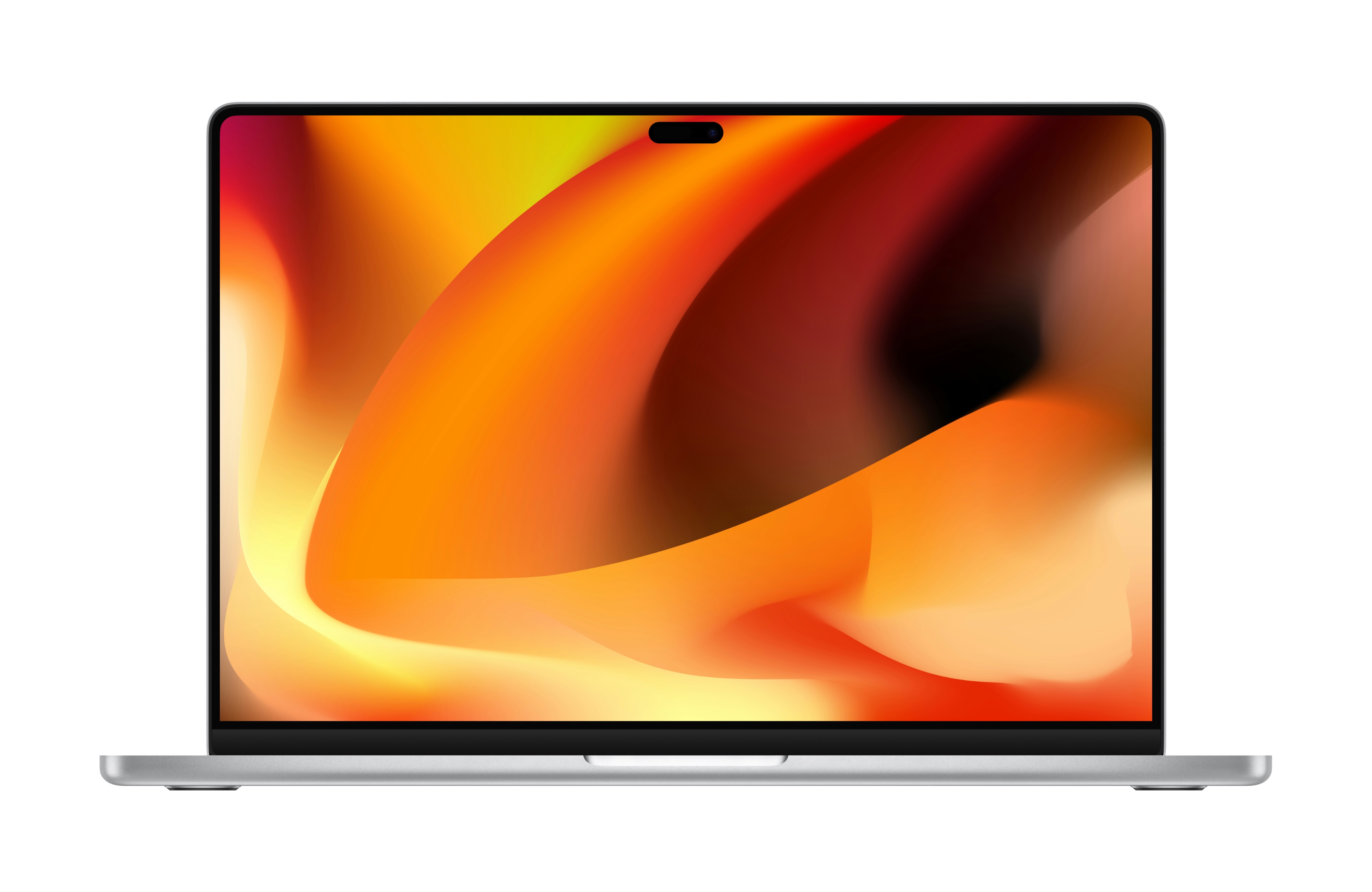
Rumors surrounding Apple’s next-generation MacBook Pro have taken another intriguing turn. Multiple sources suggest that Apple is preparing to fully transition the MacBook Pro lineup from mini-LED to OLED displays—paving the way for thinner, lighter designs and even more stunning visual quality. However, a recent discovery by a YouTuber may hint that the entry-level 14-inch M6 MacBook Pro won’t be part of that OLED revolution. Instead, those premium upgrades could be reserved for higher-end models—meaning, if you want that sleek OLED look, you’ll likely have to pay extra.
The Evidence: What the Model Codes Reveal
The key clue comes from Apple’s internal model identifiers. The previous base M5 MacBook Pro reportedly carried the code “J704,” while the upcoming M6 models are grouped under “J804.” YouTuber Vadim Yuryev pointed out on X (formerly Twitter) that the models featuring OLED screens and slimmer builds use an entirely different identifier—something like “K116.” This suggests Apple is separating models by hardware capability right from the code level.
In other words, the 14-inch M6 base model will probably retain the current mini-LED display—still the excellent Liquid Retina XDR panel—but miss out on the OLED’s deeper blacks, sharper contrast, and thinner chassis. For users who believe mini-LED is already “good enough,” that’s hardly a dealbreaker. Yet from a marketing standpoint, it’s clear Apple is reserving the flashiest new tech for its higher-priced tiers.
A Classic Apple Strategy: Product Tiering Done Smartly
This isn’t the first time Apple has used strategic product segmentation. The company has long differentiated its devices through varying levels of display quality, memory options, or connectivity features. If the base 14-inch M6 indeed skips OLED, Apple would once again be leveraging highly visible improvements—like display material and physical thinness—as exclusive perks for premium buyers. From a business perspective, it’s a clever move. From the consumer’s side, not everyone will see the value.
For potential buyers, two key factors are worth considering:
- mini-LED remains top-tier—offering exceptional brightness and HDR performance that creatives will love.
- OLED, on the other hand, excels in contrast and black levels, making it a dream for video enthusiasts and those who prioritize display quality. Whether that’s worth the extra cost depends on your specific use case.
Behind the Scenes: Chip Design and Uncertain Timelines
Adding to the mix, reports have hinted that the M5 Pro and M5 Max chips may have been delayed, and that Apple could be experimenting with a new “modular” chip architecture that separates the CPU and GPU. If true, such an overhaul could delay the M6 rollout or change the usual release rhythm. Some analysts even speculate that the M6 Pro and M6 Max models might not arrive until 2027. That means choosing when to upgrade may depend not just on display preferences, but also on Apple’s evolving silicon roadmap.
A Balanced Take on Apple’s ‘Layered Upgrades’
For now, these findings remain speculative, derived from internal identifiers and leaks rather than official announcements. Still, Apple’s track record is consistent—saving its most attention-grabbing innovations for the top of the line while keeping the mid-range competitive.
If you’re planning to buy a MacBook Pro within the next year, the smartest move is patience. Keep an eye on Apple’s official M5/M6 release timeline and wait for real-world reviews, especially those focusing on display and thermal performance. Once the data is out, you’ll know whether paying more for that OLED-powered beauty is truly worth it.