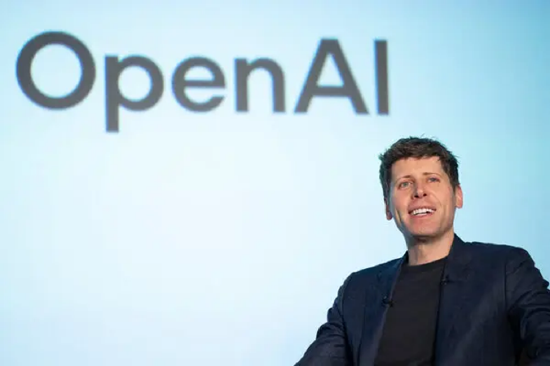
OpenAI has once again sparked a wave of market frenzy. In just over a month, giants like Broadcom, Oracle, NVIDIA, and AMD have all seen their stock prices soar after announcing collaborations with OpenAI — adding trillions of dollars in combined market value.
Broadcom “Wins Twice”
Semiconductor leader Broadcom’s shares jumped 10% after announcing a partnership with OpenAI to co-develop custom AI chips. Its market value is now close to $1.7 trillion, surpassing TSMC and trailing only NVIDIA. This is Broadcom’s second major stock surge linked to OpenAI, following speculation that OpenAI was behind its $10 billion “mystery order.”
A Chain of Billion-Dollar Deals
In the past month, OpenAI has signed several massive partnerships:
- $300 billion cloud services deal with Oracle;
- Up to $100 billion investment and chip procurement deal with NVIDIA;
- Collaboration with AMD for 6 GW of processors;
- Co-development of 10 GW AI chip systems with Broadcom.
These deals secure OpenAI’s computing power and diversify its chip supply, while also driving partner stock rallies.
The Cost of Expansion
Despite explosive revenue growth, OpenAI remains deeply unprofitable. Last year’s net loss was about $4 billion, and this year it could double to $8 billion. CEO Sam Altman plans to spend over $115 billion in the next five years on data center infrastructure — far beyond current funding levels.
To ease financial pressure, OpenAI uses “investment-for-procurement” models with chipmakers like NVIDIA and AMD, trading future growth for immediate hardware support.
Bubble Warnings
Now valued at over $500 billion, OpenAI is the most valuable startup in history. Elon Musk has criticized the valuation as excessive and warned of an AI bubble. Even Altman himself admitted that the AI market is in a bubble phase.
Economists have compared the current AI boom to the dot-com bubble of the early 2000s — when belief in transformative technology inflated valuations before the crash. Today, capital is even more concentrated in a few tech giants, raising systemic risk concerns.
Optimism vs. Caution
Optimists argue that today’s AI and semiconductor industries are fundamentally stronger, backed by solid cash flows and sustained demand. With the Federal Reserve in a rate-cutting cycle, market collapse risk is lower than in 2000 or 2008.
Still, whether OpenAI’s massive investments can generate proportional returns remains uncertain. The question lingers — are we witnessing a true technological revolution, or another round of capital speculation?