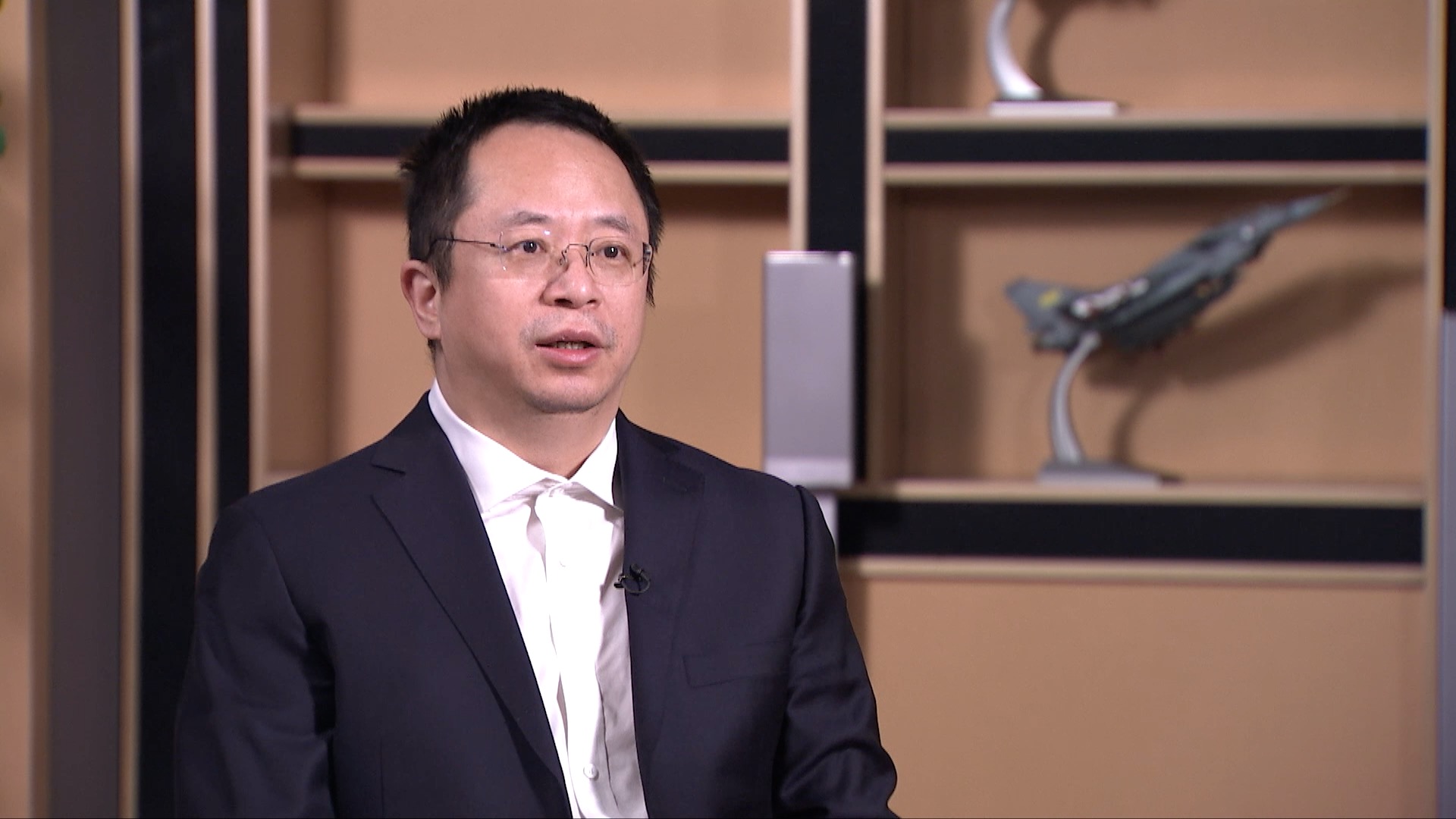
As AI technology advances at lightning speed, a growing question echoes across society: “If AI can do everything, why do children still need to go to school? Is there any point in learning physics, chemistry, or literature anymore?” Zhou Hongyi offered a sharp and insightful answer to this concern, reframing how we understand education in the age of AI. Zhou explained that this anxiety stems from a common misconception—mistaking knowledge for information storage. True learning, he emphasized, isn’t about cramming textbooks into our brains. Physics is not about memorizing formulas, but about learning how to build models of understanding. Chemistry isn’t just about equations, but about grasping how things change. Language classes don’t merely teach vocabulary, but cultivate the ability to express ideas precisely. These disciplines, Zhou noted, form the mental frameworks that determine the quality of questions we can ask AI—and ultimately, the depth of the answers we receive. In Zhou’s view, the foundation of education in the AI era isn’t rote memorization but the cultivation of mental models and cognitive skills through learning. The real value lies in developing the ability to deconstruct problems, debug effectively, and think systematically. Problem-solving involves breaking down complex needs into actionable steps; debugging requires identifying where things go wrong; systematic thinking helps us understand the interplay between different parts of a system. Such abilities, Zhou emphasized, can only be honed through the structured training traditional subjects provide. Zhou further highlighted that AI is merely a “super-intelligent assistant” that needs to work alongside “thinking humans.” Without clear communication and critical reasoning, even the most powerful AI becomes ineffective. As Zhou put it, “If a person can’t articulate what they need, they’ll struggle to collaborate—not just with AI, but with people too.”
When AI Knows Everything—Is School Still Necessary? Zhou Hongyi's Answer Says It All
As AI technology advances at lightning speed, a growing question echoes across society: "If AI can d...
Source: https://www.myzaker.com/
Keep a little curiosity for the next story.
Back to readingRead next
All

Business & Finance
This Optical Computing Chip Achieves 10x Nvidia's Performance—Can It Break Silicon's Limitations?
Read more