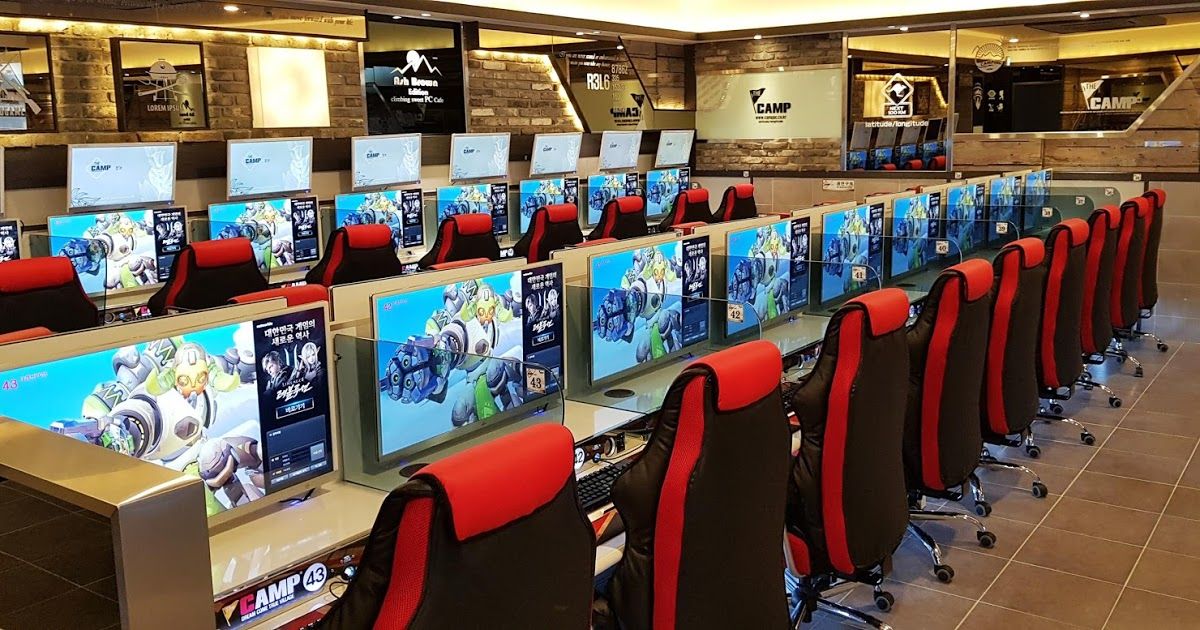
Recently, an internet café in Wuhan called X-GAME Esports Hall went viral for a surprising reason — it offers a seafood buffet, drawing crowds of young people eager to eat rather than just play games.
According to Jiupai News, the café’s dining service covers breakfast, dinner, and late-night meals, catering to gamers at all hours. The pricing is surprisingly affordable — a self-service meal with internet access costs just 69.9 RMB, while new customers or those who top up 200 RMB receive a free meal. Guests staying overnight in capsule rooms or the attached esports hotel can even enjoy three meals a day for free.
All dishes are freshly prepared by professional chefs, and the menu is far from simple. Breakfast includes noodles and fried snacks, while dinner features a “four dishes and one soup” set. The seafood options rotate daily based on fresh ingredients — from crabs, squid, and shrimp to scallops — along with home-style dishes like tofu and eggplant, plus fruits and desserts for variety.
For many young people, being able to eat while gaming has made this esports café an instant hit. The owner revealed that since launching its food service, business has boomed — the unique model earned over one million RMB in its very first month.
This trend of merging dining with other experiences is spreading fast across industries. From seafood in internet cafés to dining while watching movies or solving escape rooms, young people are embracing what some call “unconventional dining.”
Even museums are joining the movement. As reported by New Weekly, the Sichuan Museum’s community canteen has become a viral hotspot, thanks to its budget-friendly prices. Small dishes range from 3 to 12 RMB — a vegetable salad costs only 3 RMB, and even salmon is just 12 RMB, offering canteen-level prices with remarkable value for money.
Similarly, the Liaoning Provincial Museum gained fame for its cafeteria meals. Its 22 RMB set of one meat and one vegetable dish has become a crowd favorite, alongside spicy hotpot, eggplant rice, and noodles. Some visitors even go there just to eat rather than for the exhibits.
This “not-so-serious dining” culture among young people isn’t new. Over the past two years, KTV lounges in cities like Chengdu, Shanghai, and Guangzhou have added hotpot, barbecue, and buffets into private rooms, allowing guests to sing and eat at the same time.
Other entertainment-based restaurants have followed suit, blending dining with drama, escape rooms, and themed experiences.
For example, in July this year, China’s first Happy Mahua Themed Theatre Restaurant — “Jianghu Banquet” opened in Beijing. While customers enjoy Yunnan, Sichuan, and Guizhou cuisine — dishes like passionfruit sour soup fish, curry chicken, and Sichuan-style spicy chicken — a live stage play called “The Stolen Heart Dinner” unfolds before them. Guests can even join in interactive games like pitch-pot and dice throwing. The average cost per person is around 98 RMB, with play tickets priced between 180 and 380 RMB.
In Fuzhou, a horror-themed restaurant has gone a step further, combining western cuisine with an escape room experience. Diners sign a mock “life-and-death waiver,” navigate a haunted route to find their seats, and are served by actors dressed as zombies and vampires, making the meal both terrifying and entertaining.
However, not every “+ dining” concept finds lasting success. Some venues struggle with food quality — often the weakest link. Take Shanghai’s Immersive Food Theatre: The Solitary Gourmet’s Spoon of Love as an example. While the concept impressed many, online reviews were filled with complaints about mediocre dishes. As one diner commented, “Creative idea, but they forgot the most important thing — the food itself.”
In general, restaurants using the “+ dining” model tend to focus more on experience than taste. Still, many consumers are willing to lower their expectations when the atmosphere is memorable.
That said, great experiences don’t excuse bad food. At its core, the restaurant business still lives and dies by one truth — good food always wins.