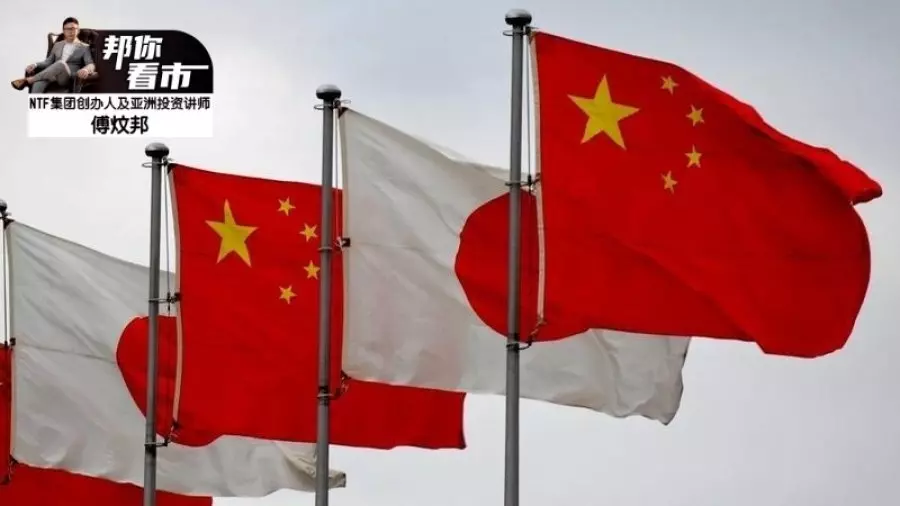
Recently, Japanese Prime Minister Sanae Takaichi made remarks in parliament stating that if China were to take military action against Taiwan and threaten Japan’s “survival,” Japan might consider a military response. Her statement quickly heightened tensions between China and Japan.
China’s Ministry of Foreign Affairs responded swiftly, condemning Japan for “serious provocation” and implementing several measures: suspending seafood imports from Japan, issuing travel advisories, and increasing coast guard patrols in disputed waters.
Many people immediately wondered whether Japan’s economy would suffer a major blow.
In the short term, sectors such as tourism, retail, and seafood exports will feel pressure. With fewer Chinese tourists, hotels and shopping malls may lose customers; suspended seafood imports hurt exporters; and cultural restrictions—such as Japanese films being removed from Chinese platforms—reduce related revenue.
Based on past trade friction data, the direct impact on Japan’s GDP may range from 0.1% to 0.5%, representing short-term fluctuations rather than systemic risk. In the stock market, consumer and tourism sectors may face pressure, while manufacturing and tech sectors are likely to be more resilient.
Japan’s economy is unlikely to collapse
Three reasons:
1. Strong mutual economic dependence
Japan relies heavily on China for exports, while China still depends on Japan for certain advanced technologies and manufacturing components.
2. China’s measures are largely symbolic
The restrictions target seafood imports and tourism—not core sectors like high-tech or energy.
3. Markets can absorb political noise
Investors understand that political disputes happen frequently. Unless tensions escalate into a full trade war or military conflict, economic fundamentals remain stable.
Investment Outlook
Short-term:
- Stay cautious with tourism and consumer sectors
- Use volatility to seek potential buying opportunities
Mid- to long-term:
- Focus on export-driven, tech-related, and supply-chain-benefiting companies
- Structural opportunities still exist
In short, the issue is more of a political signal than an economic disaster. The key for investors is not emotional trading but identifying which industries truly benefit and which are only temporarily affected.