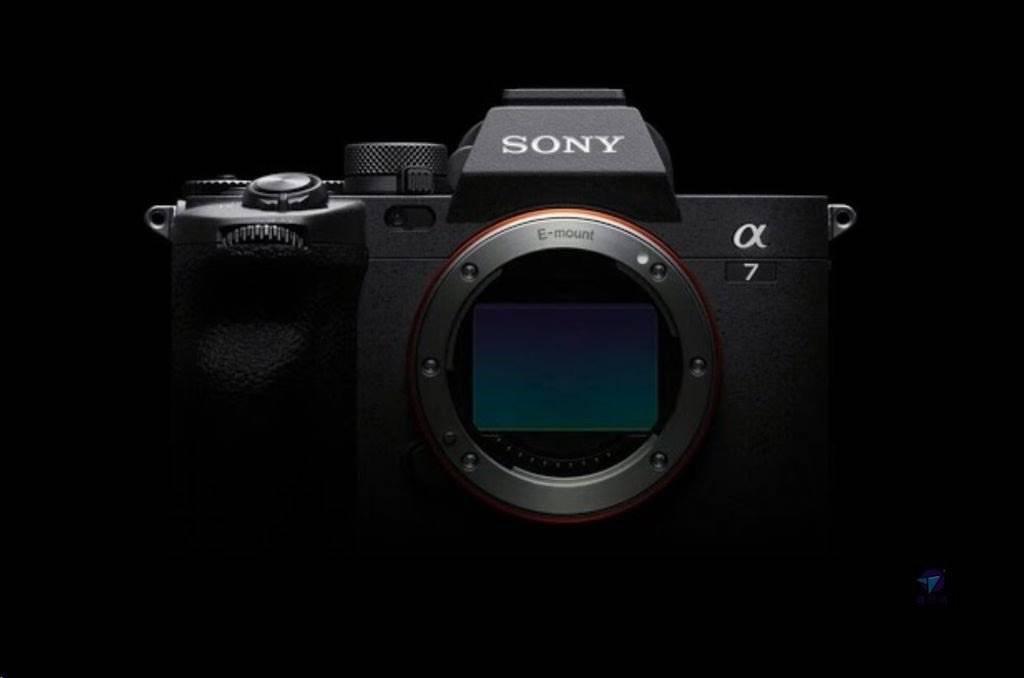
In 2025, the imaging world faces an interesting trend: smartphones have overtaken daily photography with computational imaging, pushing professional cameras toward video production. The challenge: how to reconcile speed and image quality?
Sony A7M5’s breakthrough lies in its 33MP partial stacked CMOS sensor. By adding a high-speed buffer around the sensor edges, it significantly improves data throughput, enhancing both stills and video performance:
- Continuous shooting: 30 fps at full 14-bit RAW;
- Video: 7K oversampled 4K 60p uncropped recording with AI autofocus.
However, physics imposes trade-offs. Partial stacked design may slightly reduce dynamic range at base ISO, requiring caution with shadows and highlights.
The camera maintains familiar A7 series design, with upgraded 3.2-inch flip touchscreen and dual USB-C ports, priced at ¥17,999.
Its true strength lies in the E-mount lens ecosystem:
- Premium lenses: Sony G Master series;
- Affordable alternatives: Sigma, Tamron, Viltrox.
This vast ecosystem allows both enthusiasts and small studios to build versatile setups at relatively low cost.
In short: the A7M5 represents the compromise between speed and image quality, but its lens ecosystem is the ultimate trump card.