Following Meituan Youxuan’s exit from key markets in Guangdong and Zhejiang, DuoDuo Grocery has experienced a surge in orders. According to LatePost, by November 2025, DuoDuo Grocery’s annual transaction volume approached 300 billion RMB, surpassing the combined totals of 2024 with Meituan Youxuan. Analysts predict 20%-30% annual growth in the coming years, potentially reaching 500 billion RMB in GMV and generating hundreds of millions in annual profit.
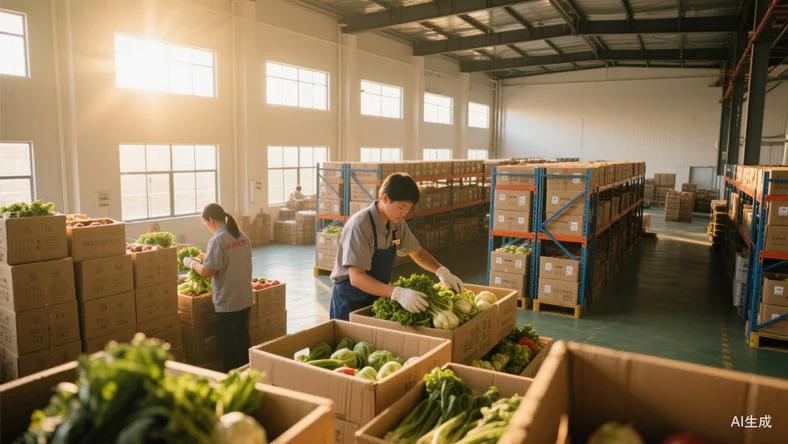
Over the past three years, Meituan Youxuan’s market share fell from 35% to 8%, while DuoDuo Grocery increased from 45% to 62%, becoming the largest player in China’s community group-buying sector. The surge in orders has strained operations, with daily orders at some hubs jumping from 40–60 to over 150 items. Issues such as frozen goods thawing during delivery and logistics congestion have emerged. DuoDuo Grocery has responded with earlier cut-off times, increased staffing, and higher salaries to ensure timely fulfillment.
However, market concentration brings new challenges. Group leaders face lower commissions, unstable delivery, and higher after-sales pressure; suppliers have reduced bargaining power, potentially affecting quality and innovation; and consumers’ ability to negotiate declines. Meanwhile, competitors like Meituan, Xiaoxiang Supermarket, JD’s Jingxi Pindu, and Douyin are focusing on instant retail and high-value seasonal items, indicating that competition is far from over.
In sum, the community group-buying market is entering a new phase: beyond price wars, delivery capability, product mix, and service quality have become key competitive factors. DuoDuo Grocery leads today, but structural challenges remain in maintaining long-term stability.