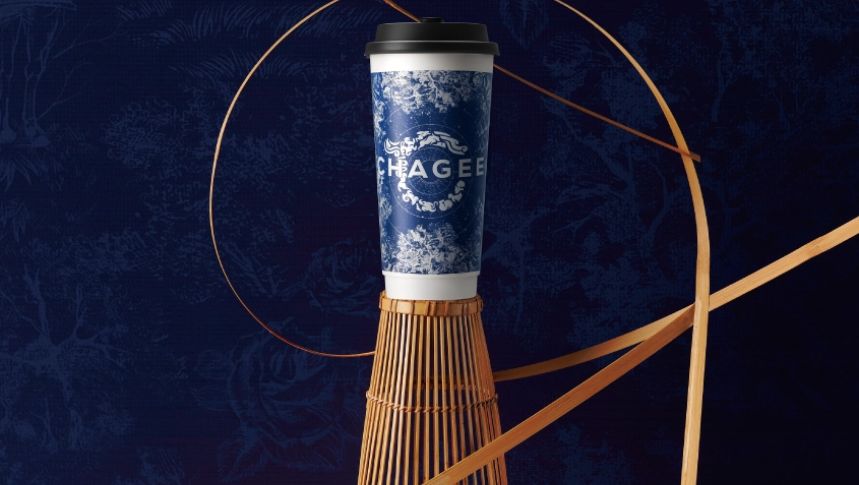
Bawang Chaji recently faced renewed public scrutiny over caffeine content, with some consumers claiming they “couldn’t sleep all night,” triggering a sharp stock drop. On December 26, Bawang Chaji’s U.S. shares fell over 15% intraday, closing down 2.54% at $11.9 per share, with a market value of $2.21 billion.
In response, the company stated that its beverages use whole-leaf tea, with caffeine levels comparable to a latte but lower than an Americano. Tea’s natural polyphenols, amino acids, and minerals create a mild and balanced effect. Bawang Chaji has also introduced a “Low-Caffeine Boya Juexian” product, reducing caffeine by around 50% and incorporating natural herbs to suit different consumer needs.
Financially, in Q3 2025, Bawang Chaji operated 7,338 stores worldwide, achieving a total GMV of 7.93 billion RMB, net revenue of 3.21 billion RMB, and adjusted net profit of 503 million RMB. Overseas business grew steadily, with consecutive quarters seeing over 75% YoY GMV growth. Founder Zhang Junjie emphasized ongoing product innovation, menu upgrades, and expansion of consumer scenarios to boost market share and store efficiency for sustainable growth.