With the Table Tennis Super League (Ping Pong Super League) Grand Finals now successfully concluded—and both the men’s and women’s team champions crowned—this year’s domestic competitions have essentially come to a close.
For China’s national table tennis team, however, the next phase is just beginning. One major priority is the selection of the new coaching staff, a process designed specifically around preparations for the Los Angeles Olympic cycle. Given what’s at stake, the importance of this appointment is impossible to overstate.
According to the current registration information, competition is intense. There are 28 coaching positions available, but 43 candidates have applied—an indication of both the depth of coaching talent and the high level of interest in these roles.
Among fans, the biggest focus remains the appointment of the national team’s head coach. Previously, the likely candidates had narrowed to three names. Now, with the finals over, the leading favorite is becoming increasingly clear.
Based on the official requirements for the head coach position, the eligible front-runners are essentially limited to three: Qin Zhijian, Ma Lin, and Wang Hao. Meanwhile, Xiao Zhan is reportedly unable to compete for the role because he does not meet the condition of having independently led both the men’s and women’s teams.
Each of the three leading candidates has clear strengths.
Qin Zhijian is widely viewed as the most senior and experienced.
Ma Lin has delivered the strongest results with the women’s team.
Wang Hao has navigated some of the toughest high-pressure battles in recent years.
All three have their supporters. But judging from the latest signals, Qin Zhijian currently appears the most likely to be appointed head coach, for two main reasons.
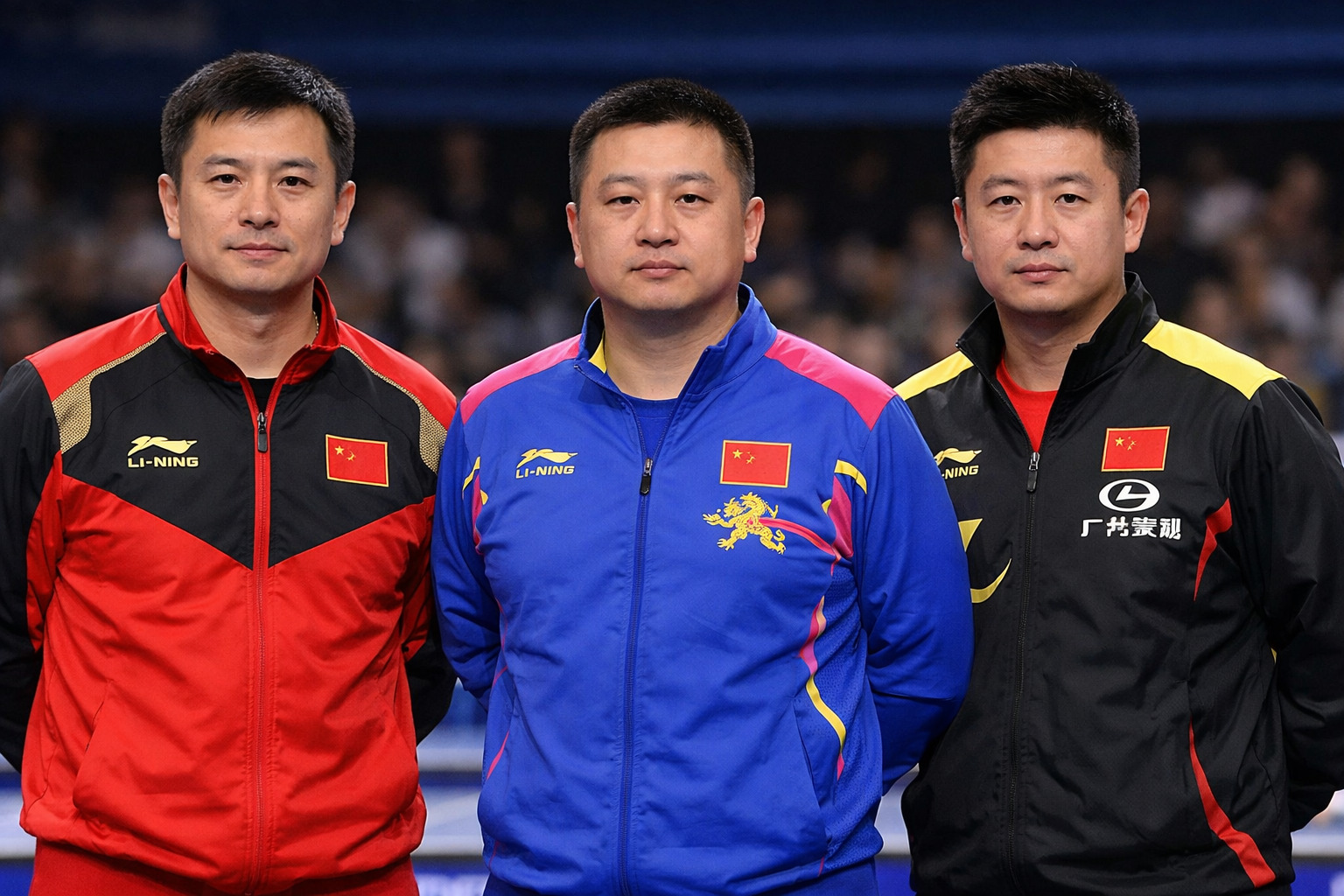
First, at the recently concluded Super League Grand Finals, Qin Zhijian appeared as the award presenter for the championship team. Many interpret this as a meaningful sign. Traditionally, for an event of this level, the table tennis association’s top figure would be the one to present awards. Qin’s appearance instead suggests strong trust from Wang Liqin, and perhaps even an intentional move to have Qin step into the spotlight ahead of the official decision.
Second, his seniority may make him the best fit to maintain balance within the leadership structure.
Among the three, some believe the alternatives could create avoidable complications—not because Ma Lin or Wang Hao lack ability, but because the overall “mix” may be less balanced. Ma Lin and Wang Hao belong to the same iconic generation of players, often referred to alongside Wang Liqin as part of the “two Wangs and one Ma” era. They were teammates, but also direct competitors.
In terms of playing achievements from that era, Ma Lin is often ranked highest, Wang Hao next, and Wang Liqin third. Today, Wang Liqin has transitioned from the Shanghai sports system into more of a management leadership pathway, while Ma Lin and Wang Hao are seen as more technical coaching leaders.
Now that Wang Liqin is leading the association, if the head coach role were to be chosen from only Ma Lin or Wang Hao, the third figure could understandably feel disappointed—and that emotional undercurrent might subtly affect unity and preparation during a crucial Olympic cycle. This coaching selection is a major decision, so every angle—performance, structure, psychology, and team harmony—must be carefully considered.
To ensure fairness and transparency, the process will reportedly be overseen not only by supervisory representatives, but also by association leaders, table tennis experts, and a panel that includes outstanding athletes serving as evaluators.
That final detail will likely catch many fans’ attention. Based on current expectations, veteran star Ma Long, the world No. 1 players Wang Chuqin and Sun Yingsha, along with core figures such as Wang Manyu and Lin Shidong, all have a strong chance of being included on the evaluation panel.
It also makes practical sense. The ultimate goal of appointing coaches is to better support the athletes—especially the national team’s core players—so putting the right people in the roles that matter most is the central priority.
Taken together, the most probable outcome appears to be Qin Zhijian as head coach, with Ma Lin and Wang Hao continuing as the women’s and men’s head coaches, and respected veteran coach Xiao Zhan taking a deputy head coach role.
If structured this way, the arrangement is seen by many as the most suitable—balancing experience, capability, and team dynamics.
What do you think—who is the best choice to lead the national team into the LA Olympic cycle?