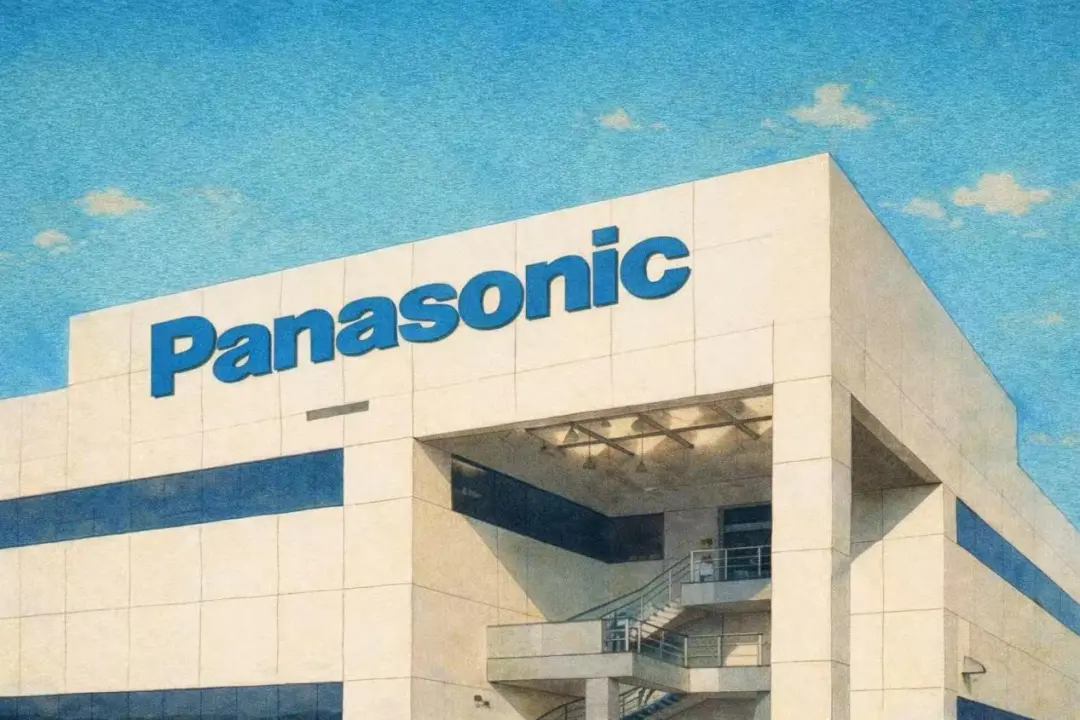
From Global Dominance to Strategic Decline: Panasonic’s Battery Setback
Panasonic was once synonymous with power batteries.Today, it is struggling to remain relevant. From ...
Panasonic was once synonymous with power batteries.
Today, it is struggling to remain relevant.
From January to October this year, Panasonic ranked seventh globally in EV battery installations, with 35.9 GWh—only a fraction of CATL’s output. In just a decade, the company has fallen from industry dominance to the margins of the market.
The reasons are not complicated—but they are deeply instructive.
1. Strategic Misjudgment at the Peak
Japan once dominated lithium-ion battery technology, and Panasonic stood at the center of that ecosystem.
Early investments in hybrid systems and battery manufacturing gave it unparalleled influence.
However, Japan’s strategic bet on hydrogen fuel cells—viewing lithium batteries as a transitional technology—proved to be a costly miscalculation. While Tesla and later Chinese manufacturers doubled down on pure electric vehicles, Japan hesitated.
The result was a lost decade.
2. The Tesla Partnership: A Double-Edged Sword
Panasonic’s survival hinged on Tesla.
From Roadster to Model S and the Nevada Gigafactory, Panasonic provided capital, capacity, and price concessions—often at the expense of profitability.
But Elon Musk’s logic is brutally simple: cost, scale, and speed.
Once Panasonic could no longer meet Tesla’s aggressive cost targets or support expansion in China, exclusivity vanished.
Without Tesla, Panasonic’s structural weaknesses became impossible to ignore.
3. China’s System-Level Advantage
The decisive shift came with China’s battery manufacturers.
CATL, BYD, and their peers built advantages not just in cost, but in scale, supply-chain integration, technological iteration, and policy alignment.
From LFP revival to sodium-ion and solid-state batteries, Chinese firms are redefining the industry’s technological frontier.
In this multidimensional competition, Panasonic is no longer setting the pace—it is struggling to keep up.
Conclusion
Panasonic’s decline reflects a broader reality:
In the EV era, sentiment and legacy offer no protection.
Strategic misalignment, overreliance on a single customer, and weak domestic industry support have pushed Panasonic toward the margins. Meanwhile, China’s battery champions are accelerating into a phase of sustained dominance.
In the energy transition, there is no pause button—and no room for nostalgia.
Trump Escalates Pressure: Threatens 25% Tariffs on Japan, Urges Market Opening
According to Japan's Jiji Press, U.S. President Donald Trump renewed his pressure on Japan during a July 15 interview, demanding market access and removal of non-tariff barriers. Trump warned that if Japan refuses to comply, the U.S. will impose up to 25% "reciprocal tariffs" starting August 1. The threat comes just days before Japan’s Upper House election, intensifying pressure on Prime Minister Shigeru Ishiba.
US Tariffs Hit Highest Level Since 1934, Households May Pay $2,400 More Annually
As Trump imposes "reciprocal tariffs," Yale warns of rising consumer costs and mounting economic pressure on American families
Trump Slams EU’s $3.5 Billion Fine on Google, Threatens to Invoke “Section 301”
EU Hits Google with Record FineOn September 5, the European Commission announced a €2.95 billion (ap...
Why Did She Take a Break for Depression? A Haidian Parent’s Journey Into Her Child’s Battle With Mental Health
Why Did Depression Lead to a School Break? A Haidian Mother and Her Child’s Journey Through the Psyc...
Mixue’s Lucky Cup Surpasses 10,000 Stores Worldwide, Closing in on Luckin and Cotti Coffee
On November 24, Jiemian News reported that Lucky Cup, the budget coffee brand under Mixue Group, has...
Singapore’s Core Inflation Eases to 1.2% in November
(Singapore, 24th) Singapore’s inflation has been stabilising, helped by softer inflation in retail a...
Four-Title Miss Hong Kong Winner Lee San San Spotted at Bakery, Seen Chatting Casually with Staff in a Return to Simple Life
(Hong Kong, 20th) Former Miss Hong Kong “four-title winner” Lee San San, now 48, once dominated the ...
78-Year-Old Liza Wang Returns to Shanghai for Ancestral Visit — Polo Shirt and Wide-Leg Pants Keep Her Youthful, While Law Kar-ying’s Look Also Turns Heads
As Qingming Festival approaches, themes of remembrance and homecoming grow stronger. At 78, Liza Wan...
Emotions Boil Over! Hosts France Slammed for Rough Fouls and Controversial Dive to Win Penalty as China Women’s Team Faces Questionable Calls—Post-Match Handshake Snub Sparks Debate
China U16 Women Beat England and France Back-to-Back, Host Team Refuses Handshake After Loss China U...
Li Ronghao Denies Plagiarism Allegations Over Little Eyes, Netizens Cite “Timeline Evidence” to Question His Claims
(Beijing, April 3) Chinese singer-songwriter Li Ronghao has once again come under scrutiny over copy...