“Electric Vehicles of the Sky”: How eVTOLs Outshine Helicopters
Electric Vertical Take-Off and Landing aircraft (eVTOLs) and helicopters are like twins in the sky: ...
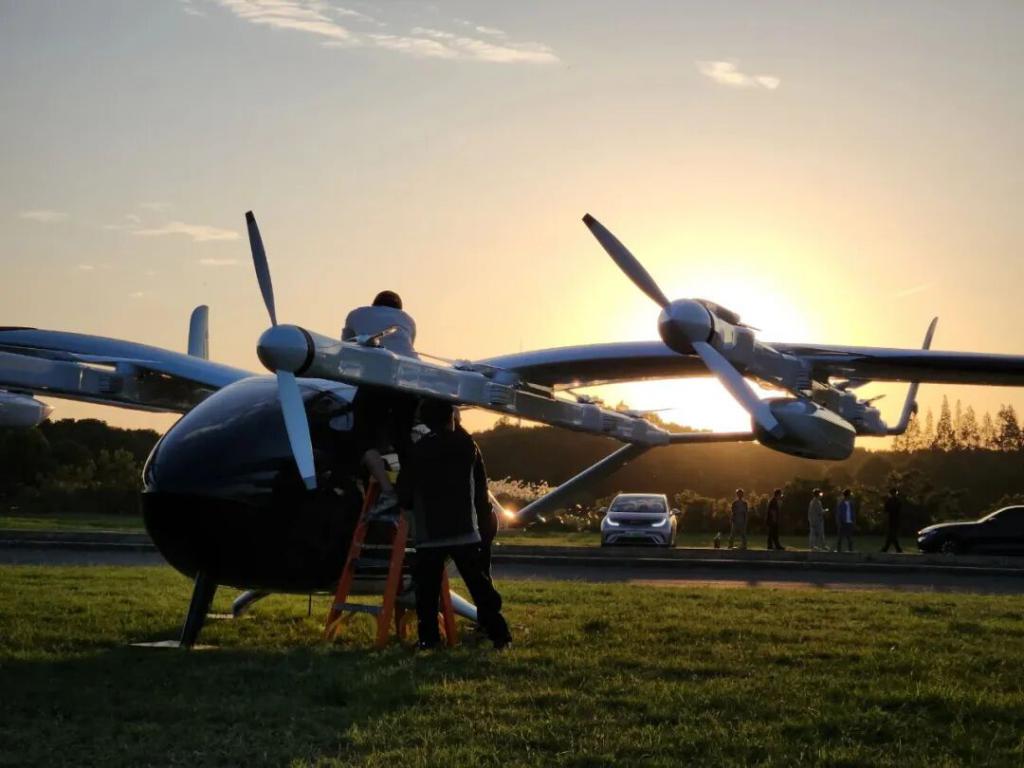
Electric Vertical Take-Off and Landing aircraft (eVTOLs) and helicopters are like twins in the sky: similar in appearance and vertical take-off capability, both can operate without runways, serving transportation, medical rescue, patrol, and tourism. Their core difference lies in the engine: eVTOLs run on batteries and electric motors, helicopters on fuel engines.
Though currently more expensive with shorter range, eVTOLs’ real advantages lie in strategic value and industrial potential. China’s eVTOL industry is rapidly expanding overseas, driven by national low-altitude economic policies, capital support, and reusable industrial chains. Controlled supply chains and autonomous technology make eVTOLs a new super terminal in aviation.
In manufacturing and operation, eVTOLs differ fundamentally from helicopters: distributed electric propulsion, modular batteries, advanced flight control, and composite materials reduce production and maintenance costs. Automation allows “one operator, multiple aircraft,” boosting operational efficiency and safety.
Beyond transportation, eVTOLs are strategic assets: powered by renewable electricity, they reduce fuel dependence and enhance energy security. Leveraging China’s mature EV and large aircraft industrial chains, eVTOLs form a fully integrated supply ecosystem. The low-altitude economy will magnify China’s industrial advantages and provide real-world testbeds for AI, 6G, and other emerging technologies.
The rise of eVTOLs marks a new era in aerial mobility—a triple revolution of technology, industry, and strategy.

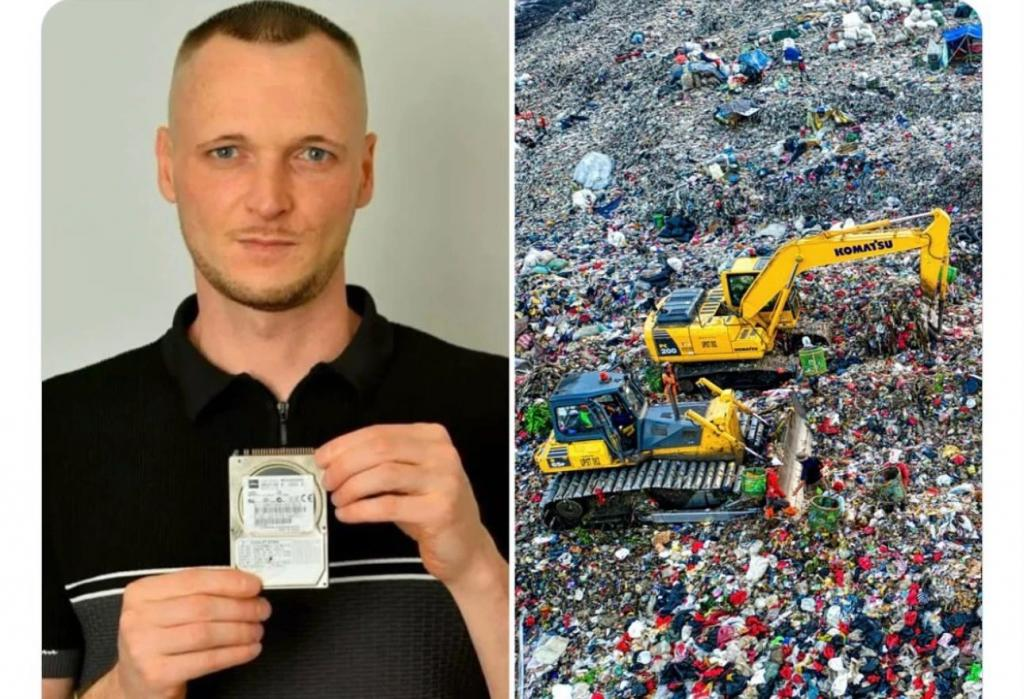
The $900 Million Bitcoin Lost Forever: UK Programmer Ends 12-Year Quest in a Landfill
What would you do if you accidentally threw away a fortune worth billions?For James Howells, a progr...
Yue Yunpeng's Quest for Culinary Perfection: The '588 Yuan Fried Rice' Uproar!
An unassuming price tag of 588 yuan for fried rice, a seasoned culinary master known as the "Fried R...

5,000 Employees Cut Overnight! Mercor’s Salary-Reduction Rehire Strategy Sparks Outrage
The world’s excitement for AI has never slowed. Tech giants are burning money at unprecedented level...
Wei Jianjun: Too Many “Smart Car” Hype Merchants—It’s Time for a No-Nonsense Buyer’s Anti-Scam Guide
Just days after “Yu Dazui” went on CCTV hyping that “L3 means you can sleep,” another heavyweight ap...

Regretful News: Yoshihiro Ban Leaves CSL as Contract Renewal Fails, Li Jinyu Loses Star Player
Since Liaoning Ironmen’s promotion to the Chinese Super League, the contract renewal of captain and ...
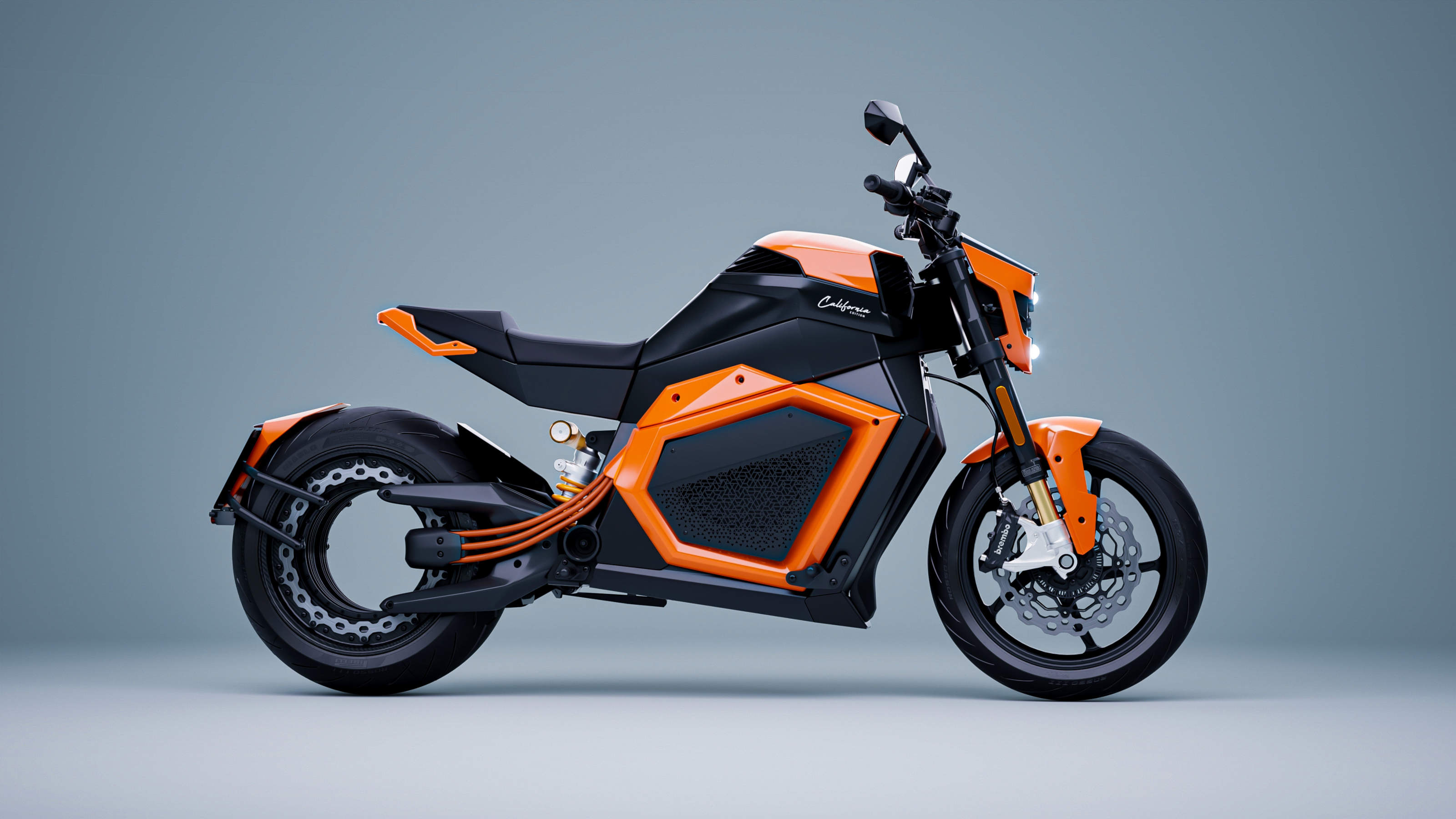
Shocking Price Tags in E-Motorcycles: Who Dares Charge Hundreds of Thousands?
The Verge TS Pro electric motorcycle that just showed up at CES is, frankly, playing a little “no me...

Yang Ming Talks Resignation in Live Stream: Head Coach Must Take Responsibility! Preliminary CBA Talks Underway
Since Yang Ming submitted his resignation, the Liaoning management has agreed. Today, Yang appeared ...
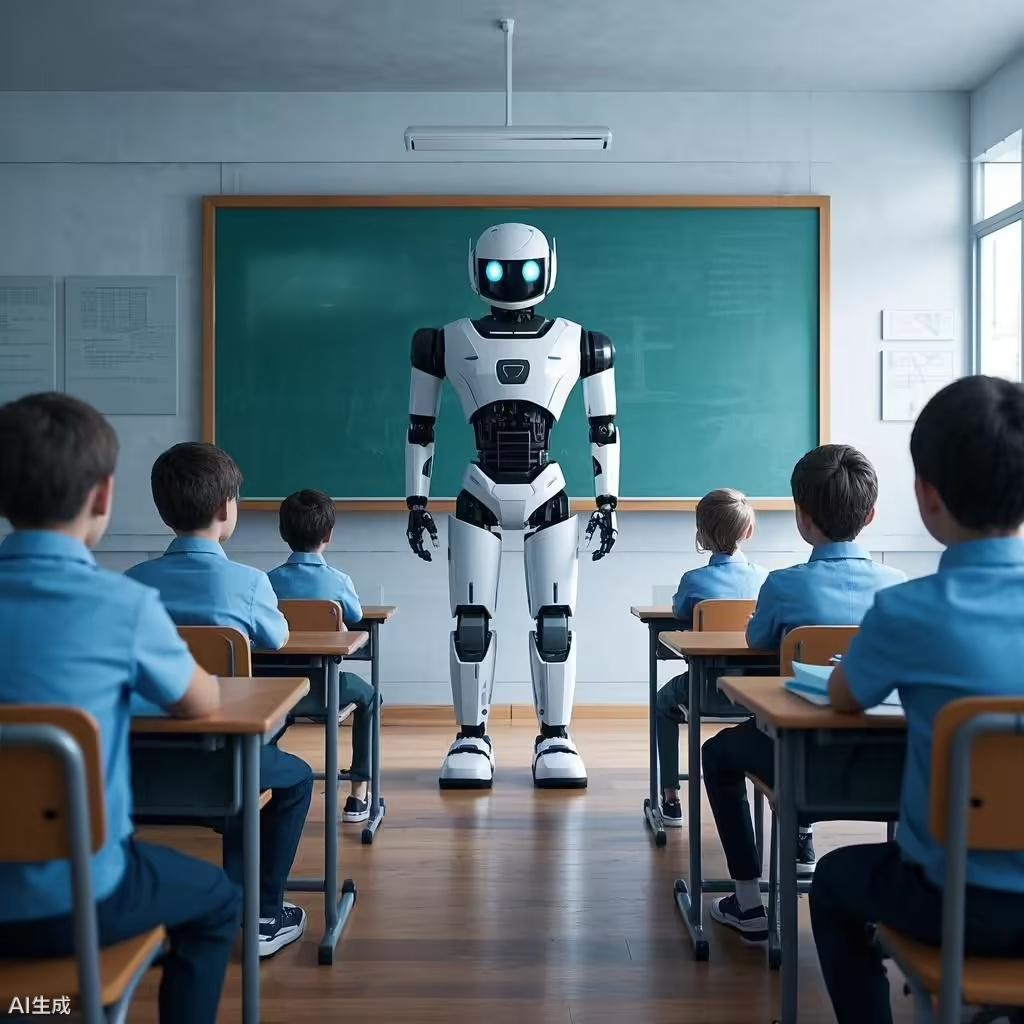
Walmart Exec Urges U.S. Workforce to Learn from China: “Kids as Young as 5 Are Learning DeepSeek”
According to Fortune, U.S. companies are accelerating AI training to prevent workforce obsolescence....

【Drama Review】Zhang Linghe and Wang Churan Reunite in an Emotional Romance as This Second, Too Much Premieres on July 19
KUALA LUMPUR, July 18 – Chinese stars Zhang Linghe and Wang Churan headline the new romance drama On...

Girls' Generation's Yuri to Leave SM Entertainment After 19 Years, Says Group Activities Will Continue
(Seoul, Aug. 1) Girls' Generation member Yuri has confirmed that she will part ways with SM Entertai...

Samantha Ko Responds Gracefully After New Hairstyle Draws Mixed Reactions
(Hong Kong, July 25) Hong Kong actress Samantha Ko has responded calmly after her new short hairstyl...