The global smartphone market in 2025 can be summarized with two words: clash and divergence.
Globally, Apple and Samsung remain dominant. According to IDC, global shipments reached 1.26 billion units, up 1.9% year-on-year. Apple shipped 248 million units (+6.3%), Samsung 241 million units (+7.9%), together capturing nearly 40% of the market and the majority of profits.
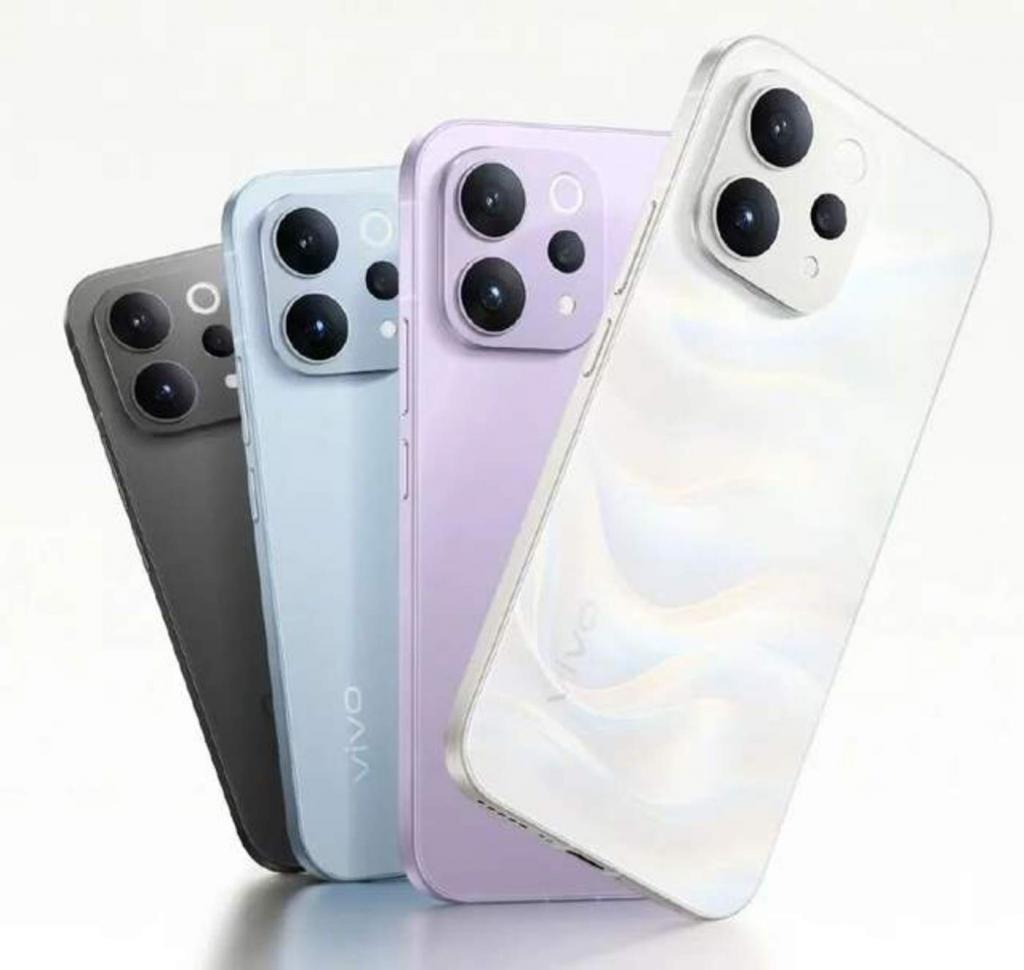
The next three brands showed clear divergence: Xiaomi shipped 165 million units (share 13.1%), vivo slightly increased to around 8% (ranked 4th), and OPPO fell to 8% (ranked 5th).
In China, competition was fiercer. Total smartphone shipments reached 285 million units, down 0.6% YoY. Huawei edged out Apple (46.7M vs 46.2M units) to reclaim the annual top spot for the first time in five years. Apple, however, rebounded strongly in Q4, maintaining high-end market dominance. Meanwhile, vivo, Xiaomi, and OPPO fought for survival amid fierce competition.
Huawei vs Apple: The Throne Battle
Huawei leveraged in-house Kirin chips, a rich product lineup (flat + foldable), and a mature HarmonyOS ecosystem to regain the crown. Huawei captured 69% of the domestic foldable market, gaining profits and boosting brand prestige. Apple, although losing the annual crown, achieved a strong Q4 with a 21.1% share, demonstrating its solid brand pull.
The Survival of Xiaomi & OV
vivo maintained domestic stability but faced limits in premium expansion; Xiaomi aggressively pursued global markets, though high-end progress relies on automotive ecosystem integration; OPPO, while product-strong, suffers from limited brand recognition. All three are caught in a competitive squeeze, where weaknesses are amplified.
2026 Key Variables: Rising Memory Costs, Foldable Phones, AI Smartphones
Memory chip shortages and soaring prices threaten profit margins of mid-range phones. Foldable devices will become a premium standard, with Apple, Huawei, and Samsung investing heavily. AI smartphones will expand, with OS-level intelligence becoming the core battlefield.
Conclusion: In 2026, the smartphone market may shrink by 3%-4%, but high-end segments will expand and profits concentrate. Winners will be those with ecosystem synergy, brand premium, core technology, and strong supply chains; weaker players will be squeezed out. The competition is no longer just about hardware—it’s now an ecosystem and technology war.