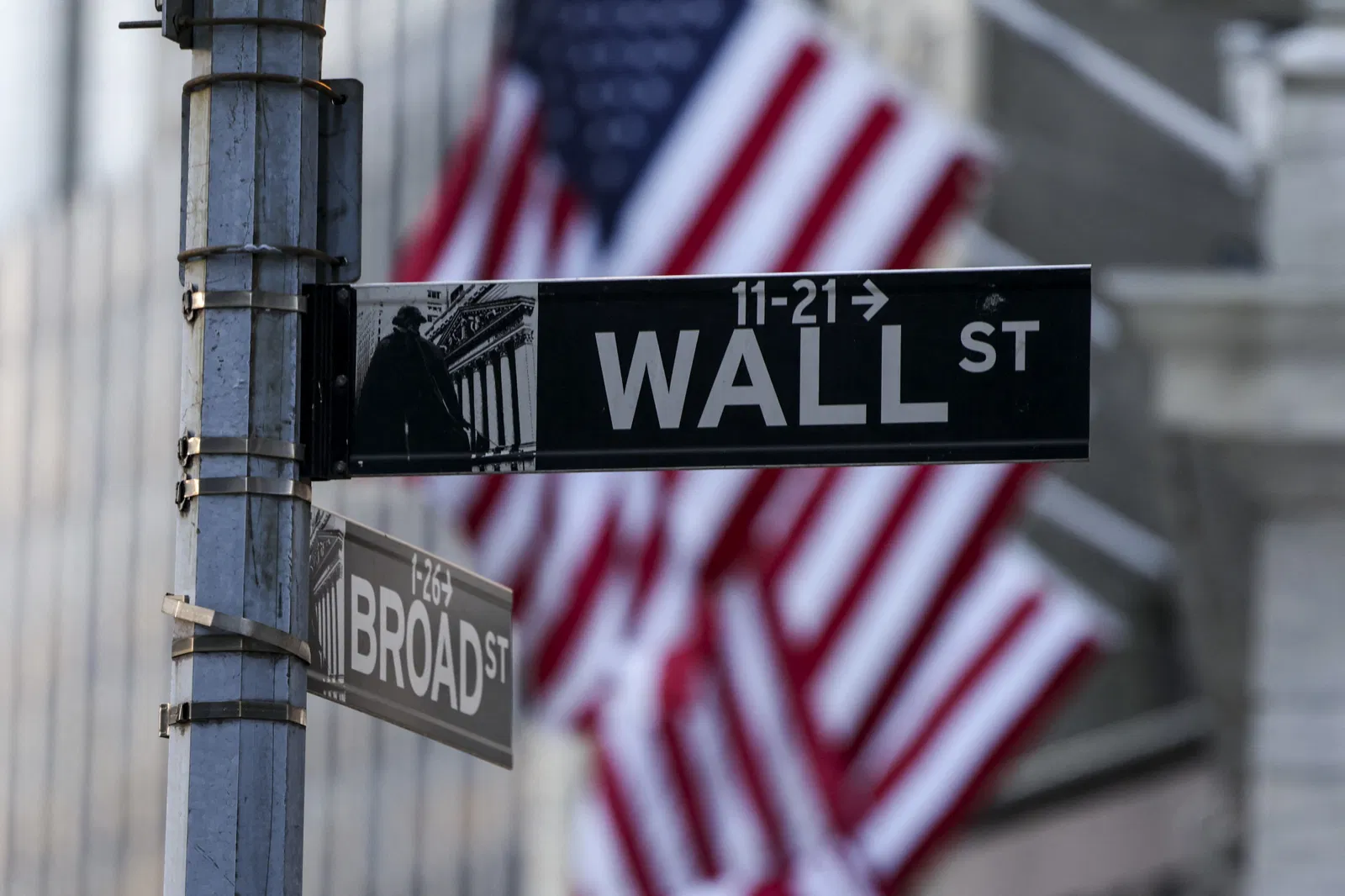
(New York, Jan 21) After U.S. President Donald Trump threatened tariffs against multiple European countries and his stated ambitions regarding Greenland fueled a deepening standoff, U.S. markets suffered a “triple hit” on Tuesday (Jan 20) as stocks, bonds and the dollar weakened together—reigniting Wall Street’s “Sell America” trade.
As tensions escalated, the S&P 500 fell 2.1%, erasing all gains recorded since the start of 2026. The VIX, a key gauge of implied equity volatility, jumped to its highest level since November. Long-dated U.S. Treasury yields also surged to a four-month high, with investors reacting as well to reports of panic selling in Japanese bonds and news that a Danish pension fund may exit U.S. Treasuries.
In currencies, the dollar slipped against most major peers, with the ICE U.S. Dollar Index dropping by nearly 100 points over the first two trading days of the week.
An industry measure tracking average returns across major ETFs linked to U.S. equities, Treasuries, corporate credit and Bitcoin showed Tuesday marked the worst U.S. market session since last April’s “Liberation Day” tariff-driven selloff.
Krishna Guha, Vice Chairman at Evercore ISI and head of global policy and central bank strategy, said the move reflected a renewed “Sell America” impulse amid broader global risk aversion, as investors seek to reduce or hedge exposure to what they view as a more volatile and less reliable U.S. risk profile. The scale and duration of the shift, he added, remain uncertain.
Market leadership also shifted: the S&P 500 posted its biggest one-day drop since October, small caps outperformed the benchmark for a 12th straight session, and a widely watched basket tracking mega-cap tech slid 3.1%.
While traders earlier this year had shown resilience in absorbing a series of surprises, the recent spike in volatility suggests investor tolerance for ongoing shocks is fading. Victoria Greene, Chief Investment Officer at G Squared Private Wealth, said “Tariff War 2.0” is intensifying and could spark significant near-term turbulence, largely depending on developments in the coming weeks. She added markets are not yet in outright capitulation, but are closely monitoring risks and preparing for further swings.
Michael O’Rourke, Chief Market Strategist at JonesTrading, argued that with uncertainty rising rapidly, the market reaction is appropriate. He noted that if tariffs are implemented—or if the U.S. were to illegally annex Greenland—equity declines could be far more severe.
Kyle Rodda, an analyst at Capital.com in Melbourne, said some see this as another “TACO” moment, suggesting Trump may “back down” when the backlash hits. But he cautioned that outcome is not guaranteed—especially given Trump’s apparent determination on Greenland and Europe’s stronger resistance to perceived coercion.
Notably, the selloff came even as Bank of America’s latest fund manager survey showed equity optimism at a near five-year high, while downside protection had fallen to the lowest level since 2018. BofA’s chief strategist Michael Hartnett said that with indicators signaling an “extremely bullish” stance, it may be time to increase hedges and defensive exposure.