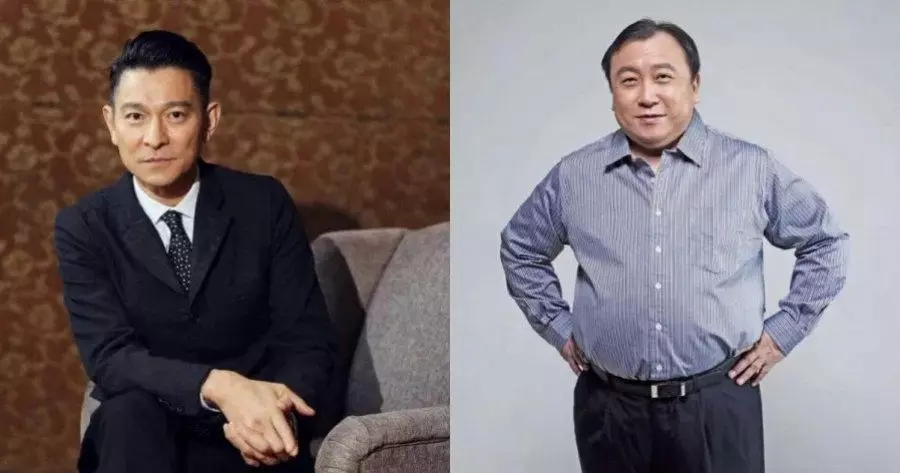
(Hong Kong, Jan 23) Veteran Hong Kong director Wong Jing has recently been sharing behind-the-scenes stories from the film industry on social media. In one of his videos, he spoke candidly about the long-standing and dangerous connections between the entertainment industry and organized crime, revealing that even top stars such as Andy Lau were once forced into projects.
According to local media, Wong recalled multiple violent incidents from his past, describing an era where shootings occurred outside film companies, armed men threatened managers for scheduling rights, and extreme violence was not uncommon. “I’ve seen everything,” he said, referring to kidnappings, beatings, and intimidation that were part of the industry’s darker side.
Wong also recounted a personal experience during a film shoot. After declining a drink offered by a local gang figure, the man later returned with hundreds of followers demanding protection money. At the time, actresses Cherie Chung and Sharla Cheung were on set, prompting Wong to prepare emergency plans to protect the cast. Although no violence erupted, he admitted that such conflicts were often resolved with money and were frequent during that period.
In another incident while filming in Sai Kung, actor Shing Fui-on became the target of gang retaliation following a dispute. Wong chose a cautious approach—quietly mobilizing support, alerting the police, and relying on visible patrols to deter violence. The gang eventually dispersed.
Wong also revealed that he himself had been assaulted by a group of six people, explaining that such attacks were often meant as warnings rather than assassination attempts. He concluded by explaining the grim logic of organized crime tactics at the time—lessons learned from firsthand experience in a turbulent era of Hong Kong cinema.