United Nations on the Brink of a Financial Crunch: Funding May Last Only Six More Months
In a recent letter to member states, the UN Secretary-General warned that the organization is at ris...
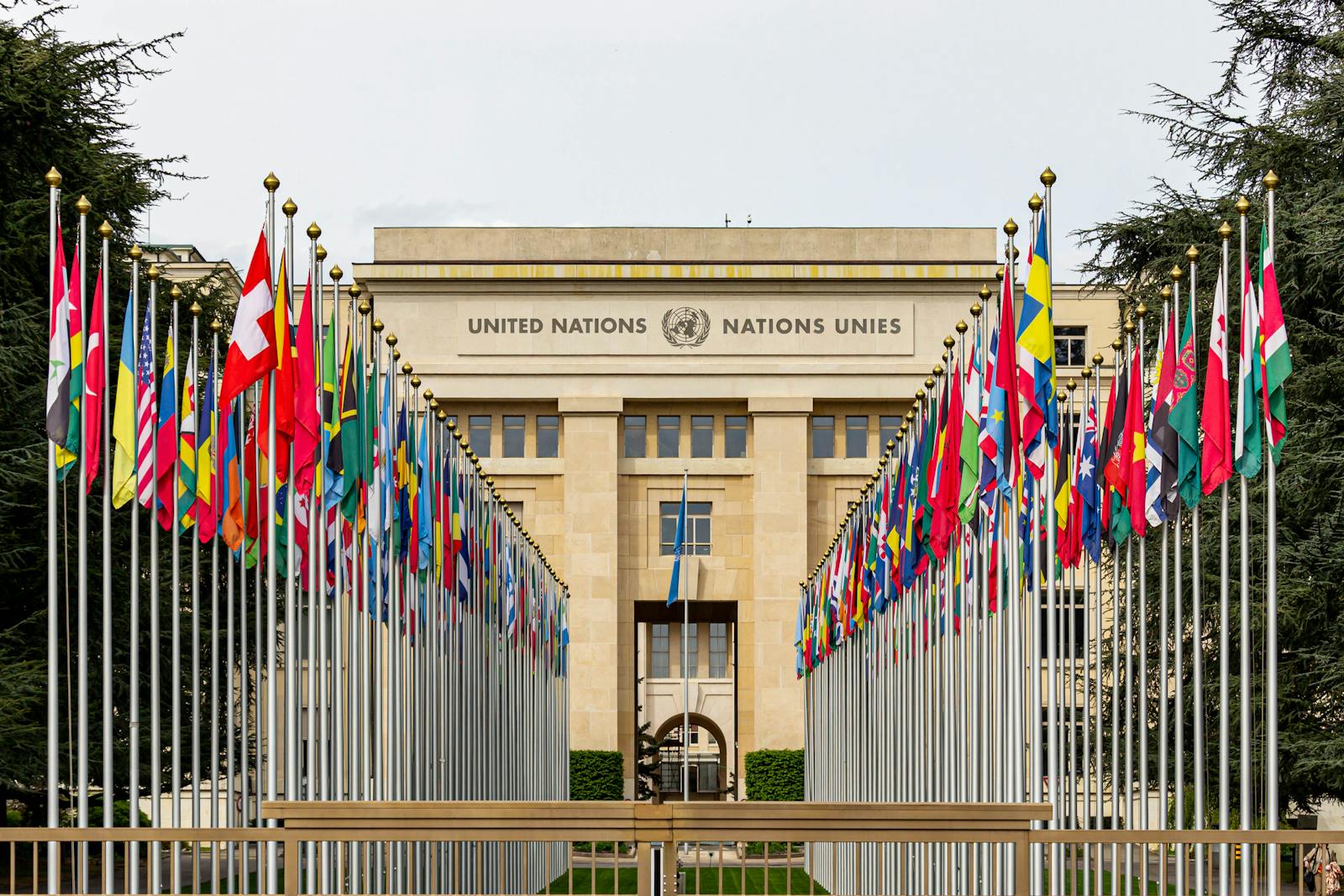
In a recent letter to member states, the UN Secretary-General warned that the organization is at risk of an “imminent financial collapse,” driven by widespread unpaid dues and a budget rule that requires the UN to return unspent funds.
While the Secretary-General has previously highlighted the UN’s worsening liquidity strain, this message is his strongest warning to date.
The alarm comes as the United Nations faces sharper pressure from shifting multilateral dynamics—most notably as the United States, its largest contributor, steps back in several areas. The U.S. has significantly reduced voluntary contributions to UN agencies and has also declined to pay certain mandatory assessments tied to the regular budget and peacekeeping.
A financial crunch that’s escalating
On January 28, António Guterres wrote to ambassadors that the situation is deteriorating, threatening program delivery and raising the possibility of a full-scale financial breakdown—one that could worsen further in the near term.
Founded in 1945 and comprising 193 member states, the UN works to maintain international peace and security, advance human rights, support social and economic development, and coordinate humanitarian assistance.
Under UN rules, assessed contributions are calculated based largely on a country’s economic capacity. The United States accounts for 22% of the core budget, while China contributes 20%.
According to Guterres, by the end of 2025, outstanding unpaid assessments reached a record $1.57 billion—though he did not name which countries are in arrears.
He underscored that the UN now faces a clear choice: either all member states meet their obligations in full and on time, or member states must fundamentally reform the UN’s financial rules to avert the looming crisis.
The U.S. arrears and voting-rights concerns
UN officials have previously said the United States currently owes $2.19 billion to the UN regular budget, plus $188 million for current peacekeeping operations and $52.8 million related to past peacekeeping missions.
This unfolds as the U.S. continues to pull back from multilateral engagement across multiple fronts. President Donald Trump has said the UN has “tremendous potential” but has not lived up to it, and he has recently established what he called a “Peace Commission,” prompting concern among some observers that the UN’s influence could be weakened.
According to CCTV News, the UN Secretary-General’s spokesperson warned on January 8 that if the United States continues to fall behind on its assessed contributions, it could eventually lose its voting rights in the United Nations General Assembly.
The spokesperson confirmed that the U.S. did not pay its dues last year and noted that this outcome would follow established rules—specifically Article 19 of the United Nations Charter—rather than any discretionary decision by the Secretary-General.
Funding could run out before July
To address cost pressures and boost efficiency, Guterres launched a reform task force known as “UN80.” As part of the broader effort, member states agreed to cut the UN’s 2026 budget by roughly 7%, bringing it down to $3.45 billion.
Even so, Guterres cautioned in his letter that the organization could still run out of funds before July this year.
He also pointed to an additional structural challenge: some financial rules are outdated. One such rule requires the UN to return hundreds of millions of dollars each year from unused member-state contributions.
In Guterres’s words, this creates a “Kafkaesque” loop—forcing the UN to refund money that, in practical terms, it does not actually have available.

Dia AI Browser: Making the Internet Smarter but Raising Some Concerns
In the information-heavy year of 2025, we face countless web pages and data. Although traditional br...

Tesla Unveils Model Y L: Six Seats and Extra Space, but Can It Compete with True Full-Size SUVs?
Tesla has just signaled a new variant in its China-market lineup: the Model Y L (Long). With a stretched wheelbase, a three-row “2+2+2” six-seat layout, and higher output dual motors, it targets families needing more room. Yet against a flood of genuine large six-seat SUVs and MPVs, the Model Y L’s chances for mass appeal remain in question.
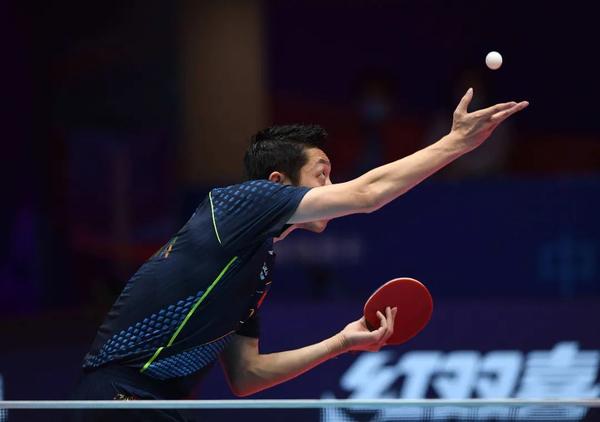
Xu Xin Heads Home! Masked and Capped at the Airport, Waves Goodbye as He Withdraws from Final Two Matches
On the afternoon of August 31, table tennis star Xu Xin was spotted at the airport, heading home ahe...

Huawei Mate XTs Review: A Stronger Triple-Fold at ¥2000 Less – The Start of Practical Foldables?
A year has passed, and once again, the world’s second mass-produced triple-fold smartphone is from H...

Lei Jun on Xiaomi SU7 Ultra’s Nürburgring Run: 21 Emails and a Dream Realized
At his 2025 Annual Speech on September 25, Lei Jun shared the remarkable journey of Xiaomi SU7 Ultra...

Microsoft Launches New Round of Layoffs: Shanghai Azure Cloud Team Hit, Compensation Set at N+4
Microsoft Initiates Another Round of Layoffs: Shanghai Azure Cloud Team Among Those Affected, Compen...

Jordan Chan Faces Backlash! New Film Accused of Plagiarism and Pushing Boundaries with Vulgar Content
Jordan Chan’s Fall from Grace: From Iconic Star to Web Movie Controversy Once a symbol of Hong Kong ...

The 50-Yuan-Per-Gram Gold ‘Dupe’: Young People Mock It Publicly—Then Quietly Snap It Up in Droves
A bracelet that looks solid and heavy—yet inside, it’s thick silver. “Be honest: are you buying gold...
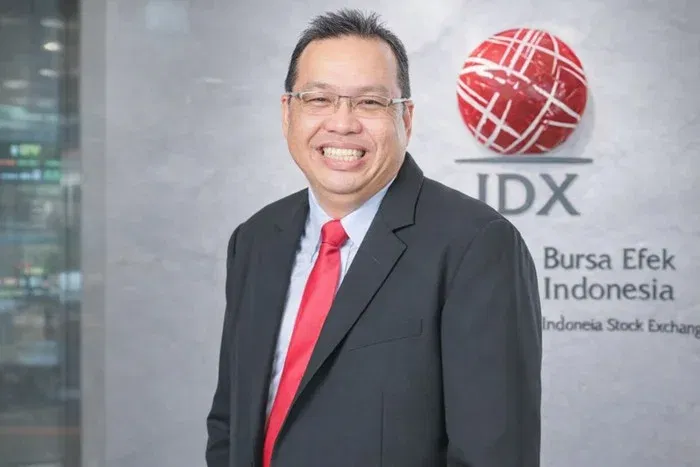
A stock crash cost him his job — Indonesia Stock Exchange CEO resigns!
(Jakarta, Jan 30)The CEO of the Indonesia Stock Exchange (IDX), Iman Rachman, said he will step down...
Flying Fairy Moutai Rallies for Three Straight Days, Retail Price Hits RMB 1,860 per Bottle — How Long Can This Upswing Last?
On January 30, the market wholesale price of Flying Fairy Moutai rose for the third consecutive day....

Djokovic Backs Eileen Gu Twice in Two Days: Hard Work Builds Confidence
At the Milan Winter Olympics, 22-year-old Chinese freestyle skiing star Eileen Gu delivered a stella...

44-Year-Old Korean Actor Lee Sang-bo Passes Away — Previously Cleared After Drug Allegations Reversal
(Seoul, March 28) South Korean actor Lee Sang-bo has reportedly passed away at the age of 44. He was...