Pingtouge shifts its AI chips from internal use to external sales, expanding into the broader market
In September 2025, a brief frame in China’s national news broadcast showed a performance comparison ...
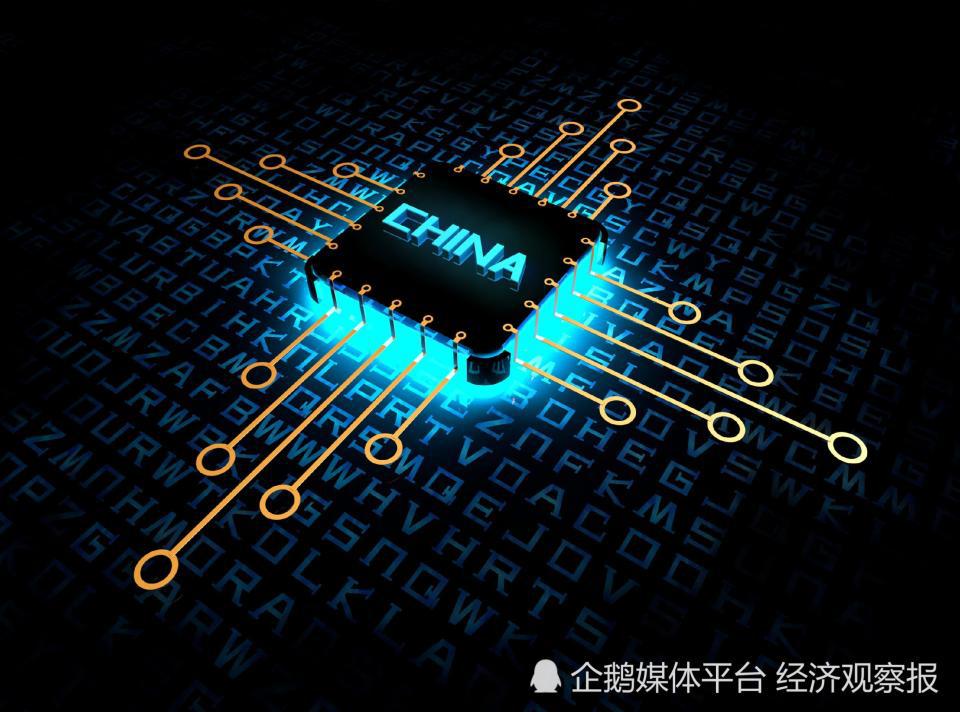
In September 2025, a brief frame in China’s national news broadcast showed a performance comparison between a domestic AI chip and Nvidia hardware. Industry insiders quickly identified the chip as a long-secret PPU (Parallel Processing Unit) developed by Alibaba’s semiconductor arm, T-Head. That single second effectively ended years of quiet development.
On January 29, 2026, T-Head officially unveiled its high-end AI chip, “Zhenwu 810E,” positioned against Nvidia’s H20, announcing shipments of several hundred thousand units. A new AI chip is reportedly in the pipeline.
T-Head was born out of Alibaba’s need for “computing power independence.” Alibaba launched the DAMO Academy in 2017 and formally established T-Head in 2018 after integrating chip assets. Its first AI chip, Hanguang 800, debuted in 2019. Development of its PPU architecture began quietly in 2020.
The Zhenwu 810E features a proprietary parallel architecture, 96GB of HBM2e memory, and 700GB/s interconnect bandwidth, targeting AI training, inference, and autonomous driving.
For years, T-Head mainly supplied chips internally to Alibaba, seen as a cost center. Now, with shipments in the hundreds of thousands and over 400 external clients—including State Grid and XPeng—its role is shifting toward a commercial growth engine.
Reports in early 2026 suggest Alibaba may pursue an independent listing for T-Head. Analysts expect Chinese AI chipmakers to gain share in 2026, with T-Head projected at around 5%. However, advanced process constraints remain a challenge, and its long-term capital story will depend on ecosystem strength and execution.

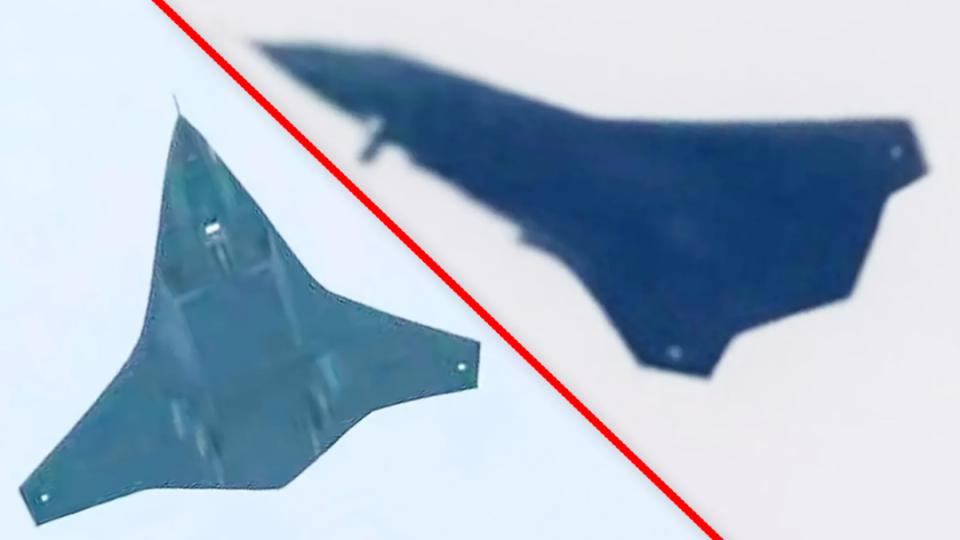
China’s Suspected Third Sixth-Generation Fighter Emerges: Carrier-Based Jet or Advanced Autonomous Combat Drone?
Recent photos circulating on social media have sparked intense debate in military circles — a suspec...
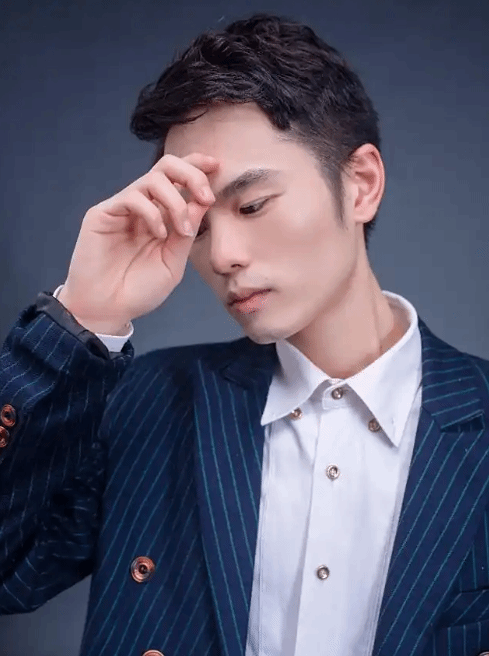
A Streamer's Struggle: League of Legends Personality Diagnosed with Kidney Disease
In a heartfelt post on his Douyin account, renowned League of Legends streamer "Captain October" sha...

In Just 18 Days, Three Foreign Tennis Players Criticize China Over Food, Pollution, and Health Concerns
On October 5, French tennis player Lindekoné, currently competing in the Shanghai Masters, stirred c...
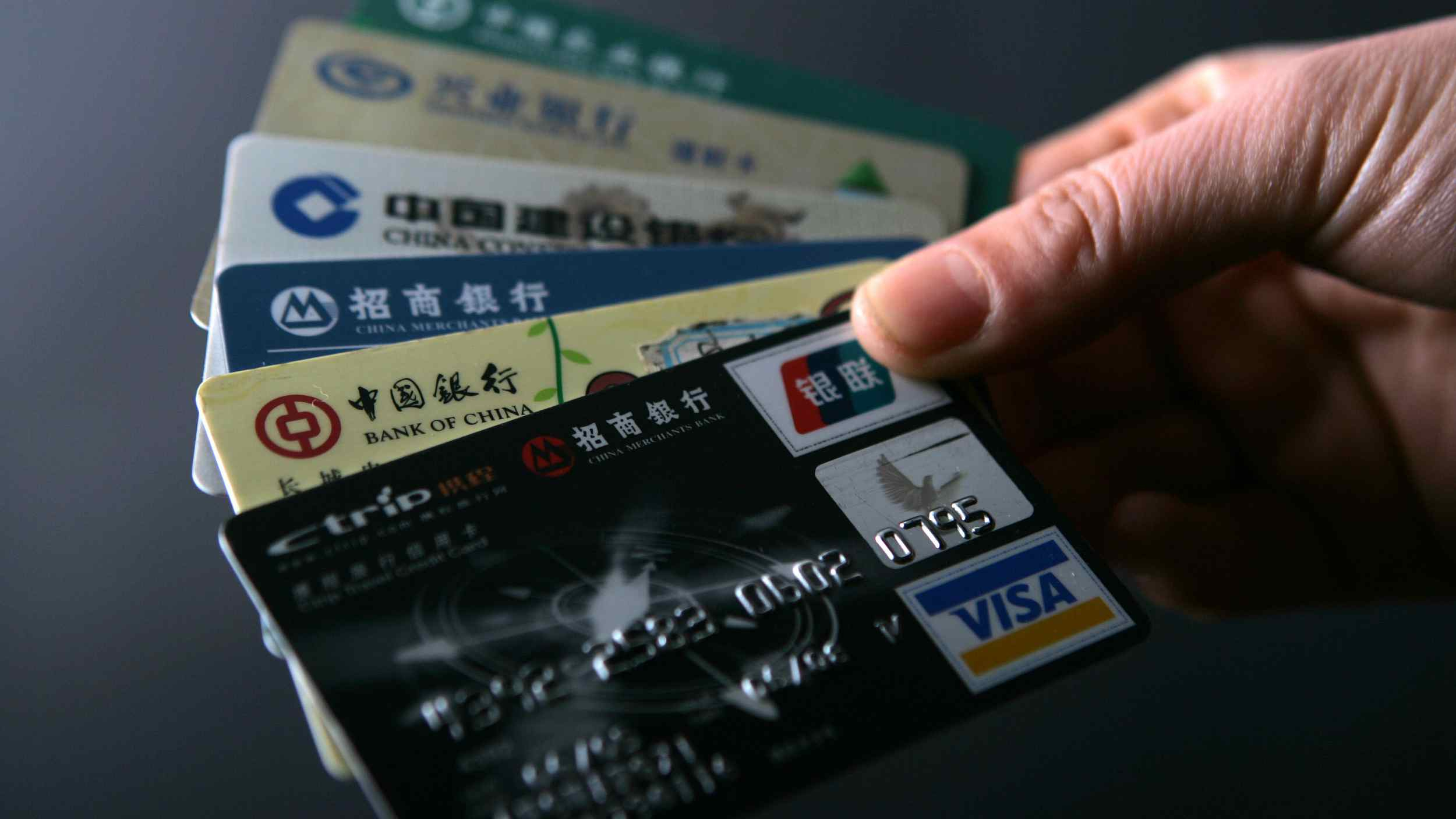
China’s Credit Card Market Continues to Shrink, Down 100 Million Cards in Just Three Years
China’s Credit Card Base Shrinks by Another 8 Million in Q3, Down Nearly 100 Million in Three Years ...
He’s Back—Everyone Take Note! Barcelona’s True Talisman Returns from Injury and Decides It with One Stunning Strike!
Stop overhyping Yamal and Pedri. If there was one decisive factor in Barcelona’s derby win, it was t...

A Heartwarming Football Moment: Senegal Fans Crowdsource $70K for Coach, He Declines
On January 19, Senegal won the Africa Cup of Nations, defeating Morocco 1-0. During the final, head ...

Ford CEO Farley speaks again on China’s auto industry: every global automaker must confront the challenge
On Feb. 10, Nikkei Asia reported that Ford President and CEO Jim Farley described China’s auto indus...
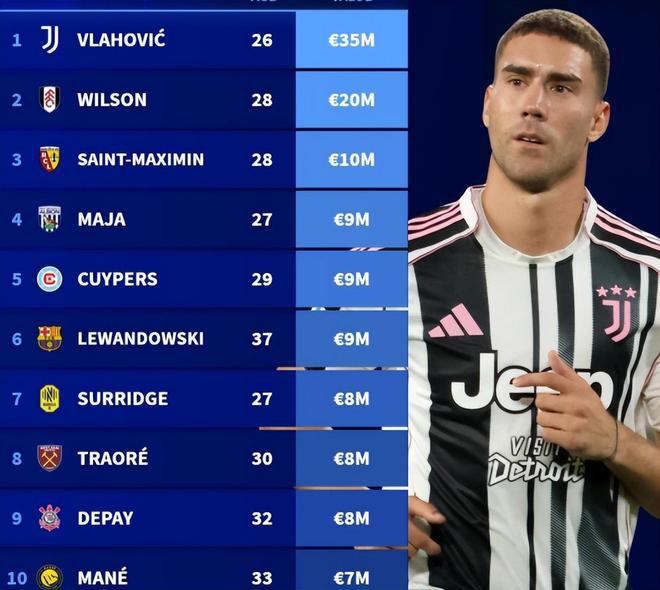
Champions League Round of 16: 12 Spots Confirmed, All Premier League Teams Advance, Serie A Faces Possible Shutout
Four second-leg fixtures of the Champions League qualifying playoffs took place. Atl...
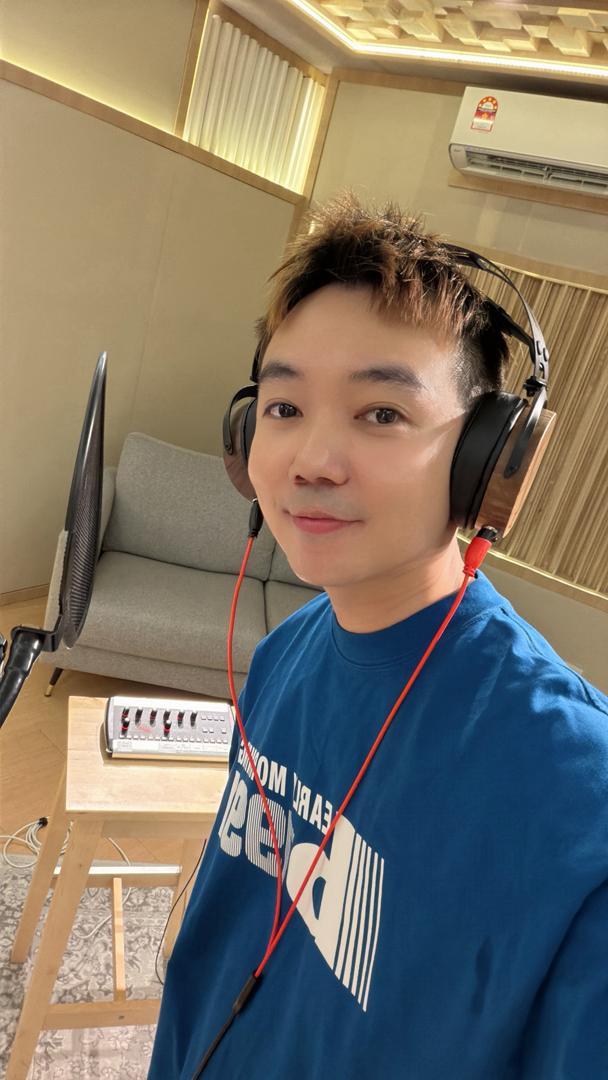
After 7 Years, Eric Su Returns with New Single “Mountain Mist”
(Kuala Lumpur, 23rd) After a seven-year hiatus, musician Xue Bing Jin returns with his new single Mo...

World Cup 48-Team Population Snapshot: USA Takes the Lead, Curaçao Makes History, Top 5 Most Populous Nations Nearly Eliminated
On April 1 (Beijing time), Iraq’s 2–1 victory over Bolivia officially completed the lineup for the 2...
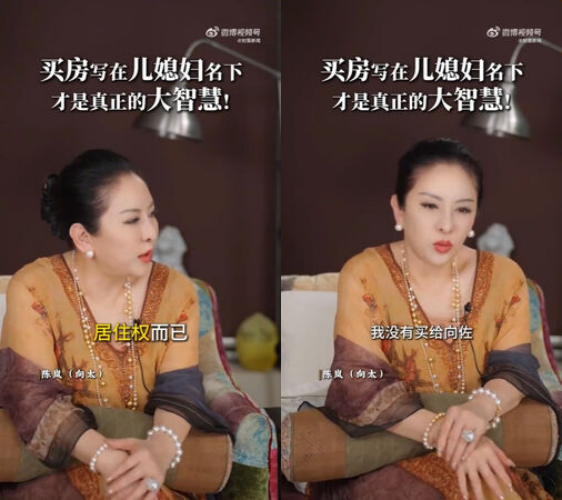
Deanna Wong registers property under Bea Hayden’s name, “three key reasons revealed,” while Jacky Heung reportedly holds only residency rights
(Hong Kong, April 15) Tiffany Chen, widely known as “Mrs. Heung,” recently shared her family philoso...