Trump Bans Anthropic, Shakes Silicon Valley, OpenAI Shows Rare Support
What kind of event could bring OpenAI and Anthropic, fierce competitors, onto the same side? This Fr...
What kind of event could bring OpenAI and Anthropic, fierce competitors, onto the same side? This Friday, former President Trump posted on social media, accusing AI company Anthropic of attempting to “coerce” the Pentagon into accepting its terms and instructing all federal agencies to immediately stop using its products. Shortly after, U.S. Secretary of Defense Hagerty labeled Anthropic a “national security supply chain risk,” effectively barring any contractors from working with the company.
Legal experts called this unprecedented—historically, such measures only applied to foreign companies deemed security risks. If upheld, it could seriously disrupt Anthropic’s operations, making other businesses hesitant to use its AI model, Claude. Since Anthropic relies entirely on cloud providers like AWS and Google Cloud for training and running models, the directive puts these giants in a tough spot: billions in defense contracts versus providing AI hosting, and the Pentagon’s priority is clear. Anthropic has indicated potential legal action, but assured that customer operations remain unaffected.
The controversy stems from Anthropic’s disagreement with the Pentagon over the use of advanced AI in military applications. Anthropic holds a $200 million contract, with Claude integrated into certain military systems, including classified networks. However, the Pentagon demanded “unrestricted access” to the AI systems, which Anthropic refused. Trump personally intervened, issuing a comprehensive ban on February 27 with a six-month transition period, threatening “serious civil and criminal consequences” if Anthropic failed to comply.
The tech world erupted. Previously criticized for accusing rivals of “model distillation,” Anthropic now received public backing from major players like OpenAI and Google. Most notably, OpenAI CEO Sam Altman voiced support—even with intense commercial rivalry, the companies stood together against Pentagon pressure. Altman emphasized that the issue goes beyond Anthropic—it’s about industry ethics: AI must not be used for mass surveillance or autonomous lethal weapons, and high-risk decisions must always involve human oversight.
Employees also rallied. Hundreds of OpenAI and Google staff signed an open letter, “We Will Not Be Divided,” expressing strong support for Anthropic and urging leadership to maintain ethical standards, rather than exploiting competition to sow division. Such cross-company solidarity is rare in the AI industry.
Not all companies took the same stance. Elon Musk’s xAI agreed to the Pentagon’s terms, potentially taking over some military AI contracts. Meanwhile, xAI co-founder Toby Pohlen resigned, planning to rest, reflect, and chart his next steps.
Currently, the Anthropic crisis remains unresolved. The Pentagon has agreed to OpenAI’s “secure deployment in classified environments” framework, though contracts are pending; Anthropic’s major deals may shift to OpenAI. The outcome of this showdown could fundamentally reshape the tech industry landscape.
ByteDance Unveils GR-3: A General-Purpose Robot “Brain” That Learns New Tasks with Minimal Data and Masters Flexible Objects
On July 22, ByteDance’s Seed team introduced GR-3, a next-generation Vision-Language-Action (VLA) model. Unlike previous systems that require massive robot trajectory datasets, GR-3 can be efficiently fine-tuned on new tasks or unseen objects with just a handful of human demonstrations. It understands abstract language commands and performs dexterous manipulation of soft objects.
Metals Retreat Across the Board: Silver Plunges 16%, Gold Nears $4,300, Mining Stocks Slump
The precious metals market experienced extreme volatility on Monday, giving back gains shortly after...
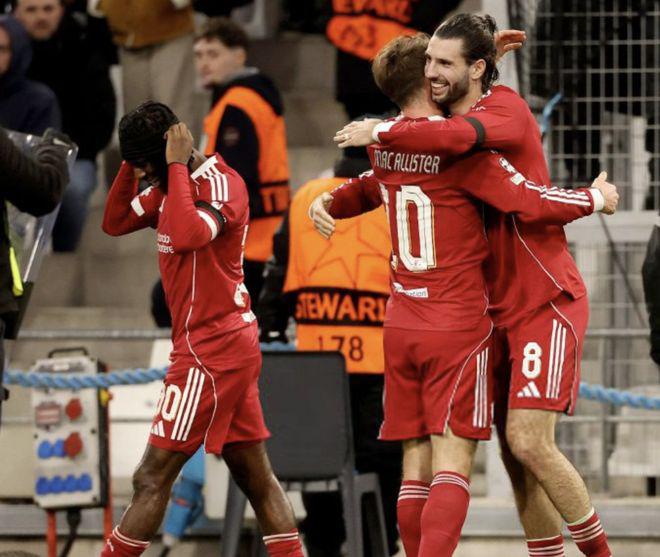
Drama Ahead: Final Champions League Round Sees 18 Matches Kick Off Simultaneously, 32 Teams Still Alive
On January 22, Matchday 7 of the UEFA Champions League league phase concluded, revealing a standings...
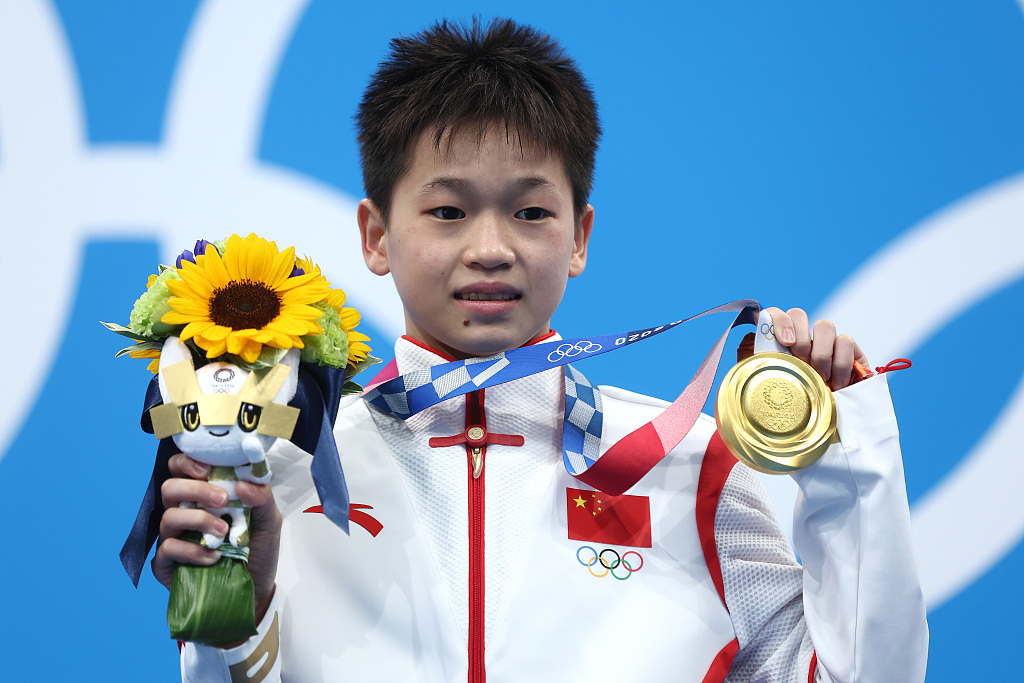
Surprising Twist: Chinese Diving Star Quan Hongchan Featured on a U.S. High School Chemistry Exam—Her “Splash-Disappearing” Technique Earns Creative Praise and National Pride
Recently, a netizen studying in the United States shared an eye-catching post: Olympic diving champi...

As the “meme” effect gains full momentum, American Eagle Outfitters returns to the spotlight on Wall Street.
(New York) — The New York Stock Exchange (NYSE) welcomed an unusual opening-bell guest on Monday (9)...
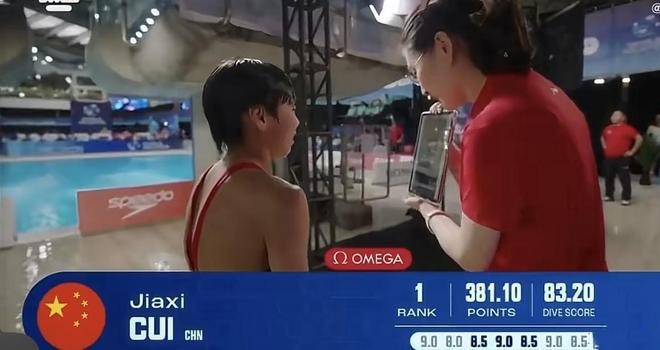
FIBA World Cup Qualifiers: Day 1 Best Five – Hu Jinqiu Leads with 20+12, Naturalized Player from Chinese Taipei Included
FIBA announced the Best Five lineup for the first day of the second window of World ...
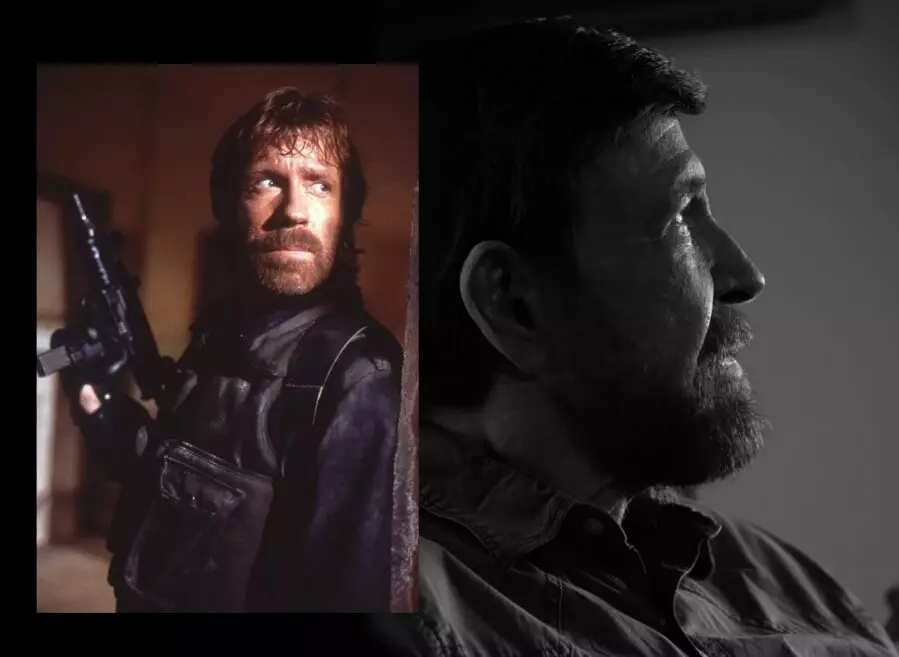
Legendary American Actor and Martial Arts Champion Chuck Norris Reportedly Passes Away, Family Confirms with Grief
(Hollywood, 20th) Legendary American actor and martial artist Chuck Norris has reportedly passed awa...

Dee Hsu’s Daughter Slammed by Trolls for “Skipping Studies to Marry Rich” — Younger Sister Fires Back: “We Already Are”
(Taipei, March 31) Alice Hsu, the youngest daughter of Taiwanese celebrity Dee Hsu (Little S), recen...
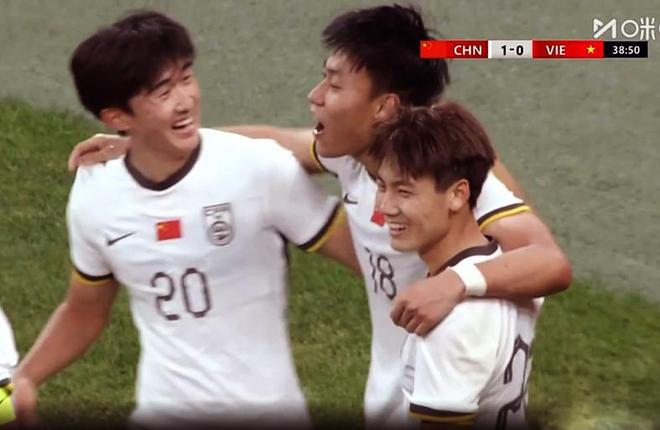
Tension builds for the Lian–Lu clash! Xie Wenneng suspended, Peng Xiao clears injury scare, while Mao Weijie’s injury could force changes at left-back
With the international break concluded, attention shifts back to domestic leagues. The reality is cl...
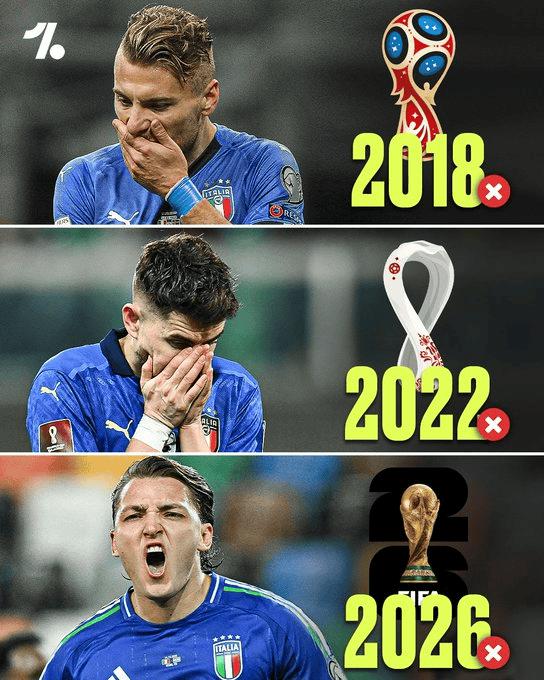
Italy miss out on the World Cup for a third straight time—players break down in tears, pre-match celebrations backfire, and Huang Jianxiang’s sharp critique sparks debate.
On April 1, Italy lost 1–4 on penalties to Bosnia and Herzegovina, missing the World Cup for a third...

Christopher Downs unexpectedly shared joyful news—he’s a father again! Posting a heartwarming photo of himself holding a newborn, he lovingly referred to the baby as his “second little angel.” However, the identity of the child’s mother remains undisclosed, sparking curiosity and speculation online.
(Taipei, April 2) Canadian actor Christopher Downs, 54, has once again found himself at the center o...