World Cup 48-Team Population Snapshot: USA Takes the Lead, Curaçao Makes History, Top 5 Most Populous Nations Nearly Eliminated
On April 1 (Beijing time), Iraq’s 2–1 victory over Bolivia officially completed the lineup for the 2...
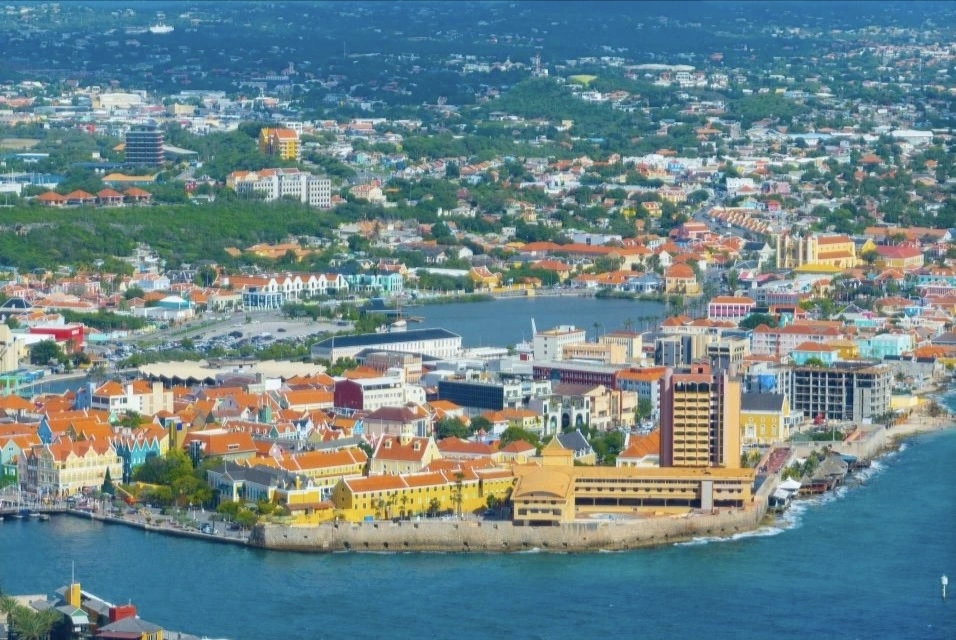
On April 1 (Beijing time), Iraq’s 2–1 victory over Bolivia officially completed the lineup for the 2026 FIFA World Cup, confirming all 48 participating teams. The result marks not only the end of the qualification phase, but also the beginning of a new era as the tournament expands to 48 teams for the first time.
This expanded edition introduces an unprecedented level of diversity — and when viewed through the lens of population, the contrasts are striking.
As one of the host nations, United States tops the list with approximately 342 million people. Among the world’s five most populous countries, the U.S. stands as the only one to qualify for this World Cup.
Close behind is football powerhouse Brazil with around 216 million people, while fellow host Mexico ranks third at roughly 129 million. These nations not only represent massive population bases, but are also expected to play key roles in the tournament — particularly the U.S. and Mexico, who benefit from home advantage.
In stark contrast, Caribbean nation Curaçao emerges as the smallest participant, with a population of just around 150,000 — over 2,000 times smaller than the United States. This achievement makes Curaçao the smallest nation ever to qualify for a World Cup, and one of the most inspiring stories of the qualifiers.
From global giants to tiny island nations, the 48-team lineup highlights the extraordinary inclusiveness of football.
At the World Cup, success is not dictated by size or population. Whether it’s a traditional powerhouse or a debutant from a small nation, every team steps onto the same stage with equal opportunity — a contrast and fairness that define why the World Cup remains the world’s most captivating sporting spectacle.

The Matcha You Know from Japan? It Actually Comes from China
This summer’s food delivery wars were blazing hot — and so was the milk tea craze. Among the rainbow...

iPhone 17 Pro Demo Units Already Showing Scuffs: Hard to Watch
This morning at 8 a.m., Apple officially launched the iPhone 17 series, with offline stores showcasi...

Even a 1-Nanosecond Time Error Could Disrupt Calls and Internet Access — State Media “Yuyuantantian” Reveals Why the U.S. Targeted China’s Time Service Center
IT Home reported on October 19 that according to the official WeChat account of China’s Ministry of ...

Beard Turned White! Former Barcelona Star Ages Rapidly at 38: Only Two and a Half Years as a Coach, Yet Looks Completely Drained
Since retiring and stepping into coaching, Arda Turan seems to have been hit by a fast-forward butto...

World Cup 2026: Top 10 Favorites Revealed — Spain Leads the Race, France Close Behind, Argentina Only 4th, Brazil Falls to 7th
The excitement is building as the 2026 World Cup draw took place at 1 a.m. (Beijing time) on Decembe...

Tavia Yeung praised for mother role in Guardians of Integrity, breaks away from old tough persona.
(Hong Kong, Dec 30) The China–Hong Kong co-produced web drama Guardians of Integrity—starring Jordan...

Designed to meet new demands, Chinese robot vacuum cleaners roll out a range of new features.
(Las Vegas / Beijing, Jan 7) Roborock, the Beijing-based robot vacuum maker, unveiled a concept devi...

China’s men’s national football team remains ranked 93rd in the world.
(Geneva, Jan 20) FIFA released its latest men’s world rankings on Monday, with China staying in 93rd...

League of Legends to End Windows 7 Support
Riot Games announced that League of Legends will officially end support for Windows ...
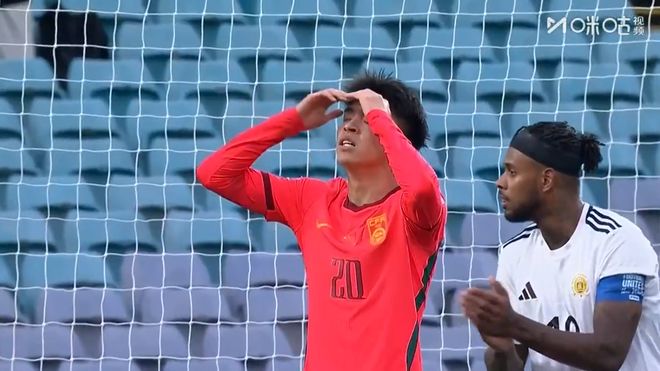
The “African Lions” are valued at 16 times that of China’s national team! Shao Jiayi appears to hint at a defensive setup, prompting fans to worry: just avoid another heavy defeat.
Is China going to fight—or simply survive? Facing the Cameroon national team, the China national tea...
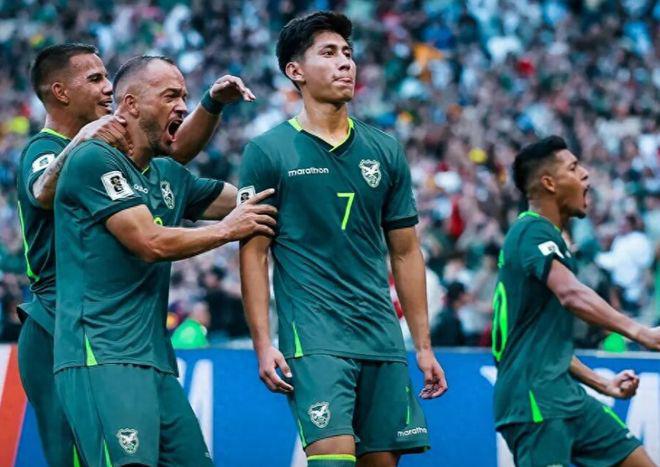
1–0 dramatic winner! A nation of 100 million erupts in celebration, qualifying for the World Cup for the second time after a 52-year wait
On April 1, the DR Congo national football team defeated the Jamaica national football team 1–0 afte...

World No. 2 crashes out in last 16 — Mark Allen beats “Jiong Ge” 13–9 to book World Championship quarterfinal spot
On April 25, the Round of 16 at the World Snooker Championship continued, with Mark Allen facing Kyr...