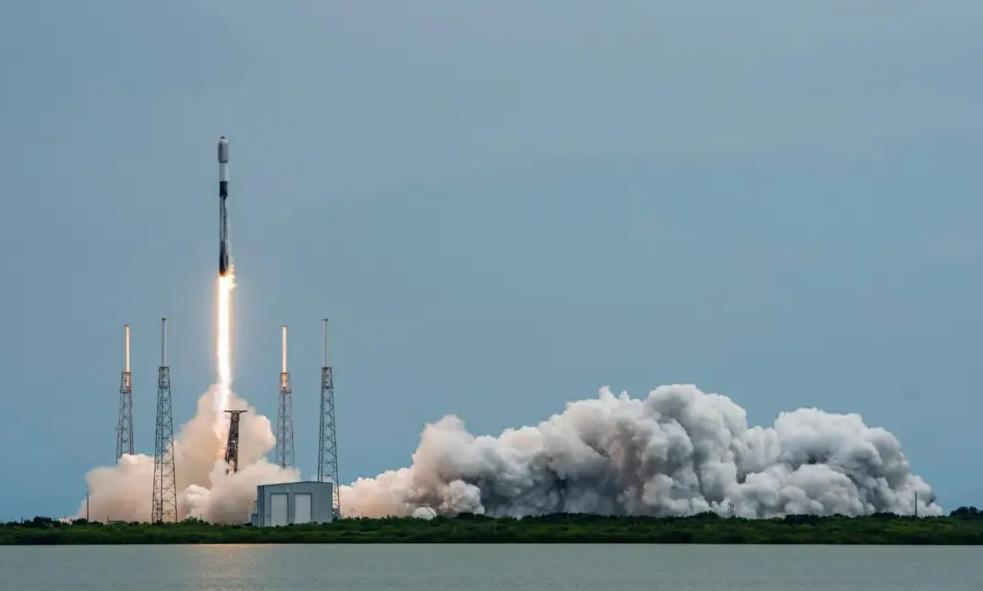
SpaceX is pressing ahead with its dream of landing on Mars, planning the third test flight of its Starship rocket on the evening of May 28. The first two tests ended in failure, causing disruptions to air traffic. The Starship project is seen as a key pillar for human deep-space exploration and even military global transport. If successful, it could reduce launch costs to just one-tenth of traditional rockets. Despite the challenges, Elon Musk remains committed to achieving a Mars mission by 2026, though experts widely believe at least 12 full-scale tests will be needed to secure crewed flight certification.
SpaceX is mobilizing core resources to speed up Starship development, aiming for a 2026 Mars mission. However, the first two test flights ended in explosions, disrupting air traffic in Florida and the Caribbean. The third test flight is imminent, focusing on improvements to the fuel delivery system and thermal shield. The Starship has also attracted military interest for intercontinental transport of strategic supplies, highlighting its dual-use potential. Still, to truly achieve crewed missions, Starship must overcome numerous technical hurdles, including at least 12 full tests and in-orbit refueling validation. This race against time will shape the future of human space exploration and the broader space economy.
According to The Wall Street Journal, Elon Musk’s SpaceX is intensifying efforts to develop its 122-meter reusable “Starship” rocket, aiming for a Mars landing by 2026. Many former Dragon spacecraft team members have been reassigned to the Starship project, focusing on overcoming its technical bottlenecks.
Yet Starship’s development has been rocky. This year, both test flights ended in explosions, scattering debris and disrupting air traffic in Florida and the Caribbean. SpaceX engineer Shana Diez admitted on social media that the “Point-to-point” propulsion system’s stability is particularly problematic, directly affecting launch success rates.
In response to these challenges, SpaceX plans to conduct its third test flight on May 28. The focus this time is on improving the fuel delivery system and thermal shield to boost flight stability.
The Starship project isn’t just about civilian space transportation; the US military is also exploring its potential for rapid intercontinental delivery of strategic assets. The “Starfall” program has already integrated Starship into military logistics, underscoring its dual-use value but also raising concerns about technology misuse.
SpaceX is taking a dual approach: continuing to dominate commercial launches with Falcon 9 and Dragon while focusing resources on overcoming Starship’s technical and cost barriers. Analysts point out that if Starship passes testing, its launch costs could drop to just one-tenth of traditional rockets—potentially transforming the economics of space.
Even though Musk remains confident, industry experts believe that even with a successful third test flight, Starship will need at least 12 full tests to secure crewed certification, and in-orbit refueling—crucial for Mars missions—has yet to be tested in space. This race against time isn’t just about humanity’s deep-space dreams—it’s also about whether SpaceX can establish a lunar base by 2030 and chart a bold new course for the future of the cosmos.