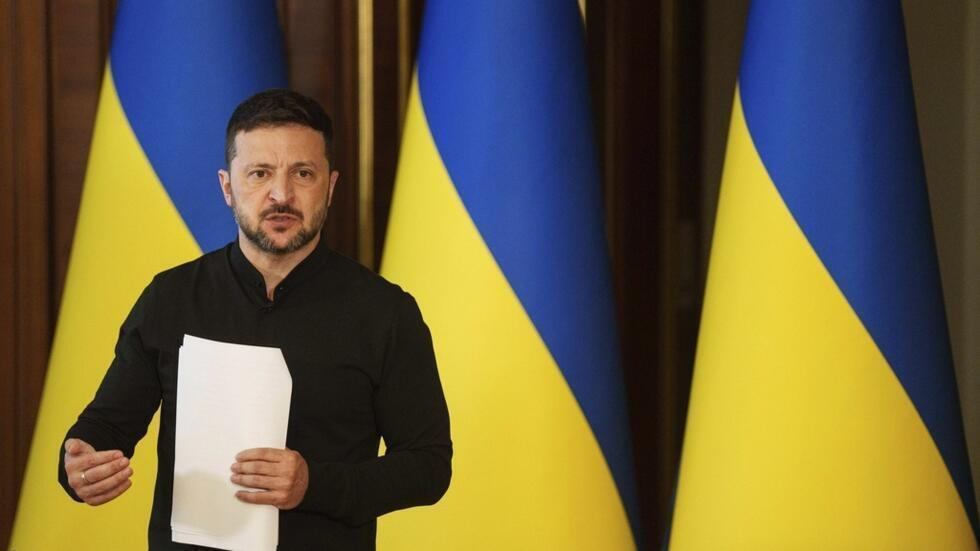
[Kyiv] On May 13 local time, Ukrainian President Volodymyr Zelensky reiterated in a media interview that he is willing to hold direct peace talks with Russian President Vladimir Putin—if Putin is prepared to attend talks in Turkey.
Zelensky stated clearly that if such a meeting were to happen, the top priorities would be a comprehensive ceasefire and the exchange of prisoners of war. He emphasized that this would not only represent a chance to free Ukrainian soldiers but could also mark a turning point in ending the war.
When asked how long the conflict might last, Zelensky admitted he didn’t know: “Nobody knows how long this will last, but it won’t be ten years. Ukraine cannot survive that long. This war is costly for everyone — not only for our friends but also for our enemies.”
Earlier, President Putin had proposed resuming direct talks with Ukraine in Istanbul on May 15 without preconditions. Zelensky has expressed willingness to attend, with a focus on humanitarian and ceasefire issues.
Analysis:
- Zelensky Signals Willingness to Prioritize Humanitarian Dialogue:
His readiness to meet Putin and focus on POW exchange and ceasefire underscores Ukraine’s strategic pivot toward diplomacy through human-centered issues. - Ceasefire as a Litmus Test for Meaningful Talks:
A comprehensive ceasefire is the cornerstone for further diplomacy. Without Russian cooperation, Ukraine risks failed talks and potential domestic backlash. - Wartime Strain Reflected in Zelensky’s Tone:
Zelensky’s remark that “Ukraine cannot survive ten years” reflects deep concerns over prolonged warfare and growing dependency on external support. - Putin’s Participation Will Shape the Diplomatic Landscape:
Whether Putin attends the Istanbul meeting will define its level and impact. A no-show or delegation substitution could reduce the process to technical-level engagement. - International Mediation Needs Reinforcement:
Given the repeated failure of past ceasefires, effective third-party mechanisms are essential to ensure that even high-level talks yield lasting outcomes.