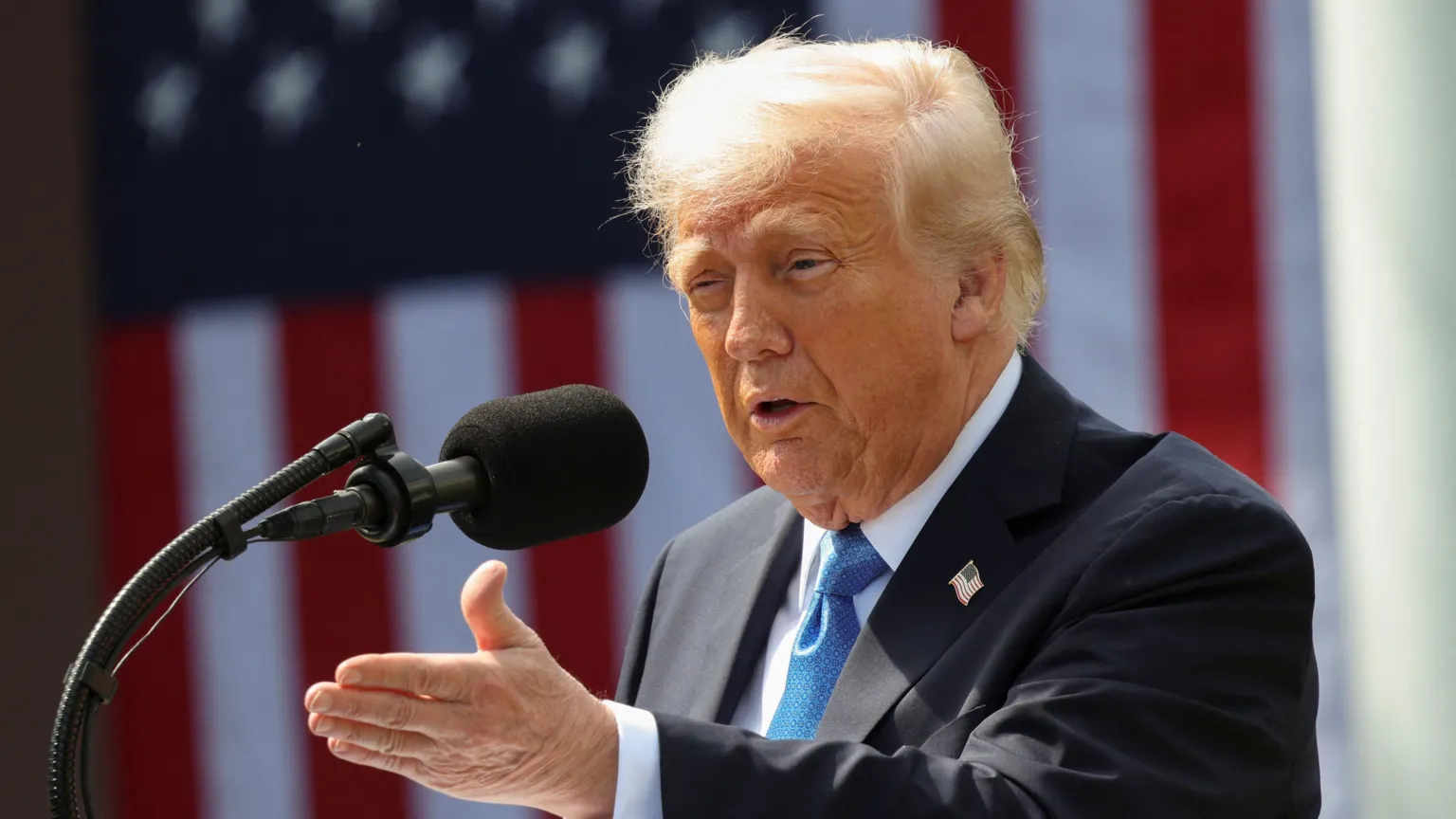
Former U.S. President Donald Trump recently stated that after a two-hour phone call with Russian President Vladimir Putin, Russia and Ukraine will “immediately” begin negotiations to achieve a ceasefire and end the war. Trump described the conversation as “very good,” but emphasized that the conditions for peace would need to be negotiated between the two parties.
Despite Trump’s optimistic signals, an actual ceasefire or peace agreement still appears far off. Putin expressed willingness to cooperate with Ukraine on a “memorandum for a possible future peace agreement,” while Ukrainian President Volodymyr Zelensky called it a “defining moment” and urged the U.S. to remain engaged in the talks. Zelensky reiterated Ukraine’s call for a “full and unconditional ceasefire” and warned that if Russia does not cooperate, sanctions must be strengthened. He also stressed that any decisions about Ukraine must include Ukrainian participation.
Trump posted on social media that he had informed Zelensky about the immediate start of ceasefire talks and, more importantly, ending the war, adding that the negotiation details can only be known and decided by the two parties. Zelensky emphasized that the negotiation process must include representatives from the U.S. and Europe and that the U.S. should maintain its involvement in the peace process.
The White House later stated that the U.S. will not step back from its mediation role, but Trump hinted at a “red line” regarding how long he will continue pushing both sides to negotiate, implying a possible withdrawal in the future. Recently, Trump has expressed frustration over the slow progress of talks and warned that without substantial developments, the U.S. may cease its involvement.
Currently, the Russia-Ukraine conflict continues. Although both sides have declared multiple temporary ceasefires, none have led to lasting peace, with mutual accusations of violations. The international community is closely watching the negotiation process, hoping for a durable diplomatic solution.
Analysis:
- Complexity and Uncertainty in Peace Talks:
Despite signals toward a ceasefire, deep disagreements over terms and duration make a short-term peace agreement difficult. - Lack of Trust and Conflicting Interests Hampering Negotiations:
Ukraine insists on a full and unconditional ceasefire and remains skeptical of Russia’s promises. The U.S. and Europe want to maintain influence, but mediation faces a trust deficit. - International Community’s High Expectations Amid Challenges:
Leaders in the U.S., Europe, and the Pope actively promote peace talks, proposing venues like the Vatican to ease tensions. - Harsh Realities of War and the Need for Continued Effort:
Despite intentions for ceasefire, fighting persists, civilian casualties mount, and previous temporary ceasefires have failed, complicating peace efforts.
In summary, Russia-Ukraine peace negotiations remain in early and challenging stages. The success of future talks depends on the willingness of all parties to compromise, build trust, and pursue substantive dialogue.