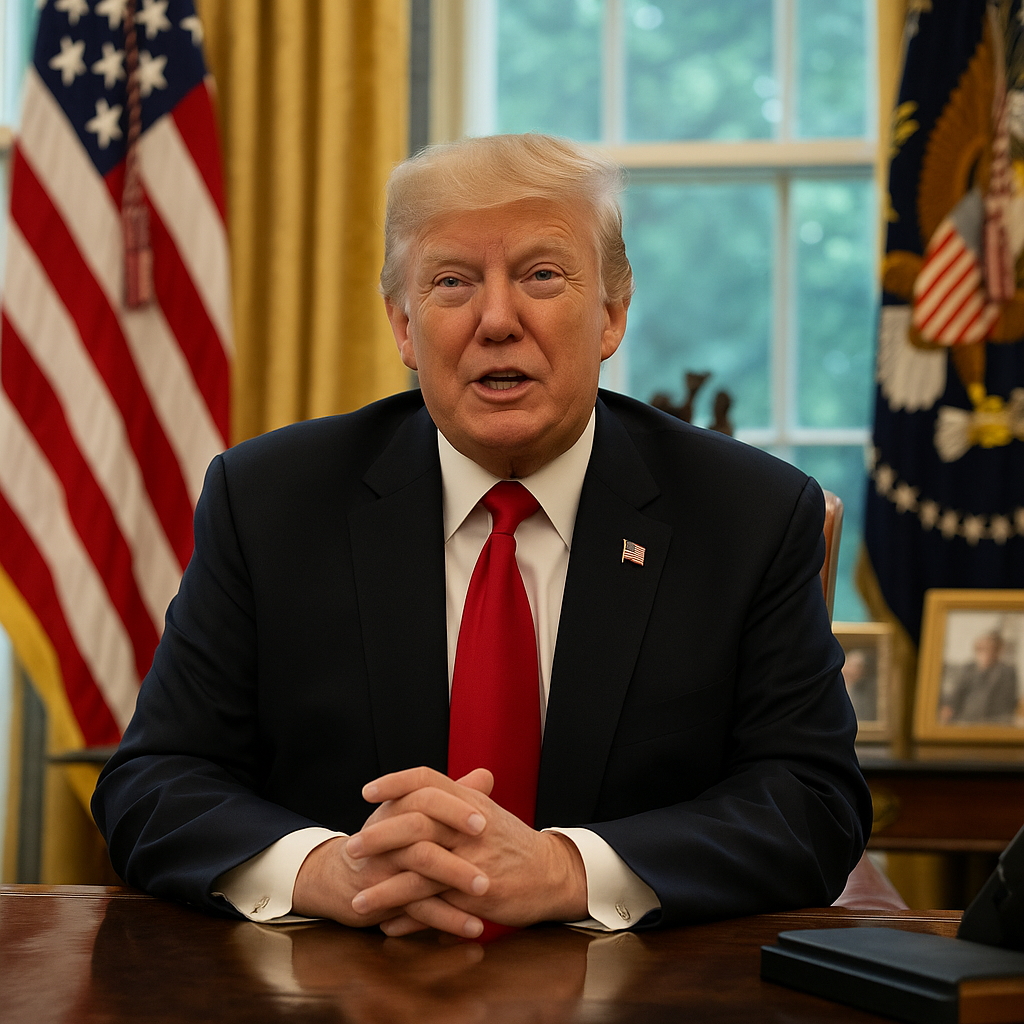
On June 10, US President Donald Trump posted on Truth Social declaring a US-China trade deal is “done,” awaiting only final approval from himself and Chinese President Xi Jinping. The agreement includes two major components: the resumption of China’s rare earth exports to the US and the reinstatement of student visas for Chinese nationals studying at American universities.
This outcome follows two days of high-level negotiations in London, where US Commerce Secretary Howard Lutnick confirmed that a framework was reached to lift restrictions on China’s rare earth mineral and magnet exports.
Rare earths are vital to technologies ranging from smartphones to EVs and AI chips. Previously, the US criticized China for stalling on export licenses, while China condemned the US for blocking chip-related technology and canceling student visas.
Trump stated: “China will supply all required magnets and rare earths upfront. In return, we’ll honor our commitment, including allowing Chinese students to study here—which I’ve always supported.”
Context: From Tariff War to Temporary Truce
Earlier this year, the US imposed tariffs up to 145% on Chinese goods, prompting retaliatory hikes from China. A May truce in Geneva led both sides to reduce tariffs (US: 30%, China: 10%) and begin a 90-day negotiation window. However, accusations of non-tariff violations soon emerged from both parties.
Analysis: Strategic Reset or Surface-Level Exchange?
This new “deal” appears more as a formal confirmation of the Geneva consensus than a breakthrough.
- Rare Earths vs. Students = Symbolic Trade:
Rare earths represent tech dominance, while student exchanges reflect soft power. The deal is more symbolic than structural—semiconductor bans and export controls remain untouched. - Trump’s Election Strategy:
The announcement plays well domestically, showing “tough but fair” diplomacy amid his re-election push. - China’s Reserved Implementation:
While Beijing confirmed approvals for some exports, it withheld detailed commitments, signaling caution and leverage retention.
Conclusion:
This trade “reset” offers short-term relief, but deeper tensions remain. Unless core tech issues are addressed, the decoupling trajectory is far from over.