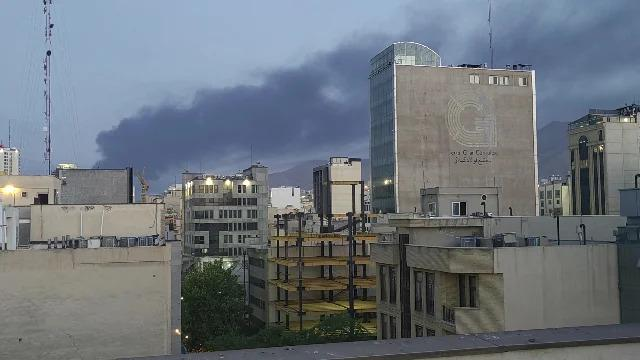
Tensions in Iran’s capital, Tehran, have reached a boiling point. On June 16, Israeli Prime Minister Benjamin Netanyahu announced that the Israeli Air Force had achieved air superiority over Tehran, claiming this “changed the course of the entire battle.” Soon after, former U.S. President Donald Trump warned on social media: “Everyone must evacuate Tehran immediately!”—raising fears of an imminent, wider conflict.
Starting June 15, thousands of Tehran residents fled the city by car, causing gridlock on major highways. That afternoon, Iran’s state broadcaster was attacked mid-live broadcast, its anchor forced to flee as the studio filled with smoke. Later footage revealed significant structural damage to the TV station building.
Behind the Warfare: Pushing Iran to the Negotiating Table?
Israel insists its strikes target Iran’s nuclear facilities, but many observers believe the real objective may be to pressure Iran into new negotiations. Middle East expert Han Jianwei told media that both the U.S. and Israel might be leveraging limited warfare to force Tehran back to the nuclear negotiation table.
Adding to this theory, Chinese state media reported that Trump had rejected a proposed Israeli operation to assassinate Iran’s Supreme Leader Ayatollah Khamenei, signaling that Washington wants to contain the conflict. Since June 13, Israeli forces claim to have destroyed over 120 Iranian missile sites.
In response, Iran’s Revolutionary Guard launched new drone and missile attacks on the night of June 16. Both sides appear prepared for escalation.
Signs of Diplomacy Amid the Chaos
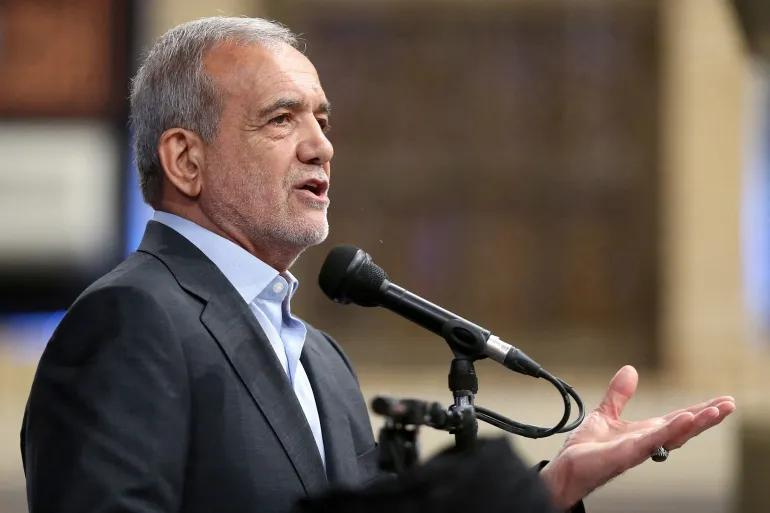
While Iran’s Revolutionary Guard vows readiness for “long-term total war,” Iranian Foreign Minister Araghchi hinted at a possible diplomatic off-ramp: “If Israel stops its aggression, we will stop our response.”
At the G7 summit, Trump stated that communications with Iran are ongoing and suggested direct talks might soon occur. According to reports, Iran told Arab intermediaries that if the U.S. stays out of Israeli attacks, Tehran is open to negotiations. Tehran also passed messages to Israel through mediators, stressing that de-escalation serves both sides’ interests.
The White House is reportedly weighing whether to offer “bunker-buster” bombs to Israel as a negotiation lever — crucial for striking Iran’s deeply buried nuclear sites.
Conclusion: Who Moves Next?
The situation remains highly volatile. All three parties — Iran, Israel, and the U.S. — appear interested in talks, yet their conditions vary widely. Iran faces domestic legitimacy risks if it yields too soon; Israel must balance military gains with internal pressure; and the U.S., amid election dynamics, aims to avoid a full-scale regional war.
While smoke still rises over Tehran, diplomatic avenues are cautiously opening. This may become a turning point — if the firepower can be converted into political leverage.