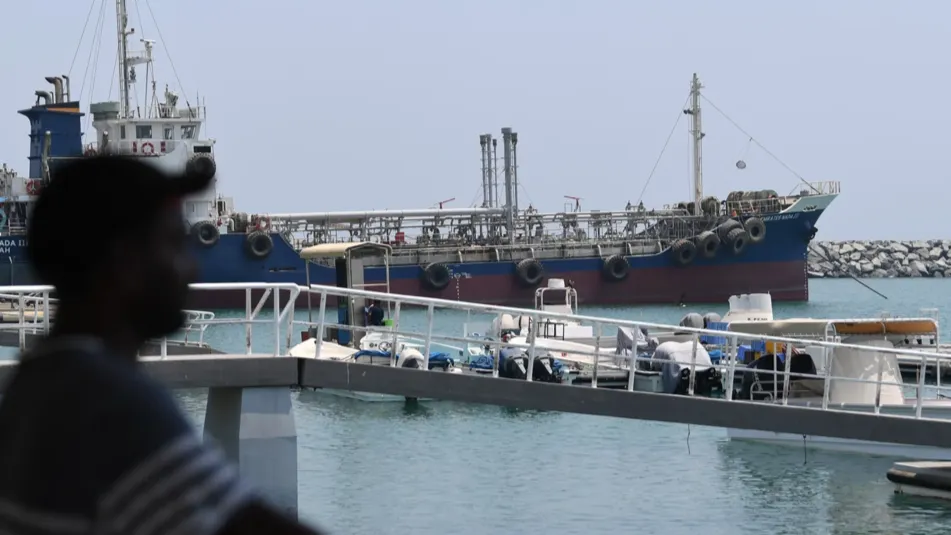
Following recent U.S. airstrikes on Iran's nuclear facilities, Tehran has hinted at the possibility of closing the Strait of Hormuz—a maritime chokepoint vital to global oil flows. Responsible for about 25% of seaborne crude and over a fifth of LNG shipments, any disruption could trigger a spike in oil prices and global economic instability.
Though Iran has never fully blocked the Strait, it has repeatedly harassed vessels to exert political pressure. From seizing ships linked to Israel to retaliatory actions against U.S. sanctions, Iran has built a history of maritime posturing.
During past tensions, the U.S. responded by escorting tankers and forming multinational security coalitions, such as the International Maritime Security Construct. While global attention has partially shifted to Red Sea threats from Houthi militants, Hormuz remains a strategic flashpoint.
Countries most dependent on the Strait include Iraq, Qatar, and Kuwait, with little alternative export routes. Saudi Arabia and the UAE have pipeline infrastructure allowing some crude to bypass the Strait.
As tensions rise, the Strait of Hormuz stands not just as an oil conduit—but as a barometer of geopolitical risk.