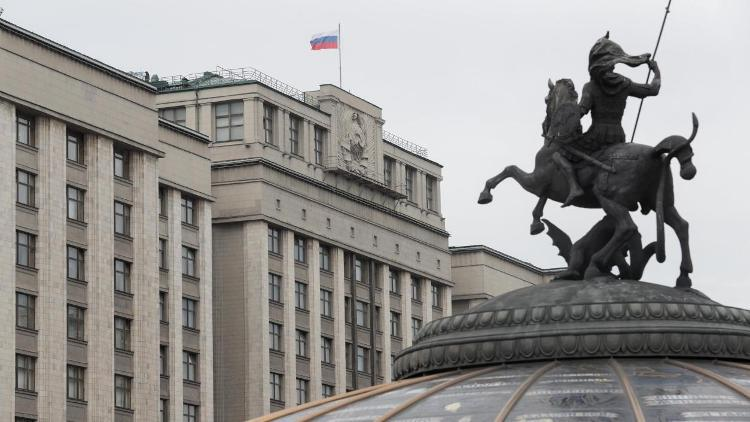
I. Hardline Statements from Russian MPs
Slutsky: “Attacking Kaliningrad Is Attacking Russia”
Leonid Slutsky, chair of the State Duma’s International Affairs Committee, stated in an interview that any NATO aggression against Kaliningrad would be tantamount to an attack on Russia itself and would prompt “all countermeasures, including nuclear options.” He criticized U.S. officials for making “irresponsible threats,” warning that an assault on the exclave “would spark World War III and metamorphose into a global confrontation with no winners,” and stressed that NATO currently poses the greatest threat to international security.
Muratov: Threat Equals Declaration of War, Response Will Be Harsher
Andrey Muratov, a member of the Federation Council’s Defense and Security Committee, likewise declared that any threat to Kaliningrad is effectively a declaration of war. He added that Russia’s reaction to a strike on its territory would be “far tougher” than its military operations in Ukraine.
II. U.S. Senior Officer’s Remarks
On July 16, at the Association of the U.S. Army’s first European Land Forces Conference in Wiesbaden, Germany, a senior U.S. officer claimed that Kaliningrad—encircled by Poland and Lithuania—is now within NATO’s reach to be “erased from the map faster than ever.” These comments were seen in Moscow as a direct provocation, triggering the nuclear deterrence warnings from Russian officials.
III. Kaliningrad’s Geostrategic Importance
- Exclave Status: Kaliningrad is detached from mainland Russia, bordering Poland to the south, Lithuania to the northeast and east, and the Baltic Sea to the west—making it a frontline outpost in the standoff with NATO.
- Military Deployments: Moscow has stationed missiles, air defense systems, and naval assets there to counter NATO’s Baltic states and secure its western maritime approaches.
- Political Symbol: The exclave serves not only as a security buffer but also as a strategic warning to the EU and NATO.
IV. Risk Assessment & Outlook
- Escalation Risk
By linking any attack on Kaliningrad to nuclear retaliation, Russia signals that a single miscalculation could trigger a strategic-level confrontation, pushing European security toward a zero-sum gamble. - Deterrence Balance
NATO and Russia maintain a fragile balance of nuclear deterrence; when rhetoric escalates into threats of action, the margin for error shrinks dramatically. - Diplomatic Path
The current standoff calls for renewed high-level dialogue and transparency. NATO and Russia should revisit existing security frameworks and resume consultations to avoid military provocation.
Kaliningrad has once again become the flashpoint of Russia–NATO tensions. Moscow’s warnings that a nuclear response is “not ruled out” reflect a bottom-line defense posture, not mere rhetoric. The future of European stability hinges on restraint and dialogue to avert a conflict that would leave no victors.