💰 $350 Billion Korean Investment, U.S.-Controlled Projects
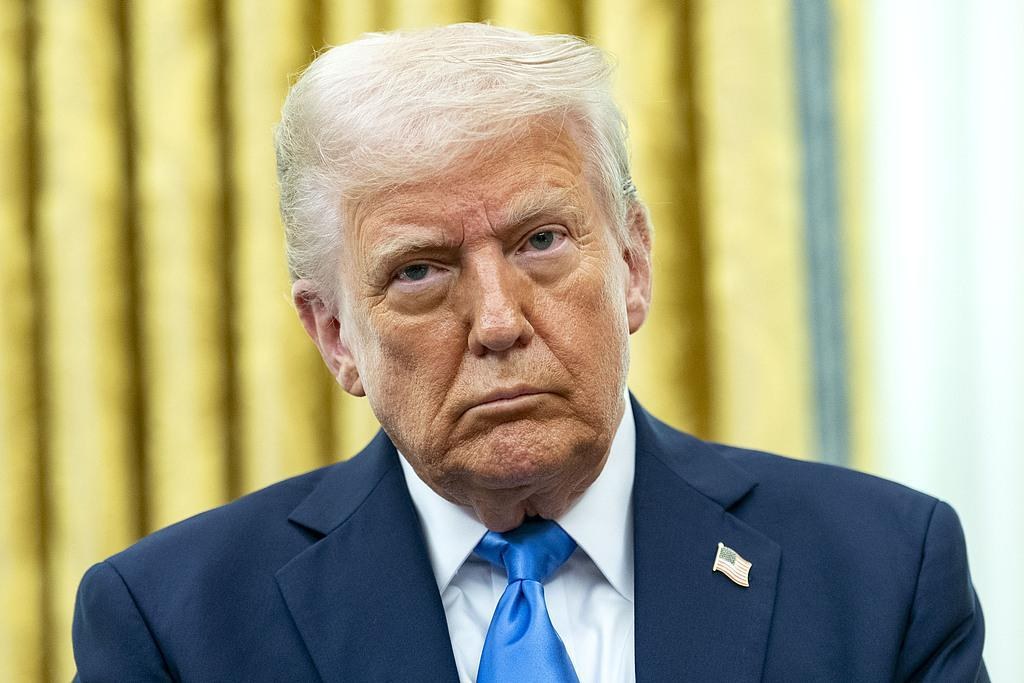
In a statement, Trump said that South Korea has agreed to provide $350 billion in funding to support U.S.-controlled investment projects, which are expected to span infrastructure, manufacturing, and energy sectors within the United States.
Additionally, South Korea will purchase $100 billion worth of liquefied natural gas (LNG) or other energy products from the U.S., enhancing bilateral energy cooperation.
The agreement also includes a major reinvestment clause, under which South Korea will invest a significant additional amount within its own economy. The exact figure will be announced during President Lee Jae-myung’s upcoming state visit to Washington in two weeks.
🔁 U.S. Tariffs Imposed, South Korea Fully Opens Its Market
Under the terms of the deal, the U.S. will impose a flat 15% tariff on all Korean imports, including automobiles, trucks, electronics, and industrial goods.
Meanwhile, South Korea has agreed to fully open its domestic market to American exports, including cars, trucks, and agricultural products, with zero tariffs imposed on U.S. goods.
Trump described the deal as “a major win for American industry and agriculture,” and hailed it as a “fair, reciprocal, and America-first trade model.”
🧾 Conclusion: Strategic Deal or Economic Pressure?
This agreement is viewed as another major step in Trump’s broader effort to reshape global trade dynamics. Analysts note that the move strengthens the U.S. negotiating position ahead of the upcoming U.S.–Korea summit, while also delivering a domestic political message about assertive economic diplomacy.
However, critics have raised concerns over the sustainability and fairness of the deal, particularly regarding the financial burden on South Korea and transparency of U.S.-controlled investments.