On July 31, 2025, US President Donald Trump signed an executive order imposing “reciprocal tariffs” on multiple countries, with Switzerland facing a steep 39% rate effective August 7. The decision caused an uproar in Switzerland, particularly as new revelations emerged about the failed last-minute negotiations behind the scenes.
Switzerland’s Proposal: Investment for Lower Tariffs
According to the Financial Times on August 3, Swiss officials believed they had secured a provisional deal with the US: in exchange for nearly $150 billion in Swiss investments, the US would impose only a 10% tariff, similar to its agreement with the UK. Regular communication was maintained with US Trade Representative Greer, and Swiss officials were confident the proposal was ready for Trump’s approval by early July.
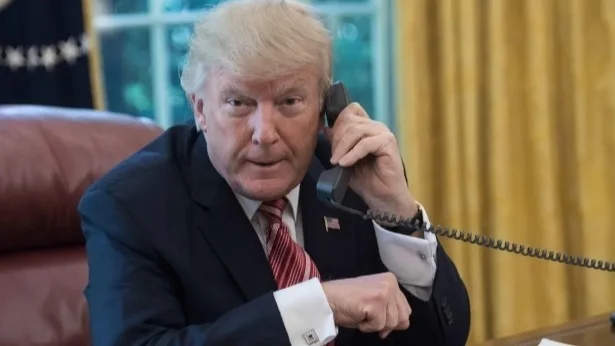
However, the tide turned during a 30-minute call on July 31 between Swiss Federal President Karin Keller-Sutter and Trump—expected to seal the agreement, it instead collapsed dramatically.
Trump Refuses: Focused on Trade Surplus, Not Investment
Multiple sources described the conversation as “disastrous.” Trump dismissed the 10% offer from the outset and fixated on Switzerland’s $39 billion trade surplus with the US. “He kept asking what else this very wealthy Alpine country could offer America,” a source told the FT. President Keller-Sutter was reportedly left speechless.
The call blindsided Swiss negotiators, who had received encouraging signals from senior US officials. Local media called it Keller-Sutter’s “worst diplomatic defeat,” with Blick likening it to Switzerland’s defeat at the Battle of Marignano in 1515.
National Shock as Tariff Hits on National Day Eve
The shock came on the eve of Swiss National Day (August 1), turning a day of celebration into one of dismay. Industry groups expressed alarm at the 39% tariff and urged the government to seek a resolution before the August 7 implementation deadline.
Some analysts believe the one-week window suggests Trump might still consider negotiations. However, others argue Switzerland lacks the leverage to meet US demands.
Swiss Side Caught Off Guard by Policy Reversal
Swiss negotiators were reportedly stunned by the sudden U-turn, having received encouraging messages from Washington in prior weeks. At one point, officials believed Switzerland could be among the first countries to sign a new trade agreement with the US—an expectation that now lies in ruins.
Conclusion:
The 39% tariff not only disrupts Swiss trade plans but underscores a broader truth: under Trump’s tariff regime, no ally is guaranteed special treatment. In the week ahead, Switzerland faces a critical test of its diplomatic agility—while the rest of the world watches closely.